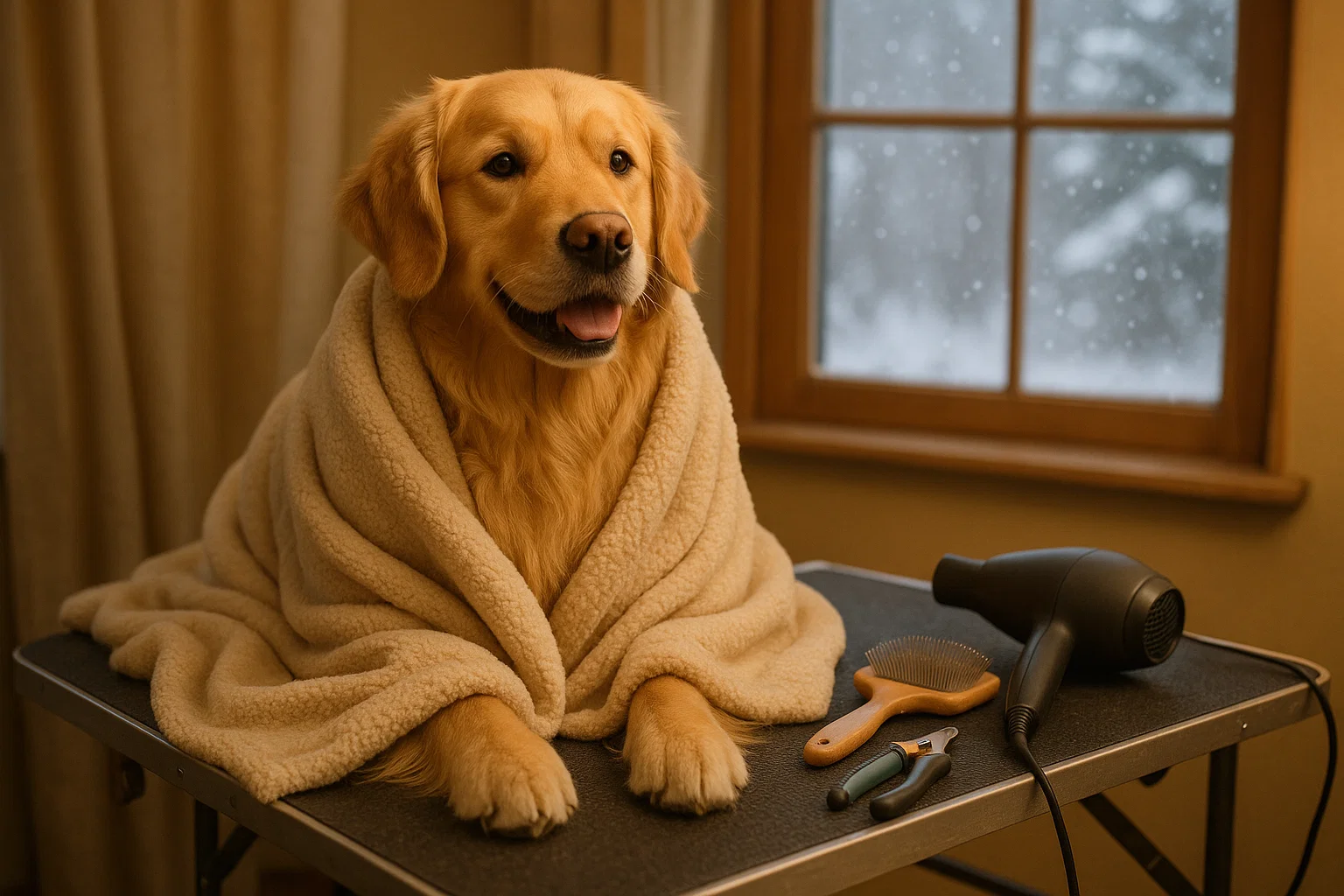

5 Winter Grooming Essentials Every Dog Owner Must Have This Season
Ever watched your dog shiver after a bath or struggle with dry, flaky skin as temperatures drop? You’re not alone. Winter brings unique challenges that can affect your pup’s comfort, coat health, and overall wellbeing. Cold weather doesn’t just mean colder nights; it means adjusting how we care for, groom, and protect our furry companions.
At PupzCorner, we combine expert advice with carefully curated, vet-approved products to help you navigate seasonal pet care with confidence. Whether you’re dealing with a restless dog, matted fur, or looking for dog grooming essentials, we’re here to guide you every step of the way.
In this guide, you’ll discover essential dog grooming products for winter, practical coat care tips, must-have comfort items, and expert-backed strategies to keep your dog healthy, warm, and happy throughout the coldest months.
Why Dog Grooming Essentials Are Critical for Your Pet’s Health
Winter grooming isn’t just about aesthetics. It’s a vital part of your dog’s health routine. Cold weather creates specific challenges that make regular grooming and proper care more important than ever.
The Hidden Dangers of Winter for Dogs
Dry skin and coat damage are among the most common winter problems. Indoor heating strips moisture from the air, leaving your dog’s skin itchy and their coat dull. Joint stiffness also increases in colder temperatures, especially in older dogs or breeds prone to arthritis.
Wet fur after grooming can quickly lead to chills or even hypothermia if not dried thoroughly. Dogs also spend more time indoors during winter, which means less natural exercise, potential weight gain, and increased boredom-related behaviors like excessive chewing or scratching.
How Winter Affects Different Dog Breeds
Short-haired breeds and small dogs lose body heat faster and may need dog winter coats or jackets for outdoor walks. Large breeds with thick undercoats require frequent brushing to prevent matting. Even dogs with natural winter protection benefit from seasonal grooming adjustments, including paw care and moisture-rich coat treatments.
According to veterinary experts at the American Kennel Club, maintaining a consistent grooming routine with dog grooming essentials helps prevent skin infections, improves circulation, and strengthens the bond between you and your pet.
Provide Joint Support with an Orthopaedic Dog Bed
One of the most overlooked aspects of winter dog care is quality sleep and rest. Cold floors and thin bedding can worsen joint pain, especially in medium to large breeds or senior dogs.
Why Joint Support Matters in Winter
Cold weather can trigger or worsen arthritis and hip dysplasia symptoms. Dogs who sleep on hard surfaces wake up stiff, reluctant to move, and less enthusiastic about grooming sessions. An orthopaedic dog bed with memory foam provides the cushioning and warmth needed to support aging joints and promote restorative sleep.
The Orthopaedic Dog Bed with Memory Foam offers medical-grade memory foam, a non-slip base for hardwood floors, and a washable cover. Perfect for post-grooming cleanup. Within days of use, many pet owners notice improved mobility, better mood, and less resistance during grooming routines.
Pro tip: Place the bed in a warm, draft-free area away from windows and doors to maximize comfort during cold nights.

Keep Your Dog Warm with a Calming Plush Blanket
After every bath or grooming session, your dog needs time to warm up and relax. Even with thorough drying, winter air can make freshly groomed dogs uncomfortable and anxious.
The Role of Warmth in Post-Grooming Care
Coral fleece blankets provide instant warmth without being too heavy. They’re especially useful for dogs who experience grooming anxiety or shiver after baths. Wrapping your dog in a soft, familiar blanket creates a sense of security and helps them associate grooming with comfort rather than stress.
A quality calming plush blanket is machine washable, lightweight, and suitable for dogs of all sizes. It works as both a winter dog accessory and a calming tool during stressful grooming moments like nail trimming or ear cleaning.
When to Use a Dog Winter Coat Instead
For outdoor activities, a blanket won’t suffice. If your dog spends time outside in freezing temperatures, consider investing in a dog winter jacket or dog coat for winter walks. Breeds like Chihuahuas, Greyhounds, and French Bulldogs benefit greatly from insulated winter outerwear for dogs, especially during morning or evening potty breaks.
Small dog winter coats should fit snugly without restricting movement, while best dog jackets for winter often include waterproof materials and reflective strips for safety.

Master Winter Grooming with Professional Tools
Proper grooming tools make all the difference during winter months. The right equipment helps you manage shedding, prevent matting, and keep your dog’s coat healthy despite harsh weather conditions.
Essential Grooming Tools for Winter Care
Winter undercoat shedding requires specialized tools. A deshedding brush and grooming tool can reduce shedding by up to 95%, removing dead fur before it mats or spreads throughout your home. Regular use improves coat appearance and reduces the frequency of full baths during cold months.
For comprehensive grooming sessions, a complete pet grooming kit includes washing gloves, bath brushes, and shampoo applicators. These tools make bathing faster and more efficient, reducing the time your dog stays wet in cold weather.
Advanced Grooming Solutions
For pet owners serious about winter coat maintenance, investing in a professional dog grooming vacuum eliminates mess while grooming. These systems include clippers, nail grinders, and deshedding attachments that capture loose fur immediately, keeping your home clean during increased indoor grooming sessions.
Expert insight: Veterinarians recommend brushing dogs with thick coats at least three times per week during winter to prevent painful matting and improve skin health.
Support Healthy Digestion with a Raised Dog Bowl Stand
Winter often brings changes in eating habits. Some dogs become picky eaters, while others experience digestive discomfort due to reduced activity levels and awkward feeding postures. Pairing this with the right dog grooming essentials ensures your pet’s overall wellness throughout the cold season.
Why Elevated Feeding Matters
Large breeds and senior dogs particularly struggle when eating from floor-level bowls. Bending down repeatedly can strain the neck, shoulders, and back, especially after a grooming session when they’re already tired. Raised dog bowls promote better posture, easier swallowing, and improved digestion.
A quality raised dog bowl stand features adjustable height settings to grow with your dog or accommodate multiple pets. It also keeps food clean from shed fur during brushing sessions, a common problem during winter when undercoats shed more heavily.
Bonus benefit: Elevated bowls reduce the mess around feeding areas, making post-grooming cleanup faster and more hygienic. Combined with other dog grooming essentials, this simple upgrade helps maintain your pup’s comfort, cleanliness, and health all winter long.
Read next: Ello the Sock Thief — a funny PupzCorner tale every dog lover will enjoy.
Essential Winter Grooming Tips for Dog Owners
Beyond must-have products, these expert-backed techniques combined with the right dog grooming essentials will help you master seasonal canine care.
Brushing and Coat Maintenance
Brush your dog’s coat 2-3 times per week during winter to remove dead undercoat and prevent matting. Dogs with thick fur, like Huskies or Golden Retrievers, shed their undercoat seasonally and require extra attention. Regular brushing distributes natural oils, keeping the coat shiny and healthy.
Bathing Best Practices
Limit baths to once a month in winter. Over-bathing strips essential oils that protect skin from dryness. Use lukewarm water, thoroughly dry your dog with towels and a pet-safe dryer, and keep them indoors for at least an hour afterward.
Paw Protection and Care
Cold surfaces, ice, and de-icing chemicals can crack and irritate paw pads. Apply dog-safe paw balm before and after walks. Consider dog boots for winter or winter dog boots for extended outdoor time, especially in areas with heavy snow or salted sidewalks.
Best dog boots for winter should fit snugly, have non-slip soles, and allow natural paw movement. Brands offering dog booties for winter or dog shoes for winter provide various sizes for different breeds.
Nail Trimming and Hygiene
Dogs walk less outside during winter, meaning nails don’t wear down naturally. Trim nails every 3-4 weeks to prevent overgrowth, splitting, and discomfort. Use treats and calming techniques to make the process stress-free.
Winter-Specific Considerations
Can dogs get fleas in the winter? Yes, fleas can survive indoors year-round in heated homes. Continue flea prevention treatments even during cold months. Additionally, watch for dry skin symptoms like excessive scratching, flaking, or redness, and consult your vet if they persist. Maintaining these habits with your winter dog grooming essentials will keep your pup healthy, clean, and comfortable no matter how cold it gets.
Boost Winter Health with Nutritional Supplements
Winter grooming success starts from the inside out. Proper nutrition supports coat health, skin moisture, and immune function during challenging cold months.
Essential Fatty Acids for Coat Health
Omega-3 fish oil supplements promote healthy skin and a shiny coat from within. Wild Alaskan salmon oil provides omega-3, 6, and 9 fatty acids that combat winter dryness, reduce inflammation, and support joint health in cold weather.
Digestive Health During Winter
Reduced activity and dietary changes can upset your dog’s digestive system. Probiotics for dogs support gut health, help manage occasional diarrhea, and strengthen immune response during seasonal transitions. Healthy digestion means better nutrient absorption for coat and skin health.
Choosing the Right Winter Outerwear for Your Dog
Not all dogs need dog winter clothes, but certain breeds and situations require extra protection:
When Your Dog Needs a Winter Coat
- Small breeds under 20 pounds with minimal body fat
- Short-haired dogs like Boxers, Pit Bulls, or Beagles
- Senior dogs with arthritis or reduced mobility
- Puppies with underdeveloped temperature regulation
- Dogs with health conditions affecting circulation
Types of Winter Dog Clothing
Dog jackets for winter come in various styles:
- Insulated coats: Best for extreme cold and snow
- Waterproof shells: Ideal for rainy or slushy conditions
- Fleece vests: Lightweight options for mild winter days
- Full-body suits: Maximum coverage for tiny or hairless breeds
Best winter dog coats feature adjustable straps, reflective strips, and easy-on designs making them one of the most practical dog grooming essentials for the cold season. Dog winter vests work well for active dogs who generate body heat during walks but still need core warmth and protection.
Creating a Complete Dog Grooming Essentials Winter Care Routine
Combining dog grooming essentials with proper winter accessories ensures your dog stays comfortable, healthy, and happy all season long.
| Routine Type | Tasks |
| Daily Winter Care Checklist | • Brush coat to remove debris and prevent matting
• Check paws for ice, cracks, or irritation • Provide fresh water (dehydration happens in winter too) • Offer mental stimulation through toys and training • Monitor for signs of cold stress (shivering, lethargy, anxiety) |
| Weekly Winter Grooming Tasks | • Deep brush undercoat-heavy breeds
• Inspect ears for moisture or infection • Trim nails if needed • Apply paw balm before outdoor activities • Wash bedding and blankets |
| Monthly Winter Maintenance | • Full grooming session (bath, nail trim, ear cleaning)
• Vet check-up if mobility or skin issues arise • Rotate toys to maintain interest • Evaluate winter gear fit as your dog grows or gains weight |

Final Thoughts: Keep Your Dog Happy, Healthy and Groomed This Winter
Winter doesn’t have to be a stressful season for you or your furry companion. With the right combination of dog grooming essentials, comfort products, and expert care techniques, you can transform cold months into a time of bonding, warmth, and trust.
Key takeaways for winter dog care:
- Invest in quality bedding to support joint health and warmth
- Use professional grooming tools to manage seasonal shedding
- Maintain regular brushing schedules to prevent matting and skin issues
- Protect paws with balm or boots during outdoor activities
- Consider winter coats for small, short-haired, or senior dogs
- Support coat and skin health with omega-3 supplements
- Keep indoor enrichment high with chew toys and interactive play
At PupzCorner, we’re dedicated to helping pet owners like you provide the best care possible. Our curated selection of grooming tools, winter essentials, and comfort products are chosen with your dog’s health and happiness in mind.
Your Essential Winter Grooming Products:
Grooming Tools:
- 6-Piece Pet Grooming Kit
- Professional Deshedding Brush
- Complete Grooming Vacuum System
Health Supplements:
- Omega-3 Fish Oil for Healthy Coat
- Probiotics for Digestive Health
Comfort Products:
- Orthopaedic Memory Foam Dog Bed
Explore PupzCorner’s complete winter care collection and give your dog the comfort, protection, and expert care they deserve this season. Shop now and make this winter your dog’s happiest yet.
Frequently Asked Questions About Winter Dog Grooming Essentials
How often should I groom my dog in winter?
Groom your dog every 2-3 weeks during winter to maintain coat health and prevent matting. Dogs with thick undercoats may need more frequent brushing to remove dead fur. Limit baths to once a month to avoid stripping natural oils that protect against dry skin. Using proper deshedding tools can reduce grooming frequency while keeping coats healthy.
Do all dogs need winter coats or jackets?
No, not all dogs require winter outerwear. Small breeds, short-haired dogs, senior pets, and puppies benefit most from dog winter jackets or dog coats for winter. Breeds with thick double coats like Huskies or Malamutes typically don’t need additional clothing. Evaluate your dog’s size, coat type, and cold tolerance before purchasing winter gear.
Can dogs get fleas in the winter?
Yes, dogs can get fleas in winter. While outdoor flea activity decreases in cold weather, fleas thrive indoors in heated homes year-round. Continue using vet-recommended flea prevention treatments throughout winter months. Regular grooming also helps detect fleas early before infestations develop.
What are the best boots for dogs in winter?
The best dog boots for winter should fit securely, have non-slip soles, and protect against ice, snow, and de-icing chemicals. Look for adjustable straps and waterproof materials. Popular options include dog booties for winter that stay on during active play. Measure your dog’s paws carefully and introduce boots gradually for best results.
How do I protect my dog’s paws in winter?
Apply dog-safe paw balm before and after walks to prevent cracking from cold surfaces and chemicals. Wipe paws clean after outdoor time to remove salt and ice melt. Consider winter dog boots for extended exposure to snow and ice. Check paws regularly for cuts, cracks, or irritation, and trim fur between paw pads to prevent ice buildup.