Safe and Durable Dog Bowls Guide for Every Pup
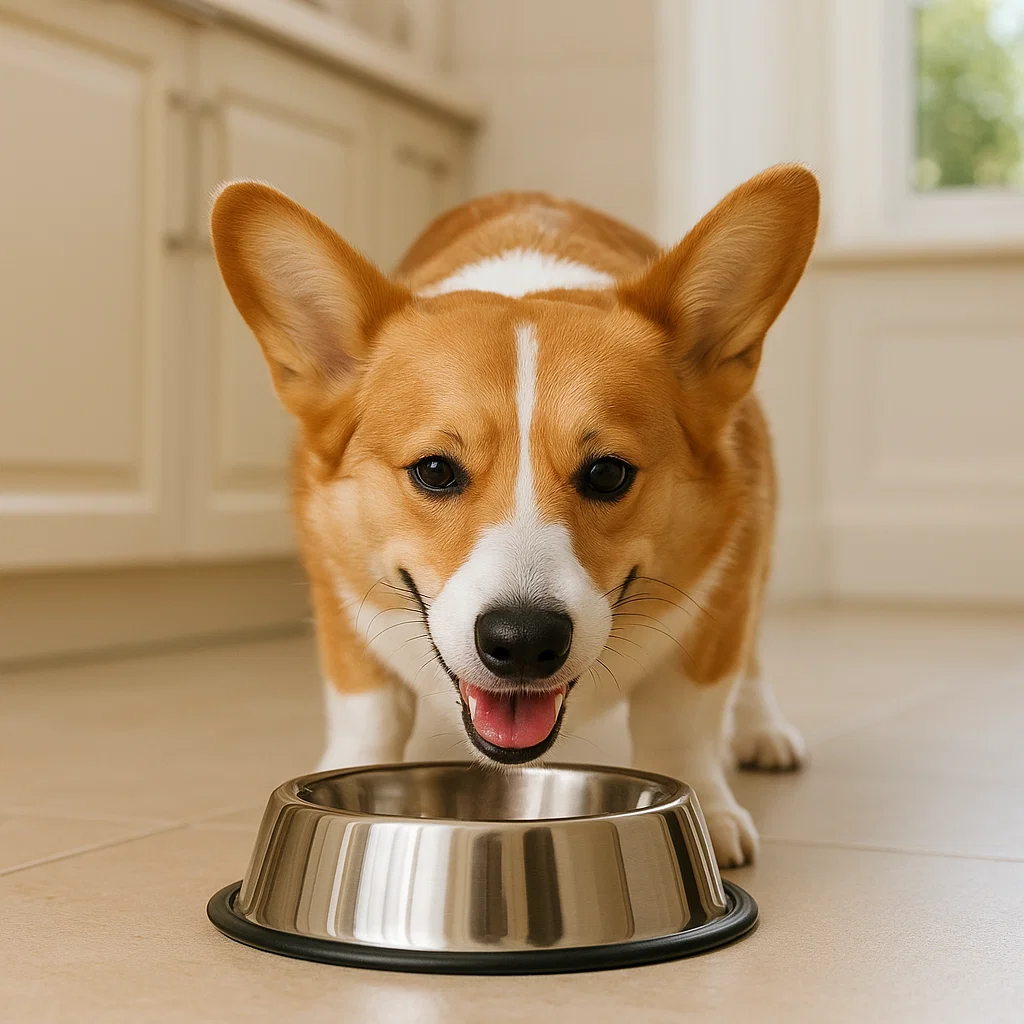
Best Dog Bowls: Safe Durable and Easy to Clean Options for Every Dog Choosing the right dog bowls is more important than it seems. The bowl your pup eats from affects their health, hygiene, and overall comfort during mealtime. The right choice helps prevent neck strain, bloating, and messy feeding areas while keeping your dog’s food safe and clean. Many pet owners face common problems such as constant spills, sliding bowls, or materials that may hold bacteria. At PupzCorner, we know every dog has unique needs. That’s why we’ve explored a variety of options, including the popular ceramic dog bowls, to find what truly works best. In this guide, you’ll discover safe, durable, and easy-to-clean choices along with expert tips to help you pick the perfect bowl that keeps your pup healthy, happy, and excited for every meal. What Makes a Dog Bowl Best – Key Criteria and Buying Guide Choosing the right dog bowls means thinking about safety, comfort, and hygiene. The American Kennel Club and Chewy highlight that material, size, and shape play a key role in how well your dog eats and stays healthy. A high-quality bowl prevents mess, supports posture, and resists bacteria buildup, making mealtime safer and easier for both you and your pup. Material and Safety Stainless steel dog bowls are the most reliable option for everyday feeding. They are durable, rust-resistant, and easy to clean, keeping your dog’s meals fresh and safe. These bowls don’t retain odors and resist bacteria buildup, making them ideal for long-term use. Size, Shape, and Design Considerations Choose bowl size and depth based on your dog’s breed and muzzle. Shallow bowls fit small dogs, while deep ones suit larger breeds. Narrow bowls keep long ears dry, and non-slip bases prevent spills. Slow feeder dog bowls help fast eaters digest food more comfortably. Hygiene and Durability Hygiene is essential to prevent bacteria and illness. Dishwasher-safe bowls are best for daily cleaning, especially stainless steel, which resists scratches and buildup. Ceramic bowls should be replaced if chipped, while plastic bowls need frequent inspection for wear. Avoid using damaged dishes since they can harbor harmful germs. Additional Features and Considerations Look for practical extras that make feeding more convenient. Non-skid rubber bases reduce spills, collapsible bowls are ideal for travel, and portion markings help manage feeding amounts. Choose designs that suit your home while prioritizing safety and comfort. For multi-dog homes, separate dog food bowls encourage calm, organized mealtime and help prevent food competition between pets. Explore the Dog Grooming Vacuum Kit for an easy, low-noise way to keep your dog clean and shed-free at home. Top Dog Bowl Picks for Every Pup Finding the right bowl depends on your dog’s habits, size, and lifestyle. Whether your furry friend is a messy eater, a fast one, or always on the go, there’s a perfect fit to make mealtime smooth and safe. Below are the best types of dog bowls for different needs, each designed to improve comfort, hygiene, and feeding efficiency. Best Stainless Steel Bowl A high-quality stainless steel dog bowl is a timeless choice for its durability, hygiene, and ease of cleaning. It’s rust-resistant, non-porous, and doesn’t retain odors, making it perfect for both food and water. These bowls are lightweight but sturdy enough to last for years. Pros: Durable, rust-proof, dishwasher-safe Cons: Can slide on smooth floors if not weighted Best For: Everyday use in single or multi-dog households Best Elevated Bowl Elevated bowls are excellent for large breeds or older dogs with neck or joint pain. By raising the feeding level, these bowls reduce strain and encourage a natural eating posture. Some models even allow height adjustments to grow with your pup. Pros: Promotes better posture and comfort Cons: Not suitable for dogs prone to bloat Best For: Senior dogs and large breeds like Labradors or Great Danes Best Slow Feeder Bowl Fast eaters often gulp food, leading to bloating and digestive issues. A slow feeder bowl helps by adding ridges and patterns inside the dish, encouraging slower, healthier eating. These bowls come in various designs to suit different food textures. Pros: Prevents overeating, supports digestion Cons: Requires a little more cleaning effort Best For: Dogs that eat too quickly or struggle with portion control Best Automatic or Gravity Bowl For busy pet parents, automatic or gravity-fed bowls ensure your dog always has access to fresh food or water. They refill themselves as the bowl empties, maintaining consistent availability throughout the day. Pros: Low-maintenance, keeps water fresh Cons: Needs regular cleaning to prevent buildup Best For: Owners who are away during the day or have multiple dogs Check out the Automatic Pet Feeder and Water Dispenser for an easy and convenient feeding solution. Best Travel or Collapsible Dog Bowl For adventures, park visits, or road trips, collapsible bowls made from silicone are lightweight and easy to carry. They fold flat, fit in bags, and open quickly for meals or hydration on the go. Pros: Compact, portable, easy to clean Cons: Not ideal for daily home use Best For: Active dogs and travel-loving owners Best dog bowls for Extreme Chewers or Heavy Use If your pup loves to chew, a reinforced stainless-steel or thick rubber bowl can withstand wear and tear. These bowls resist dents and scratches, making them ideal for long-term use. Pros: Extremely durable, chew-resistant Cons: Heavier than standard bowls Best For: Strong-jawed or playful dogs that damage regular dishes Also Recommended to read: Best Baby Gates for Dogs find safe and sturdy gates to keep your pup secure at home. How to Choose the Right Bowl for Your Dog Choosing the right dog bowls starts with your pup’s breed, size, and eating habits. Small or flat-faced dogs need shallow, wide bowls, while deep ones suit large breeds. If your dog eats too fast, use a slow feeder dog bowl to improve digestion. For home use, choose sturdy stainless steel or ceramic options, and for travel, go with collapsible bowls. Elevated bowls help large or senior dogs eat comfortably.
Getting a Puppy: Smart Steps to Start Right

Those adorable little dog eyes. That wagging tail. That little pebble that burns your heart. It’s easy to fall in love and think you need a pup today. However, since you are about to get a dog, you must take a slow breath because this choice alters your life in both positive and, in some cases, the most difficult aspects. Getting a puppy is not a weekend affair. It is a lifelong process that is full of happiness, patience, responsibility, and numerous learning hours. This article will take you through all the information, such as dog care tips and a first-time puppy owner guide, that you ought to know before owning a dog, particularly when this is your first time owning a dog. At PupzCorner, we’re dedicated to helping new pet parents get off to a strong start with expert guidance, essential dog supplies, and practical care manuals. You are about to start your pup adventure. Contact us now & allow our team to help you prepare to welcome your new furry friend. What It Really Means to Get a Puppy When individuals visualize the process of adopting a pup, they envision cuddling, playing, and taking walks. What they do not imagine is the cleaning up of accidents, tooth damage, and 5 a.m. wake-up calls. Owning a dog is a full-time occupation. You are not merely buying a pet, but raising a living creature that needs you to feed, love, and guide. The honest questions to ask before you get one are: Do I have time to train, feed, and exercise every day? Will I be able to pay the vet bills, good food, and hair cutting? Am I psychologically prepared to be patient with puppies? When the answer to this is yes, then you are prepared to begin this fruitful period of life. The Best Time to Get a Puppy When is better than why? A pup should be acquired at the right time, and when you can afford to provide time and stability to them. Avoid bringing a whelp home right before vacations, during busy work seasons, or during major life changes like a home move. Puppies require organization and discipline, and the initial 23 months are essential in bonding and training. In areas with extreme weather conditions, it is advisable to adopt measures during the warm season. House training, outdoor walking, and socialization are easier. Pups aged 8 to 12 months adapt well to new homes where they are mature enough to learn and immature sufficient to form close attachments. After determining the time of day of the week you should bring a pup home, the next thing to do is to select the ideal breed. Breeds that best suit family life can be found in our list of Top 7 Small Dogs for Families. Preparing Your Home Taking a puppy home unpreparedly is similar to having a toddler and not having any safety gates, and the same devastation can occur. The following are the steps for preparing your home with a puppy: Puppy-proof your house: Take away small items, poisonous plants, cables, and open trash cans. Develop a secure space: Prepare a small, comfortable space, including a bed or a crate, toys, and water. Prepare cleaning supplies: Accidents are a common aspect of maintaining pet-safe cleaners on board. A secure environment helps your puppy get accustomed quickly and avoid untimely accidents. Puppy Checklist Essentials for a New Owner You should have everything that a dog owner requires before the arrival of your puppy: Puppy food and treats Food and water bowls Collar, leash, and ID tag Soft crate or bed Training treats and chew toys. Puppy shampoo and brush Puppy pads or grass mats These will come in handy during the initial few weeks of your lives. It is also important to remember that adopting a puppy requires planning to ensure their safety and comfort. Want to save time shopping? Explore our Small Dog Clippers, which have everything your new puppy needs. First-time puppy owners carefully select everything. Puppy Health and Vet Care A visit to a vet is one of the initial steps to be taken upon the adoption of a little dog. You will be provided with instructions on the vet: Immunization and reinforcement timetables. Deworming and prevention of fleas and ticks. Early health checks A healthy dog is maintained through keeping up with its health schedule and regular vaccination. Schedule a checkup every few months within the first year. Your whelp may need an easier time keeping up with his health routine, so go and see our Puppy Health and Grooming Kit. It contains mild shampoo, a soft brush, and other things that will ensure that your pup is clean and comfortable between visits to the vet. Puppy Food and Nutritional Requirements Proper feeding of your whelp is among the greatest aspects of early care. Their small bodies develop rapidly, necessitating a balanced diet rich in the proper nutrients. Puppy food nutritional requirements include: High-quality protein (for muscle and tissue growth) DHA & Omega-3 fatty acids (for brain development) Calcium & phosphorus (for strong bones and teeth) It is better to avoid adult dog food, human snacks, and excessive treats for them, which may upset their digestion and development. Never ignore the labels on the food, or consult your vet on the type of food that should be given to your dog, depending on their breed and size. Training Basics for First-Time Puppy Owners Through early training, your whelp develops trust, discipline, and habits that last a lifetime. Start with house training and take your pup for a walk every few hours, especially after meals and naps. Implement crate training as a tool to assist with behaviour and potty training. Keep sessions short and positive, and reward any success. Basic commands such as sit, stay, and come are supposed to begin in the first few weeks. It is essential to be consistent, patient, and praise. And do not forget that socialization