
Beagle Characteristics and Care Guide | PupzCorner 2025
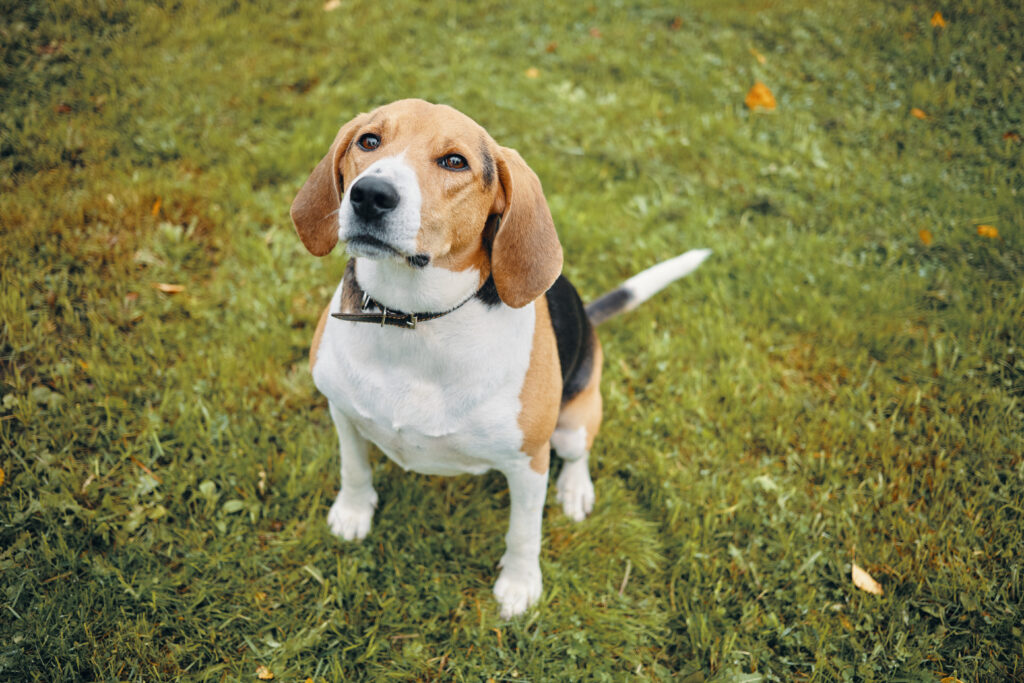
Beagle Characteristics: Complete Guide to Temperament, Personality and Care Beagles are one of the most popular dog breeds, loved for their playful spirit, loyalty and charming appearance. Understanding Beagle characteristics is essential for anyone considering this breed, since their unique traits affect everything from training to lifestyle. Known for their soulful eyes, floppy ears and lively energy, these pups bring joy to families around the world. In this complete guide from PupzCorner, we will cover all aspects of the breed, including Beagle temperament, Beagle personality traits, and practical advice through our detailed Beagle care guide. You will also learn essential Beagle training tips, the average Beagle lifespan, and get answers to common questions like “Are Beagles good family dogs?”. Beagles are curious, intelligent, and affectionate companions. With the proper knowledge and care, they can thrive in a loving home and provide years of happiness. Let’s dive into what makes Beagles so fascinating and discover how PupzCorner can help you give your pup the best possible life. Discover what we have in store for you and learn how we can help make your beagle’s life more enjoyable. Visit PupzCorner or Contact Us for more details. Physical Beagle Characteristics and Distinct Features When people think about Beagle characteristics, their adorable looks are usually the first thing that comes to mind. Beagles are small to medium-sized hounds with a sturdy build, making them both energetic and easy to handle. Their size, coat, and overall appearance are part of what makes them such a popular choice for families. Here are the defining physical traits that highlight Beagle’s personality and charm: Ears: Long, floppy ears that frame their face and give them a gentle, friendly expression. Tail: A medium-length tail that usually sticks upright with a white tip, helping owners spot them when they are sniffing in tall grass. Coat Texture: Short, dense, and weather-resistant, making grooming fairly simple. Color: The classic tricolor combination of black, brown, and white is most common, but some Beagles also come in lemon, red, and tan variations. Eyes: Large, expressive brown or hazel eyes often described as “puppy dog eyes” that reflect their sweet nature. Height: Typically 13 to 15 inches tall at the shoulder, making them compact yet strong. Weight: Most adult Beagles weigh between 20 and 30 pounds, depending on size and activity level. Lifespan: The average Beagle lifespan ranges from 12 to 15 years, which makes them a long-term companion when cared for properly. Nose: Known as “cold noses,” Beagles have over 220 million scent receptors that give them one of the best sniffing abilities in the canine world. According to the American Kennel Club, Beagles rank among the top scent hounds in the world. These physical Beagle characteristics not only define their appearance but also play a role in their behavior. For example, their strong nose drives their curious nature, while their sturdy build supports their love of outdoor adventures. For a balanced diet packed with taste and nutrition, try the Blue Buffalo Life Protection Formula Puppy Dry Dog Food with DHA and ARA, Chicken & Brown Rice Recipe (34 lb bag) from PupzCorner. It helps keep your Beagle puppy active, healthy, and satisfied every day. Sense of Smell – Why Beagles Are World-Class Trackers One of the most fascinating Beagle characteristics is their extraordinary sense of smell. Beagles are classified as scent hounds, meaning they were bred specifically to track scents across long distances. With more than 220 million scent receptors in their noses, compared to about 5 million in humans, Beagles have one of the most powerful sniffing abilities in the canine world. This exceptional ability is why Beagles are commonly used in search and rescue operations, law enforcement, and even at airports where they help detect contraband. Their Beagle temperament also plays a role here; their curiosity and persistence make them excellent trackers who rarely give up once they pick up a trail. When you combine this powerful sense of smell with their intelligence and playfulness, you get a dog that thrives on mental stimulation. That is why many pet parents find scent-based games, puzzle feeders and nose-work activities to be some of the best ways to keep their Beagle happy and engaged. You can check out PupzCorner’s interactive dog toys designed to challenge your pup’s instincts while giving them plenty of fun. Understanding this unique Beagle personality trait is key to creating a care routine that satisfies both their body and mind. A Beagle that gets regular scent work and exercise will be healthier, less destructive and more content in the long run. Intelligence – How Smart Are Beagles? When discussing Beagle characteristics, intelligence is always part of the conversation. Beagles are incredibly smart dogs, but their intelligence shows in unique ways compared to other breeds. Rather than excelling at strict obedience, Beagles demonstrate problem-solving skills, persistence and an independent streak that reflects their history as scent hounds. Beagles were bred to track scents without constant human guidance, which means they are naturally curious and confident decision-makers. This independence can sometimes be mistaken for stubbornness, but it is really a reflection of their sharp minds. With the right Beagle training tips such as positive reinforcement, consistency and plenty of patience, their intelligence becomes a powerful asset. Because of their clever nature, Beagles need mental stimulation in addition to physical exercise. Puzzle toys, interactive feeders and scent games are excellent ways to challenge their brains. Training sessions should be short, fun and reward-based to keep them motivated. For tools that can make your training sessions more effective, explore PupzCorner’s training essentials for dogs. Understanding this side of Beagle personality is key to creating a successful Beagle care guide. By channeling their intelligence into positive activities, you reduce unwanted behaviors and build a stronger bond with your pup. Life With a Beagle – Helping Them Adjust Bringing a Beagle into your home is exciting, but helping them adjust requires patience and consistency. One of the most important Beagle characteristics to remember is
Basset Hound Pitbull Mix – Is This the Perfect Dog for You?
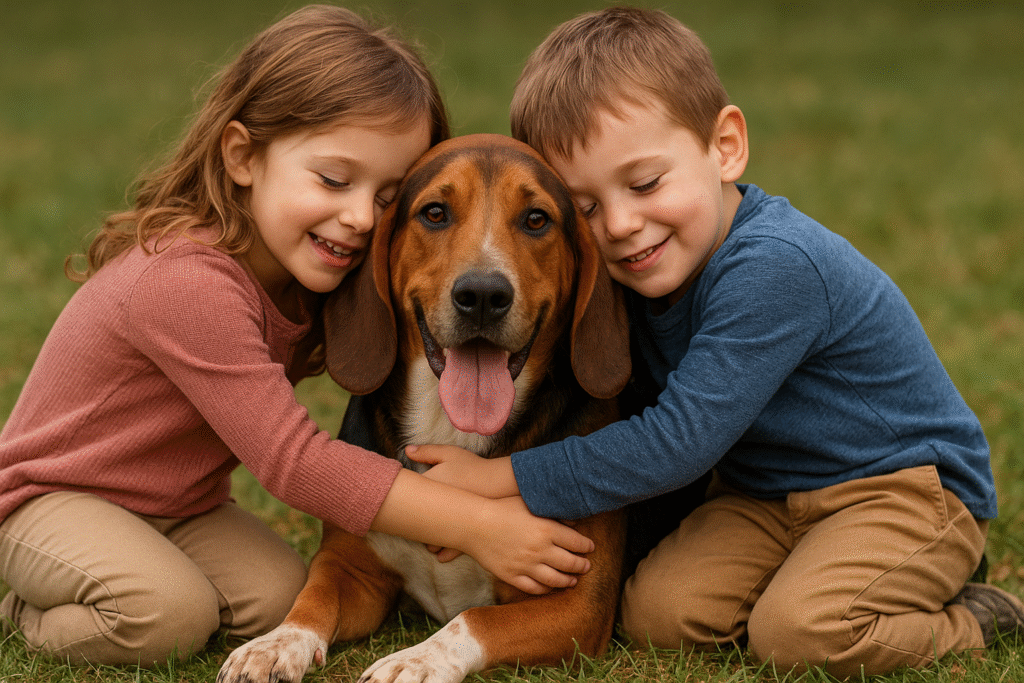
Basset Hound Pitbull Mix – Is This the Perfect Dog for You? The Basset Hound Pitbull Mix is a rare hybrid dog that combines the muscular strength of the American Pit Bull Terrier with the charm, long ears, and scent-tracking abilities of the Basset Hound. According to a study by the APPA (American Pet Products Association), nearly 53% of U.S. households own a dog, and mixed breeds are gaining popularity because they often combine the best traits of two breeds while reducing some genetic health risks. Suppose you’ve been wondering whether a Basset Hound mixed with a Pitbull might be the right companion for you. In that case, this PupzCorner blog explores everything from their breeding history and appearance to health, care tips, interesting facts, and the cost of a Pitbull Basset Hound Mix. For more information, please contact us. The Breeding History of Basset Hound Pitbull Mix: How They Came to Be The Basset Hound Pitbull Mix combines two very different purebred lineages: Basset Hound (France, 1500s): Bred for hunting small game like rabbits and other small animals, known for their extraordinary sense of smell, second only to the Bloodhound. American Pit Bull Terrier (U.S., 1800s): Originally bred as working dogs, admired today for their loyalty, athleticism, and protective instincts. When combined, this crossbreed inherits: Basset’s stamina & scent-tracking ability (Basset Hounds have approximately 221 million scent receptors, as compared to humans’ 5 million). Pit Bull’s muscular build & loyalty make it a strong yet affectionate family dog. Although the AKC does not recognize the Pitbull Basset Hound Mix as a separate breed, demand for hybrid dogs has surged by over 30% in the last decade (according to Petfinder data), making them increasingly popular. The Physical Appearance of a Basset Hound Mixed with a Pitbull The Pitbull Basset Hound Mix is easily recognizable due to its unique and sometimes comical appearance. Common features include: Height & Weight: 15–17 inches tall, 40–60 lbs. (slightly shorter than most Pit Bulls but sturdier than Basset Hounds). Face: Droopy ears from the Basset parent, with a Pit Bull–inspired muzzle. Eyes: Large, round, and soulful. Body: Muscular frame, deep chest, and short but powerful and beautiful legs. Coat & Colors: Short to medium coat, usually in shades of tan, red, brown, brindle, or white patches. Tail: Long, thick, and carried low. Life Expectancy: 11–13 years (with good diet & exercise). Fun Fact: According to the statistics of AKC, mixed-breed dogs like the Basset Hound Pitbull Mix often live 8–15% longer than their purebred counterparts due to “hybrid vigor.” Why the Pitbull Basset Hound Mix Is a Great Dog According to Personality and Temperament The Basset Hound Pitbull Mix is more than just good looks; it’s also a dog full of character and charm. While personality can vary based on upbringing, socialization, and genetics, some common traits include: Intelligent: They are trainable and quickly learn new commands. Loyalty trait: This mix forms strong bonds with family members and is protective of its home. Affectionate Nature: They love spending time with their owners, mostly preferring people over other dogs. Active Energy: Enjoys daily play sessions, walks, and unique interactive games. Calm at Home: They can also be relaxed cuddle buddies, despite bursts of energy. With proper training and early socialization, this hybrid makes a fantastic family pet. A study from the University of Pennsylvania found that Pit Bulls rank in the top 20 smartest dog breeds, making the Pitbull Basset Hound Mix intelligent enough to learn commands quickly. For families looking for smaller breeds with equally great temperaments, check out our blog on “The Top 7 Small Dogs For Families”. Health Concerns of the Basset Hound Pitbull Mix Like all other hybrids, the Pitbull Basset Hound Mix may inherit certain health issues from its parent breeds. Some common conditions include: Hip Dysplasia: This condition can cause pain in the joints and is typically managed through exercise and weight control. Bloat: A serious condition where the stomach of a Basset Hound Pitbull Mix fills with gas; smaller, frequent meals can help prevent it. Allergies: May develop food or environmental allergies leading to itching or skin irritation. Eye Infections: Due to their droopy, Basset-like eyes, they may be prone to eye infections. Obesity: A higher risk if exercise is limited, so portion control is essential. Gum Disease: Regular dental care and vet checkups are important. With good care and regular veterinary visits, most Basset Hound Pitbull mixes live long and healthy lives. According to the research by the American Veterinary Medical Association, 54% of U.S. dogs are overweight, and mixed breeds like the Basset Hound Pitbull Mix are especially at risk due to their short legs and stocky build. Caring for a Pitbull Basset Hound Mix: Essential Tips for Owners Having a Basset Hound Pitbull Mix requires a lot of commitment and care. Here’s how to ensure they groom and grow: Grooming Requirements Brush their body hairs regularly to manage shedding. Give them a bath only when necessary. Clean droopy or dirty ears often with proper drops to prevent infections. Trim their nails regularly. Nutritional Requirements Provide them with high-quality food, specifically protein-rich options. Avoid overfeeding them to prevent obesity. Provide fresh water at all times. Exercise Needs Make them do at least 35–45 minutes of exercise daily. Activities can include hiking, walking, swimming, fetch, or others. Mental stimulation with toys and puzzles is also essential. Proper Veterinary Care Regular vet checkups for vaccinations, health screenings, and dental care. Discuss supplements, such as omega-3 fatty acids, for skin and joint health. Struggling with obedience training? Don’t miss our blog, Get Your Puppy To Stay: Effective Dog Training, for step-by-step tips. Cost of Pitbull Basset Hound Mix: What Should You Expect? When considering adding a Basset Hound Pitbull Mix to your loving family, it’s essential to consider the financial aspect. Purchase/Adoption Price: Adoption may cost $100–$300, while buying from a breeder can range from $400–$800, depending
What Causes Slipped Discs in Dogs and How Are They Treated?
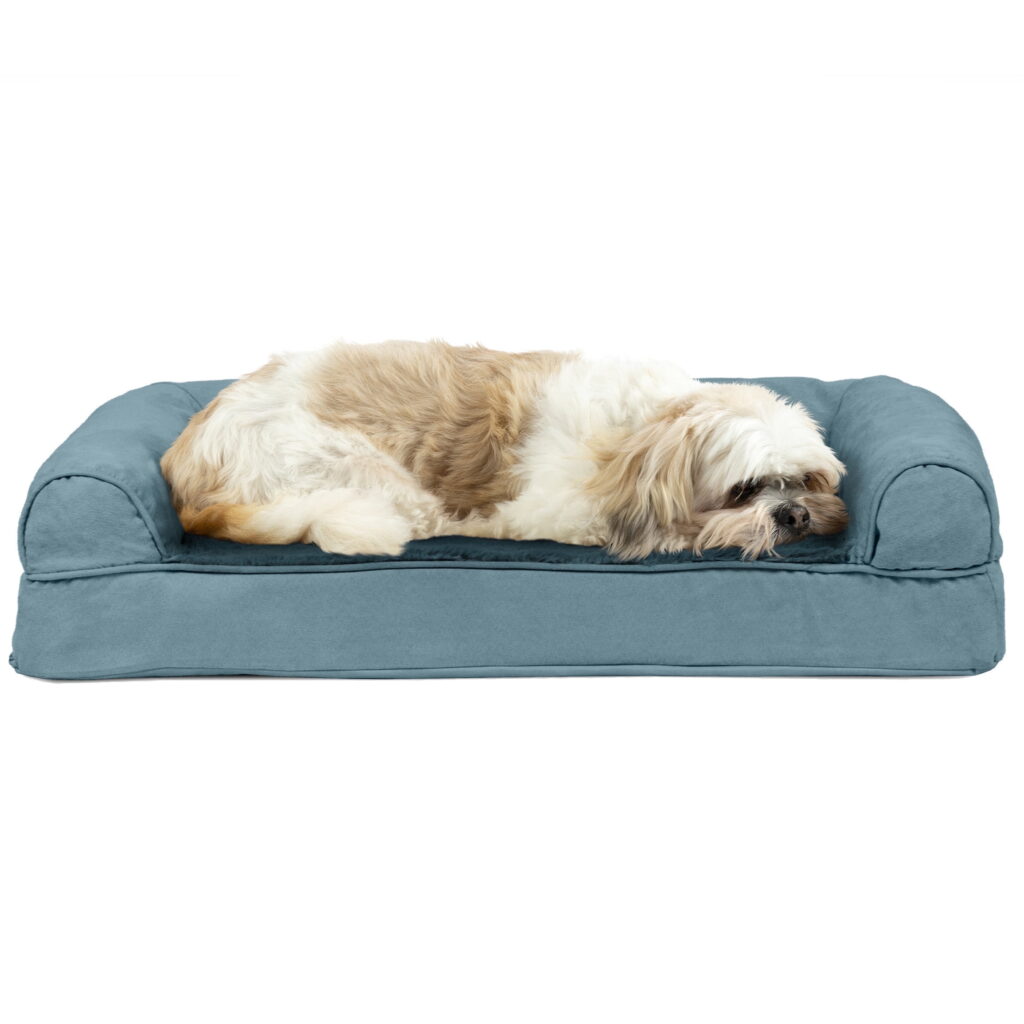
Slipped disc in dogs (also called intervertebral disc disease or IVDD) can be one of the most painful and frightening conditions for pet owners to witness. Your pup’s sudden howls of pain are enough to send a shiver down your spine. Getting the correct diagnosis and treatment for a slipped disc can feel overwhelming. “What did you do?” “How did this happen?” At the end of the day, all you want is for your dog to feel better, fast. Slipped discs in your beloved pup can be an incredibly distressing situation. You are afraid of the worst and hope for the best. In this guide, I provide all the information you need when dealing with a dog that has suffered a slipped disc. I cover everything, from the initial diagnosis to figuring out which treatments might be most beneficial throughout recovery. Armed with this knowledge, you can quickly get a diagnosis and treatment plan in place, so your pup can start to feel better again. To begin, let’s explore the basics of slipped discs. What Is The Mystery Of Slipped Discs In Dogs: Causes And Effects Source: Canva.com In medical terms, Intervertebral Disc Disease (IVDD), slipped discs occur when one of the discs between your pup’s spinal vertebrae slips out of its normal position and presses on its spinal nerves. Though the exact cause of this condition is not known, it is thought to be caused by an inherited genetic disorder that weakens the discs in your pup’s spine. It can also occur due to trauma or excessive jumping/running. Age and weight are also contributing factors, as older dogs and overweight dogs tend to be more affected by slipped discs. However, any dog can be affected by a slipped disc, regardless of age and weight. The effects of slipped discs in dogs can vary depending on the severity. Still, in general, they will experience pain and possibly paralysis if the disc is pressing on the spinal cord. In some cases, it could even lead to permanent neurological damage. For more help about which food you should give to your dogs, you can check our post on: Finding the Best Dog Foods on Amazon. With a complete understanding of the causes and outcomes of slipped discs, it’s time to uncover the signs and symptoms of disc slippage in dogs so that you can give your pet prompt care. Signs And Symptoms Of Slipped Discs In Dogs Source: yandex.com Keeping an eye out for signs that your pup might be suffering from a slipped disc is essential. The faster you can diagnose it, the quicker you can begin treatment and minimise any permanent damage. The signs and symptoms of a slipped disc vary depending on the severity, but here are some common ones to watch out for: Pain – Your pup may yelp or whimper when touched near their spine. Loss of appetite – Pain can cause your pup to lose its appetite. Unusual posture – Your pup may be trying to alleviate the pain by standing in an unusual position. Weakness or paralysis – If the disc is pressing on your pup’s nerves, they may experience weakness or even paralysis in their hind legs. Reluctance to move – Dogs with slipped discs may be reluctant to move because of the pain. Poor reflexes – If their nerves are affected, your pup may have slow or weak reflexes. Trembling – Pain and fear can cause your pup to tremble. Urinary incontinence – If the disc is pressing on their nerves, they may experience issues with bladder control. Shivering, shaking, and muscle spasms may also occur. These are the main signs and symptoms of a slipped disc in dogs, so if you notice any of these, it’s essential to take your pup to the vet immediately. A supportive environment, like providing a [Best Calming Dog Bed (Anxiety Comforting)], can ease your dog’s stress during recovery Diagnosing Dog Disc Slippage: What The Veterinarian Will Do Source: yandex.com Ah, the step to diagnose and cure this condition. It’s an essential step for both you and your pup, as not only will it rule out other conditions, but it will give the vet a clear picture of what is going on inside your pup’s body. Here is what the vet will do to diagnose your pup’s disc slippage: Physical Exam: Your vet will examine your pup and ask questions about their diet, exercise routine, and any other pertinent information. X-rays: During the physical exam, your vet may order X-rays to gain a better understanding of the disc slippage. MRI: The vet may perform an MRI to obtain a clearer view of the spinal cord and assess for any damage. Blood Tests: Blood tests can help the vet rule out other conditions, such as cancer and infection. Myelograms: Myelograms are a type of imaging test that can help the vet see if any disc material is pressing against the spinal cord. If you notice any of these signs or symptoms in your pup, don’t hesitate to take them to the vet immediately so they can receive a prompt diagnosis and care. Now that you have a good understanding of the symptoms, causes, and diagnoses associated with slipped discs in dogs, it’s time to check what treatments are available. What are the Effective Dog Slipped Disc Treatment Options? Source: Canva.com No one wants to see their puppy in pain, so luckily, there are various treatment options available for treating slipped discs in dogs. Depending on the severity of the disc slippage and the amount of nerve damage, your vet will determine which option is best for your pup. Pain Medication Your pup may be prescribed a pain reliever to help manage their discomfort. This can include anything from nonsteroidal anti-inflammatory drugs (NSAIDs) to corticosteroids. Anti-Inflammatory Drugs Common anti-inflammatory drugs prescribed for slipped discs are glucocorticoids like prednisone. These drugs help reduce inflammation and pain, but should only be given in short courses. Physical Therapy Your vet may recommend physical therapy
What Are the Top 7 Small Dogs for Families?
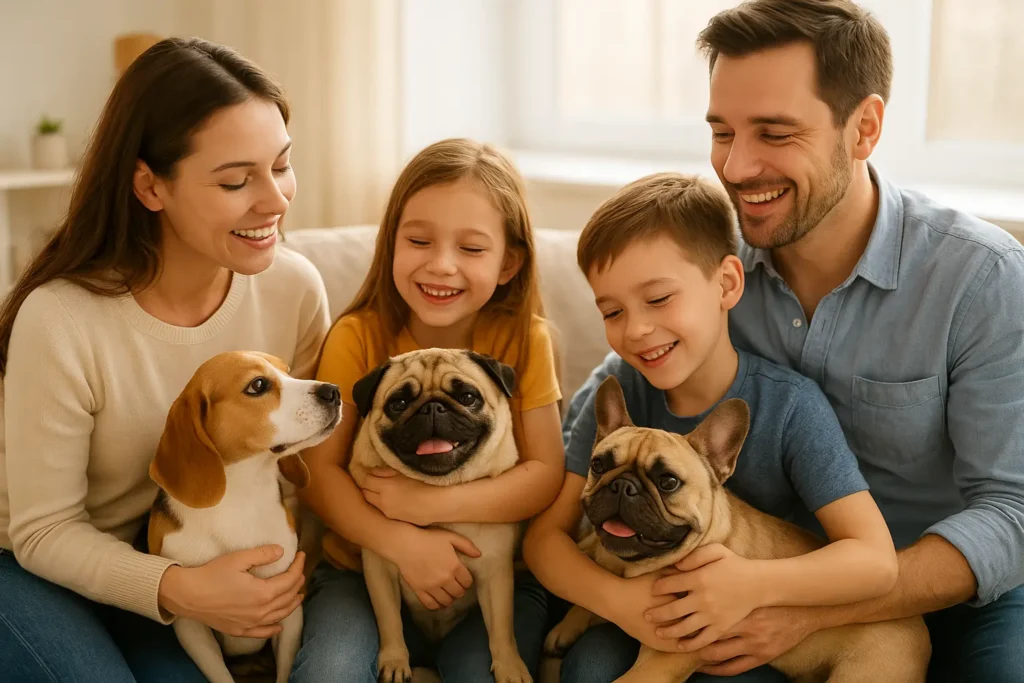
The Happiness of Getting a Perfect Small Dog What if you have happiness in your arms and it’s wiggling up its little tail and looking at you out of its love-filled eyes? This is precisely what will happen as you adopt one of the Top 7 Small Dogs For Families. Such little friends are small in size but full of faithfulness, laughter, and love that make the saddest days sunny. PupzCorner offers a small dog breed that can fit into any lifestyle. They don’t need big backyards or fantastic maintenance; a brisk spanking is all they need, and they will give you a hundred and one years of joy. You are getting ready to get a new small furball? It must be simple to change with our complete line of accessories, including chew toys, feeding bowls, warm blankets, and a leash that fits around a small dog’s neck. And the best part? The 7 Best Small Dogs to Keep in the Family are sociable, accepting, and loving companions for children. Next, we will explore the top 7 small dogs suitable for families, focusing on puppies that are easy to train. For more information, please contact us. Why Choose a Small Dog for Your Family? Here’s why small dog breeds to fit any lifestyle are such a popular family choice: Space-Smart Companions: There’s no need for big gardens. These small companions are space-friendly. Gentle Temperament: Many of the best small dog breeds are wonderful with children and older adults alike. Low Maintenance: Perfect for busy families, these low-maintenance, kid-friendly small dogs are easy to care for and love attention. Playful Personalities: With their joyful spirit, they make ideal playful small dog breeds that keep kids active. The Top 7 Small Dogs for Families (Your Perfect Little Companions) 1. Cocker Spaniel – The Cheerful Family Favorite The Cocker Spaniel belongs to the American Kennel Club’s Sporting Group. They are not too small, not too big, and sturdy, typically weighing between 28 and 32 lbs. With their silky ears, soulful eyes, and flowing coats, they’re as stunning as they are sweet. Personality Highlights: Exceptionally friendly and affectionate Intelligent and eager to please Full of playful energy A great sense of smell was bred initially for hunting Excellent with children and other pets Cocker Spaniels are gentle, loyal, and thrive on companionship. They make excellent additions to homes that enjoy active, loving pets. You can also buy a beautiful leash from PupzCorner that can fit around a small dog’s neck easily. 2. French Bulldog – The Calm and Loyal Companion The French Bulldog, affectionately known as the “Frenchie,” is easily recognized by its bat-like ears and expressive face. These muscular little dogs weigh around 16-28 pounds and come in shades of fawn, white, black, or brindle. Personality Highlights: Friendly and lovely with children Calm and quiet, perfect for apartment life Devoted and loyal to their owners With a bit of care and regular walks, Frenchies stay healthy and happy for up to 14 years. 3. Beagle – The Curious Explorer Beagles are lively members of the AKC Hound Group. Since Beagles love outdoor adventures, keeping them secure yet comfortable is key. Try our Adjustable Comfort Harness for Small Dogs, designed to prevent choking and make daily walks more enjoyable. Known for their curiosity and keen sense of smell, they bring endless fun and love to any household. Physical Traits: Height: 13–15 inches Weight: 20–30 pounds Eye colour: Warm brown Coat: Short, smooth, lemon & white shades Beagles love playtime and family activities, making them one of the Top 7 Small Dogs For Families. With regular grooming and exercise, these Beagles’ characteristics of joyful pups will stay your loyal companions for 12–15 years. 4. Pug – The Hilarious Little Comedian Pugs are part of the AKC Toy Group and known for their charming, wrinkly faces and curled tails. Typically weighing between 14 and 18 pounds, they are the life of any family gathering. Temperament Highlights: Playful and full of personality Gentle and affectionate with children Adaptable to indoor living Pugs can live up to 15 years, spreading laughter and warmth every single day. 5. Bichon Frise – The Fluffy Bundle of Sunshine The Bichon Frise is a soft, white, cotton candy-like pup with bright eyes and a cheerful spirit. Lightweight at just 8–12 pounds, they’re ideal for homes with limited space. Why Families Love Them: Non-shedding and hypoallergenic Sweet-natured and playful Excellent with kids and other pets They are one of the most low-maintenance and kid-friendly small dogs. With a lifespan of 12–15 years, a Bichon Frise brings years of love and cuddles. 6. Shih Tzu – The Regal Family Member Known as the “little lion,” the Shih Tzu exudes elegance with its long, flowing coat and expressive eyes. Small dogs like Shih Tzus adore cozy nap spots. Treat them to the ultimate comfort with the PupzCorner Orthopedic Puppy Bed, supportive, washable, and perfect for tiny paws. These small dogs stand about 8 –11 inches tall and weigh between 9 and 16 pounds. Why Families Adore Them: Calm yet playful personality Extremely affectionate Great with both kids and seniors With proper love and care, a Shih Tzu can live a life of 16 years, proving why it remains one of the Top 7 Small Dogs for Families. 7. Havanese – The Cuban Charm Native to Cuba, the Havanese is known for its silky, wavy coat and joyful spirit. They usually weigh between 7 and 13 pounds, making them perfect lapdogs. What Makes Them Special: Exceptionally friendly and social Highly adaptable to different environments Intelligent and easy to train Deeply loyal and affectionate With proper grooming and nutrition, they live between 14 and 16 years, bringing constant smiles and affection. How to Find the Right Pup for Your Family Here’s a quick guide: Active Families: Choose Beagles or Cocker Spaniels; they love adventure. Calm Households: French Bulldogs and Pugs are well-suited to quieter homes. Busy Parents: Go for low-maintenance kid-friendly small dogs like Bichon
The Sock Thief – A Tale of Ello the Lazy Orange Criminal
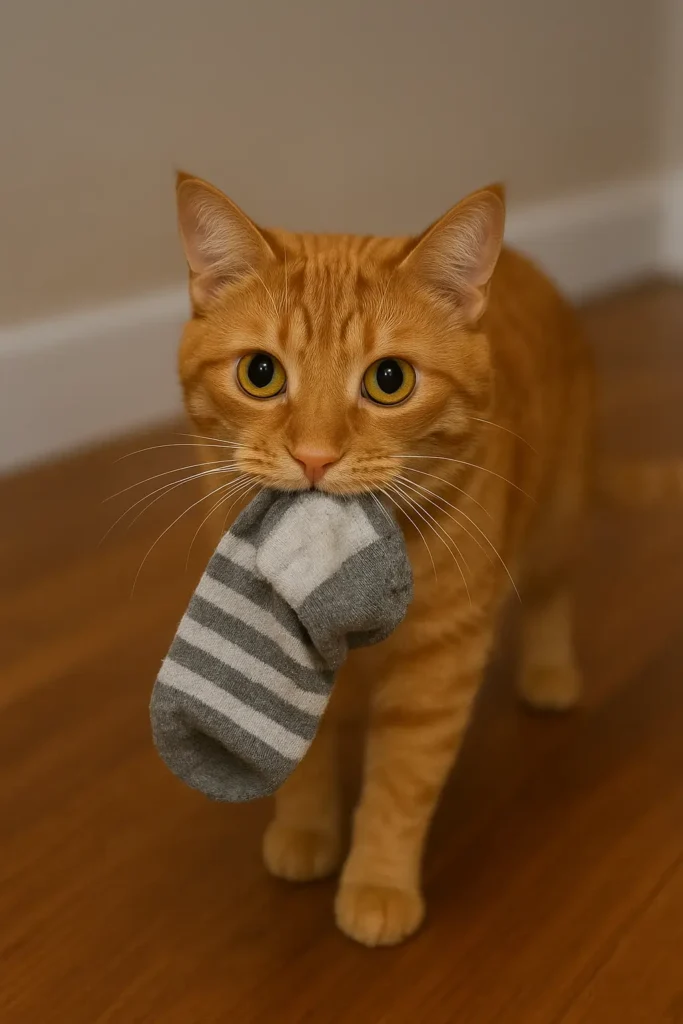
The Sock Thief: The Tale of Ello, the Lazy Orange Criminal There’s never a dull day when you share your home with a furry companion, and at PupzCorner, we’ve heard our fair share of funny pet adventures. But nothing prepared me for the day I realized my sleepy orange fluffball, Ello, had been living a double life. By day, he’s the definition of laziness, sprawled on his back like a tiny, retired gentleman. But by night? He’s a sneaky little legend known around my house as “Cat, the Sock Thief. Got a tale or a photo to share? Drop us a message through our Contact Page, your pet might just be the next PupzCorner star! Meet Ello: A Funny Cat Story of a Professional Napper If sleeping were an Olympic sport, my cat Ello would bring home the gold, probably after taking a nap on the podium. This fluffy orange loaf spends hours sprawled on his back, paws in the air, like a retired man after Thanksgiving dinner. He doesn’t just love naps; he worships them. You could vacuum the house, drop a spoon, or open a can of food; Ello won’t even twitch an ear. Naturally, I panicked. Surely no creature could sleep this much without being part sloth? So off we went to the vet. After a bill that cost me both an arm and a leg, the vet smiled and said, “he’s fine. Just lazy.” Lazy, yes. But harmless? Not quite. The Great Sock Disappearance It all started with socks. One morning, as I got ready to go out, I realized none of my socks matched. “Impossible,” I thought. “I just bought six pairs!” I blamed the usual suspect, the washing machine monster, that invisible beast responsible for eating one sock from every pair since the dawn of laundry. But when the same thing happened again the next week, I knew something fishy (or should I say furry) was going on. The Sock Thief: Caught Red-Pawed The investigation began. I noticed Ello spending suspicious amounts of time in the laundry room, where his litter box lives. Acting on a hunch, I set a trap: one sock, left alone on the floor, and a watchful eye from behind the door. Minutes later, the suspect arrived. He looked left. He looked right. Then, in one swift, silent move, Ello grabbed the sock in his mouth and bolted. I followed him to the balcony and discovered his lair: a hidden treasure pile of stolen socks, hair ties, pen caps, and even one of my earrings. Sitting proudly in the middle was Ello, guarding his loot like a tiny orange dragon on a mound of cotton gold. I couldn’t even be mad. I laughed so hard I cried. My lazy cat was secretly running a one-feline crime syndicate. Of course, I had to reward my little thief with a few Healthy Pet Treats, though I suspect he’s only stealing socks to earn more of them! Ever wondered how to truly spoil your furry companion the right way? Check out our blog, How Can You Treat Your Spoiled Pets Like Royalty in 5 Ways?, for fun, heartwarming ideas to make your pets feel like the kings and queens they believe they are! The Secret Behind the Cat Steals Socks Naturally, I needed answers. Why on earth would a cat steal socks? After a bit of research (and mild soul-searching), I discovered something surprisingly sweet: cats often steal items that carry their owner’s scent. It’s their way of feeling safe and close to you, like toddlers clinging to a favorite blanket. So, in Ello’s fuzzy little mind, he wasn’t stealing. He was collecting love tokens. My heart melted instantly. Who could stay mad at that face, or that logic? If your furry friend loves cozy comfort, consider our Ultra-Soft Pet bed. It’s like a warm hug for pets who love snuggling (and much safer than stealing your socks!). The White Sock Theory of Lazy Orange Cat Behavior Ello has a unique look, one orange paw and one perfectly white paw, as if he’s already wearing a single tiny sock. Maybe that’s why he steals only one sock each time, he’s just trying to complete the outfit! At this point, I gave up trying to stop him. Instead, I started “accidentally” dropping socks around the house to feed his hobby. It’s our little game now, and honestly, watching him proudly march off with his latest prize makes my day. I’ve since learned to keep Ello entertained with fun toys and games, enrichment ideas for cats can really help channel that mischievous energy! Ello’s Partners in Crime (Sort Of) Ello isn’t my first mischief-maker. My late Siamese cat, Meezy, once stole half a rotisserie chicken and hid under the bed for an entire day. And then there was Petro, my gentle giant German Shepherd, whose heart was as big as his bark. I like to think Meezy and Petro are up there now, sharing a feast, and probably laughing at Ello’s sock obsession. My old buddy Petro would’ve loved our Interactive Chew Toy for Puppies, maybe he wouldn’t have needed to steal chicken if he had one of those! Cat Owner Life Stories: The Moral of the (Sock) Since then, Ello has continued his nightly heists, and I’ve continued pretending not to notice. He occasionally hops onto my desk, stares at me for minutes like a tiny orange boss, making sure I’m working hard enough to afford his fancy food and new toys. Cats are weird, wonderful, and endlessly entertaining. Dogs may love you unconditionally, but cats? They choose to, and when they do, it’s on their terms, preferably after stealing your favorite socks. So, if you ever find yourself missing half your sock collection, don’t blame the washing machine. Check behind the plants first; there might be a fluffy little thief guarding your socks like treasure. And remember, if your cat’s name is Ello,
Best Baby Gates for Dogs | Safe & Sturdy Pet Barriers 2025
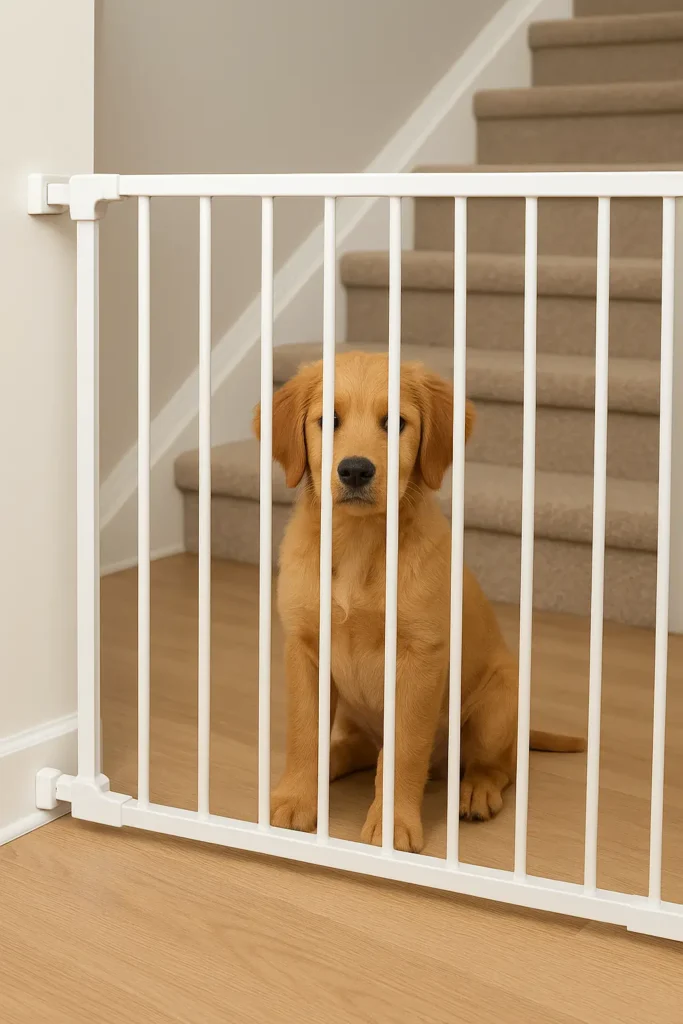
Best Baby Gates for Dogs Keep Your Curious Dog Out of Mischief and Your Home Clean Having the best baby gates for dogs in your home brings peace of mind and happiness. Still, your curious pup or mischievous dog might wander into areas they shouldn’t. Whether you’re keeping a playful puppy away from danger, a stubborn husky out of the living room, or an older dog safe from stair falls, a sturdy baby gate is your best solution. All gates are not equal, however. Others are designed with strength and stability in mind, while others prioritise convenience and portability. To make the decision, PupzCorner has compiled eight of the most successful baby gates that are safe, durable, and designed for dogs. While a baby gate keeps your furry friend safely contained, keeping them entertained is just as important! For more information, please contact us. Best Baby Gates for Dogs: Top Product Picks 1. Wooden Baby Gates It is constructed of solid wood or a wood mixture. It gives the space a cozy feel, matching the home decor, and can be swing-open or slide-open. Pros: Classy and beautiful appearance. Durable when kept indoors. Green and simple to re-paint or refinish. Cons: It is dog scratchable and chewable. It cannot be used outside because it has been damaged by moisture. Installation: Normally, it is screw-mounted on the wall or pressure-mounted. Make sure that both sides are at the same level, then tighten the pressure knobs. Veterinary behaviorists agree that setting clear physical boundaries at home helps dogs feel more secure and reduces anxious or destructive behavior. 2. Metal or Steel Baby Gates It is made of iron, aluminum, or steel and developed as a high-strength and durable product. Most popular in extra-tall or heavy-duty models. Pros: It’s very tough for big and strong dogs. A rust-resistant coating guarantees long life. Pets can hardly bend or be damaged. Cons: Heavier and less portable. Not all interiors may match an industrial appearance. Installation: May be mounted as pressure- or hardware-mounted. Ideal for securing the peak or bottom of stairways for added safety. 3. Plastic or PVC Baby Gates It is constructed from shaped polymer or PVC board, making it lightweight, affordable, and frequently portable or adjustable. Pros: Easy to clean and maintain. Rust-free and lightweight. Big with smaller dogs or puppies. Cons: Not applicable to aggressive or assertive dogs. It can bend or break when pushed. Installation: Usually, it is mounted between walls or doors under pressure. Easy tool-free setup. 4. Retractable Mesh Baby Gates It features a roll-up construction with heavyweight mesh fabric and can retract into a tight casing when not in use, ensuring a slim, contemporary, and minimalistic design. Pros: Perfect in small rooms and minimalistic houses. Easy to operate with one hand. Block not avenues when open. Cons: Mesh may either stretch or tear under the influence of powerful dogs. Not ideal for large breeds. Installation: Attached to the walls with screws. It should be mounted flat to roll and lock. According to the American Kennel Club (AKC), creating safe boundaries at home helps reduce anxiety and prevent destructive behaviour in dogs. 5. Freestanding/ Modular Panel Gates. The structure consists of several interlinked, freestanding panels that aren’t mounted to the walls. Designed to be flexible, it can take on different shapes Pros: No drilling or wall damage. Adaptation in spacious rooms. Works well as a pet playpen. Cons: Not a stable or strong dog, nor a jumper. It can move when pushed or bent over. Installation: Unfold and set on the floor. Make sure that the surface is flat and stable. 6. Extra-Tall Baby Gates Its Mean height is 36-40 inches and above. This product is designed to accommodate medium to large dogs that are jumpers and features metallic or hybrid frames. Pros: It certainly keeps dogs inside, preventing them from climbing up or jumping over. Provides additional security to multi-pet households. Durable and strong build. Cons: Heavier and more expensive. May hide small pets or children. Installation: Typically, either hardware- or pressure-mounted. Ensure the upper latch is positioned correctly, then lock up. 7. Pressure-Mounted Baby Gates Pads or tension rods are used to hold the item in place. Additionally, no screws or fixed fittings are needed for this type of gate. It is easily transportable to other rooms. Pros: Easy and instant installation. No wall damage. Absolutely perfect in temporary/rented houses. Cons: It can slip if dogs push hard. Contraindicated in staircases. Installation: Continue to stretch the gate until the side pads are against the wall. Turn knobs to a point of stability and stillness. 8. Hardware-Mounted Baby Gates It is usually installed on the stairs or in hazardous locations and fitted to the studs or banisters of the wall with a screw. It is the most secure and durable solution for dogs. Pros: Very stable and durable. It is a heavy-duty, dog-resistant, and multi-use. Be careful on the stairs. Cons: Takes equipment and drilling of walls. Leaves leave impressions or holes in leaves. Installation: Mounting requirements were included in brackets, along with screws. Make sure that it is fitted on the wall studs to achieve maximum support. If your dog is still in training, pairing your gate setup with Puppy Training Pads helps keep the area clean and hygienic while they learn. You can also try our Dog Toys 25 Pack for Fun and Teeth Cleaning. Then, Which One is the Right Dog Gate for Your Home? Choosing the right dog gate for your home depends on your pet’s size, behavior, and your living space layout. For smaller breeds, lightweight or pressure-mounted gates may be enough, while larger or more active dogs need sturdy, wall-mounted designs. Consider factors like material, height, and lock type to match your home’s safety needs and style. The right gate not only protects your space but also creates a secure, comfortable boundary for your furry friends. 1. Freestanding Dog Gates Freestanding gates don’t attach to walls
Best Dog Crates for Large & Small Dogs | 2025 Buying Guide
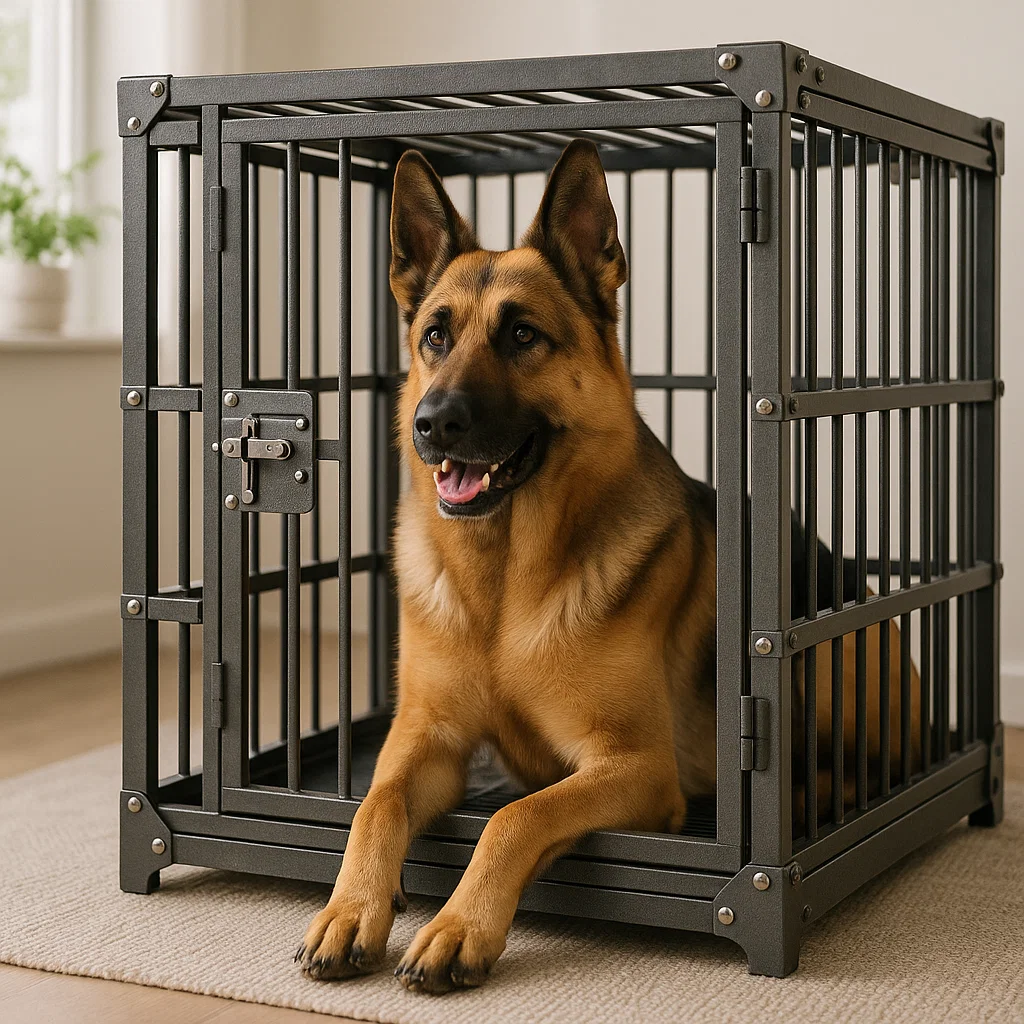
Best Crates for Dogs: Safe and Comfortable Picks for Every Pup You love your dog, but keeping them safe, calm, and comfortable can be challenging. Many pet owners struggle when their dogs become anxious, chew furniture, or have trouble relaxing after playtime. It can be stressful to find a reliable way to give your dog a sense of security and peace inside your home. The right crate for your dog can solve that problem. A well-designed crate gives your dog a cozy space to rest, feel protected, and build good habits. The best crates for dogs also make travel, training, and daily routines easier for you and your pet. At PupzCorner, we focus on helping pet owners choose products that combine comfort, safety, and value. Our team reviewed and compared the best crates for dogs in 2025, evaluating their design, materials, and suitability for different breeds. In this guide, you will learn how to select the right size, understand the key features that matter most, and discover our top recommendations for every type of dog from small puppies to large, active breeds. Why Crates Are Good for Dogs When introduced correctly, a crate can be one of the most valuable tools for your dog’s comfort and behavior. It offers a calm, personal space where your dog can rest, decompress, and feel secure. Crates also support house training by helping dogs learn boundaries and reduce accidents inside the home. During travel or recovery, a crate keeps your pet safe and minimizes anxiety in unfamiliar environments. According to VCA Animal Hospitals, crate training can prevent destructive habits, protect your home when unsupervised, and build your dog’s sense of stability. Texas A&M Veterinary Medicine adds that proper crate training can reduce household stress and speed up housebreaking for puppies. Crates should always be associated with safety and relaxation, never punishment. When you use patience and positive reinforcement, the crate becomes a space your dog chooses to feel like home. Pair your dog’s crate routine with healthy nutrition using the Buffalo Life Protection Formula Adult Small Breed Dog Food from PupzCorner. It supports energy, calm behavior, and a shiny coat for crate-trained pups. Learn more about your dog’s unique traits in our detailed guide on Fascinating Beagle Characteristics. What to Look For in a Quality Dog Crate Choosing the right crate means balancing safety, comfort, and practicality. Before you buy, consider the features that make a crate truly reliable and comfortable for your dog. Key Features to Check: Size: Select a crate that allows your dog to stand, stretch, and turn comfortably. Always size up slightly so your dog can stand and turn easily. Ventilation: Look for good airflow on all sides to keep your dog cool and prevent odors. Safety Latches: Ensure secure, easy-to-lock doors that prevent accidental openings. Material: Metal crates offer strength and durability for larger dogs. Plastic crates provide privacy and travel convenience. Soft-sided crates are lightweight and ideal for smaller or calm dogs. Furniture-style crates blend with home décor while providing comfort. Portability: Choose foldable or lightweight designs if you travel often or need easy storage. A well-built crate not only keeps your dog safe but also helps create a calm, consistent environment they can trust. What Size Crate Does My Dog Need? Choosing the right crate size is essential for your dog’s comfort and safety. The best crates for dogs are spacious enough for your pet to stand, stretch, and turn around without feeling cramped. To find the right fit, measure your dog from nose to tail for length and from floor to top of the head for height, then add about four inches to each measurement. Here’s a quick reference: Small: Under 25 lbs – toy breeds and small companions Medium: 25–50 lbs – average-sized dogs Large: 50–90 lbs – strong and active breeds Extra-Large: 90 lbs or more – giant breeds If you’re crate training a puppy, choose a larger crate with divider panels so you can adjust the space as they grow. Support your puppy’s healthy growth and crate training with the Life Protection Formula Puppy Dry Dog Food from PupzCorner. It’s enriched with DHA for brain development and balanced energy. Top 5 Best Crates for Dogs in 2025 Choosing the right crate is an important decision for your dog’s comfort, safety, and routine. Based on build quality, design, and real pet owner feedback, these are the best dog crates for 2025 that deliver value, style, and reliability. MidWest iCrate Fold & Carry The MidWest iCrate remains a favorite among pet owners for its simple design and affordability. Made from durable wire with a removable plastic tray, it’s easy to clean and folds flat for storage or travel. The dual-door setup provides flexible access and improved ventilation, while the divider panel helps accommodate growing puppies. Pros: Affordable, easy to set up, sturdy design. Best for: First-time crate buyers and everyday home use. EliteField Soft-Sided Dog Crate For pet parents who travel often, the EliteField Soft-Sided Dog Crate offers comfort and portability in one package. Its lightweight steel frame and durable fabric panels make it easy to carry, while mesh windows provide excellent airflow and visibility. The crate comes with a carrying bag and fleece bed, ensuring your dog feels cozy wherever you go. Pros: Lightweight, comfortable, travel-friendly. Best for: Small dogs, road trips, and apartment living. Frisco Heavy Duty Dog Crate The Frisco Heavy Duty Dog Crate is built for strength and security. Crafted from reinforced steel, it features escape-proof latches and locking wheels for easy mobility. It’s ideal for large or strong breeds that need extra durability. Owners praise its stability and long lifespan, making it a great investment for high-energy dogs. Pros: Extremely durable, secure, mobile. Best for: Large and powerful breeds. For dogs who love evening walks after crate time, the Light-Up Dog Harness – LED Safety Vest keeps them visible and secure outdoors. Diggs Revol Dog Crate The Diggs Revol Dog Crate combines safety and modern
Socializing a New Puppy: Your Guide to a Well-Adjusted Dog
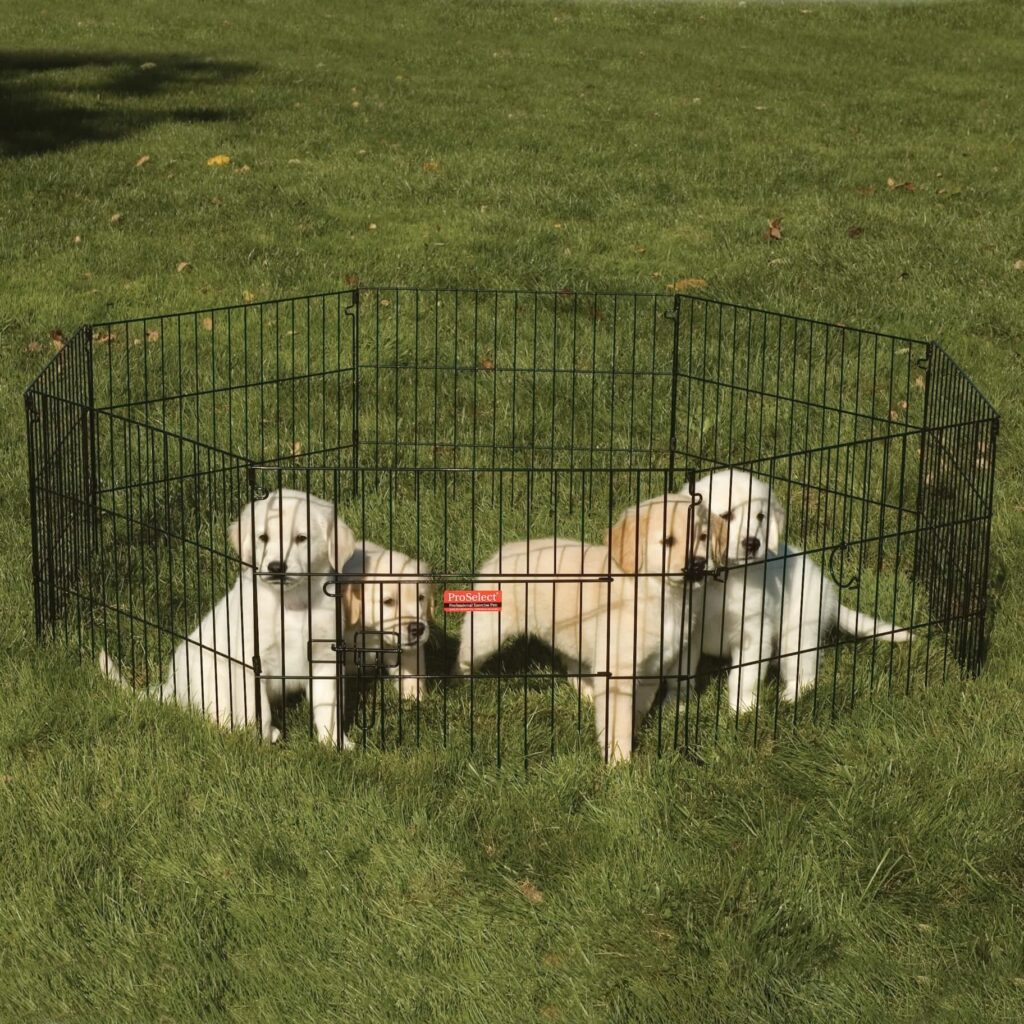
Why Puppy Socialization Matters The arrival of a new puppy is one of the most exciting and joyful events that a pet owner can experience. Whether it is the initial boisterous yell or the cute little paws that are going to play on your floors, it is all precious. However, in all the commotion, one crucial task that preconditions a long, happy, and well-behaved life for a dog is to socialize your puppy. Socialization does not only entail learning to play fetch or sit on command with your puppy. It is about getting them used to being confident, flexible, and at home in various environments, with people, and with other animals. When puppies are socialized at a young age, they are less likely to develop behavioral problems such as excessive fear, diva behavior, or anxiety. They also train better, feel more secure in social places, and are generally better company. This guide will cover all the information you need to know about socializing a new puppy, including when to do it, practical methods to use, common mistakes to avoid, and valuable products offered at PupzCorner that will make the process more comfortable and enjoyable for both you and your new puppy. For more information, please contact us. Source: yandex.com Understanding Puppy Socialization Tips The process of exposing your puppy to a variety of experiences, people, pets, environments, and everyday sounds in a positive and controlled manner is known as socialization. The crucial period of socialization is between the ages of 3 and 14 weeks. This is the period when puppies are particularly open to new things. Pro Tip: Never socialize without offering positive reinforcement, treats, praise, and affection to form strong, positive associations. The puppy training treats from PupzCorner are the best bet in this endeavor, and every encounter is enjoyable and fruitful. The Age of Starting the Socialization of Your Puppy Timing plays a crucial role in socialisation. It is an exercise that can begin at the moment of a puppy’s arrival at the house, which is typically about 8 weeks old, though some factors do matter: Also, ensure that your puppy has been vaccinated against the most important health issues, as health is always a priority. Add one new experience at a time, either a new toy, a member of the family, or a short walk outside. Brief, pleasant sessions are better than prolonged and upsetting sessions. Young pupils should be socialized effectively, and this paper provides five tips on how to do just that. 5 Effective Ways to Socialize Your Puppy: A Socialization Checklist Use these five proven methods and a socialization checklist to help your puppy grow into a confident, well-adjusted dog. 1. Introducing the puppy to people The puppies are to be shown to children, adults, and people wearing hats, sunglasses, or crazy clothes. Let your puppy go up to people when they are ready. Reward a kind and gentle demeanor with words of praise or comfort. Limit the time spent interacting at the beginning and extend it as time goes on. Pro Tip: Reinforce the positive behavior every time you meet a new person with PupzCorner puppy training treats. Puppies experience a key “social imprinting window” between 3–14 weeks old, during this time, every new person they meet helps shape their confidence for life! 2. Expose Your Puppy to Different Environments Take your puppy out to parks, streets, pet-friendly stores, and various areas at home. Benefits: Train your puppy to be comfortable with a lot of noise, such as traffic or the sound of vacuum cleaners. Develops confidence on various surfaces, including grass, concrete, and tile. Becomes less frightened by strange or startling circumstances. Product Suggestion: You can take your puppy safely into the busy streets or crowded places with the help of the PupzCorner-provided leash set for dogs, where you can keep your puppy safe and contained. 3. Arrange Playdates with Other Dogs Controlled playdates help your puppy understand boundaries, play etiquette, and social cues. Ensure all dogs are vaccinated and healthy. Start with one-on-one introductions before group play. Supervise all interactions closely to prevent fights or stress. Product Suggestion: Puppy spike balls are perfect for controlled indoor play sessions, giving your puppy a safe space to explore while interacting with other dogs. Source: yandex.com 4. Introduce Household Noises Gradually Everyday noises can be intimidating for young puppies. By desensitizing your puppy to household sounds, you reduce the risk of noise-related anxiety later in life. Common noises to introduce: Vacuum cleaners Washing machines Doorbells Kitchen appliances Method: Start with the noise at a low volume. Pair the experience with treats or toys to create a positive association. Gradually increase the intensity as your puppy becomes comfortable. Pro Tip: Interactive toys or chew toys from PupzCorner can help distract your puppy while they adjust to new sounds. 5. Practice Gentle Handling and Grooming Start touching your puppy’s paws, ears, and mouth from an early age to help them get used to it. Handle paws, ears, and mouth daily for a few minutes. Use treats and praise to reward calm behavior. Product Suggestion: A PupzCorner puppy grooming kit makes grooming a positive and stress-free experience, helping your puppy associate handling with fun and comfort. If you are interested in learning more about How to Get your dog trained, you can check our blog. Helpful Puppy Training Products for How to Socialize a Puppy Here are some must-have puppy training products available at PupzCorner that every new puppy owner should consider. 1. Puppy Training Treats Favors form the basis of positive reinforcement training. They encourage your puppy to behave well in new situations and interactions. 2. Puppy Playpens Controlled exploration depends upon the safety of the environment. Playpens will enable your puppy to explore new surroundings and be safe at the same time. 3. Puppy Harnesses and Leashes To safely socialize in the outdoors, a harness is required to be correctly fitted. Harnesses do not put strain on the
You’ve Got a Friend in Me

One of my favorite things in life is friendship. Friendship that’s unconditional, consistent, and accepting. That kind of friendship is such a gift, but it’s pretty tough to find this kind of friend. Thankfully, by the grace of God, I managed to do it, and I think you can too. Let me share a little about my best friend, I hope it leads you to yours. In March of 2020, at the height of the COVID pandemic, I moved into a new apartment in Dallas, Texas. The complex was one of the most well-known and well-loved in the city. Its trails and dog parks were consistently packed with residents and their pups. At the time, I wasn’t a dog person. I hated the feeling of greasy fur, slobbery licks, dirty hair and all the rest that comes with owning a furry friend. I loved the way that dogs looked though. Every time I’d pass one on the trails, I thought they were beautiful, unique, and I secretly always wished I would have one someday. I wished that I could get over my fear of the “uncleanliness” that came with being a pet owner. Who knew that a year and a half later, after the hardest year of my life, my wishes would come true. In August of 2020, I started my senior year of college and I was diagnosed with chronic depression and anxiety. I struggled with it all of my life, but it finally got to a point where I sought help and was directed towards medication as a solution. With all medicines, come side effects, but unfortunately I’m especially prone to them. A lot of the first ones I tried, I reacted very poorly too. My depression was at an all time high. I could get out of bed, but I was extremely lonely. I had no motivation for work, school, being social, and everything I used to enjoy felt pointless. To top it off, I was often physically alone in my apartment, which isolated me even more. At the time, my counselor had asked if I’d ever considered getting a pet to keep me company and I had quickly replied no. I couldn’t take care of myself, how could I take care of a pet? Plus, they were dirty, and that still bothered me. A year’s time had passed and I was doing slightly better mentally. I’d found a medicine that drastically reduced my anxiety, but depression was still a struggle. One day, in August of 2021, I was sitting alone in my apartment and a thought struck me. What if a dog could really help me not feel this way? I don’t want to be alone anymore. I’m tired of it. If you knew me, you’d know that I’m a very hyper-focused person when it comes to ideas. So I took off running with this thought. I looked up a local animal shelter and began looking at all the available dogs who needed homes. Some free advice, if you don’t really want a dog, let’s just say you should definitely not go looking at all their adorable faces online. It will pull on your heartstrings and you’ll cave. And yes, I’m speaking from experience. After looking at all their photos, I decided I was in fact going to get a dog, but there was one problem.How could I choose? A day later, I got a phone call from my mom. She had seen a post on the NextDoor website about a white American Pitbull named Taco. Taco was in a shelter and rescued by a local Dallas resident, but after a month, she couldn’t keep him anymore. She was looking for someone to take him, as he would have to return to a shelter if she couldn’t find anyone willing. I was hesitant at first, because I’m a pretty small girl and I’ve heard that pitbulls have a bad reputation, but once I saw one photo of him, I fell in love. I immediately messaged the women and three days later, I brought Taco home. The experience of bringing home a new friend was surreal, especially because of the situation. Taco was estimated to be about three years old at the time. I wasn’t given any information about where he came from, except the fact that he was probably abused by his previous owner and other dogs. It was pretty obvious too from the scratches, cuts and bruises that were on his body. Once I got him settled in my apartment, he was extremely shy and skittish. Afraid of every little noise, cautious to the touch and he stuck very close by the door in a corner where he felt safe. It was really sad to watch. However, as time passed, day after day, he began to warm up to me. We would wake up together in the mornings, go on long walks, play with new toys, cuddle on the couch and even sleep together at night (I was opposed to this at first, but come on, how can you say no to this face?). He slowly, but surely, became my best friend. Not only was Taco’s life-improving by the minute, but mine was too. The unconditional love that he showed helped me feel seen and cared for. I no longer felt lonely, as I was never alone! He didn’t leave my side, and he still never does. He is truly a loyal companion and he changed my life for the better. I never realized how much of an impact an animal could have on my life, but Taco saved me. He taught me responsibility, and how to care for myself so that I can care for another. He gave me a reason to get out of bed and to get out of the house. He made me smile with his goofiness even on the hardest days. I’ve had Taco for almost a year now, and everything’s the same. He’s my best friend and we
Get Your Puppy To Stay: Effective Dog Training
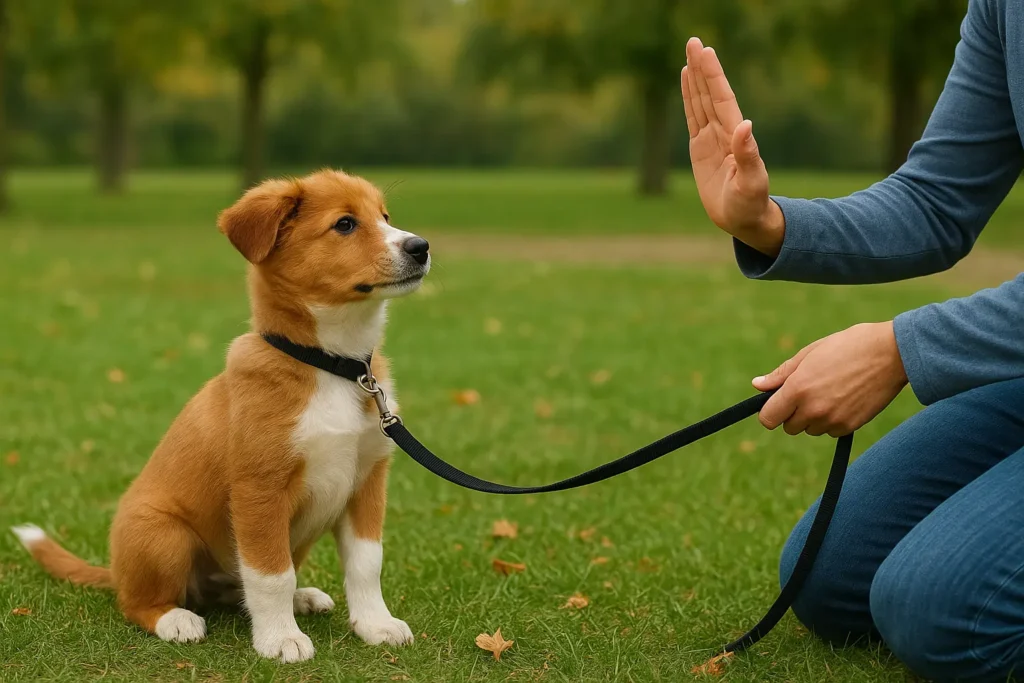
How Do You Train Your Puppy to Stay Effectively? Train Your Puppy to Stay is not easy. You see that there was a time when you had a puppy that waggled its tail and its eyes shone, and it was going to run away after a butterfly, or run to the front door when you opened it? Teaching your puppy to stay can be relatively easy, as it is one of the most effective obedience and safety training exercises. PupzCorner has no doubts about the excitement and fatigue that come with puppy training. It is not simply about discipline but also about the advancement of dialogue, patience, and trust between you and your little one, which is included in the stay command. We’ll walk you through it all, step by step: when to start, what to avoid, and how to handle those inevitable accidents when your pup cannot sit down. Join us as we guide you through how to train your puppy to stay, be safe, have fun, and be effective! Why Teaching the Stay Command Matters Although “stay” may not sound like a high-order command, it is one of the essential obedience skills your puppy will acquire. It plays a significant role in: Safety: Keep your puppy in control in the streets or other unsuitable areas. Discipline: This is what you can use to teach your dog patience and control impulsive behavior. Organizational: Eases the grooming, feeding, and walking. Bonding helps develop trust – your puppy learns to trust you. Socialization: This helps train your puppy not to panic around people or other pets. PupzCorner Observation: Puppies not only pick up commands but also learn from the tone and expression of their voice. One needs to stay positive and workable. When to Start Dog Behavior Training for Your Puppy to Stay The main question that everyone is curious about is when to start this, so here are a few key notes about it: Training begins at 8 to 12 weeks of age (however, old dogs can also be trained!). Keep the sessions to 5-10 minutes. When your puppy is not distracted, you should train him. You should focus on fun, consistency, and not perfection. Puppies cannot be trained without play, praise, patience, and encouragement. Puppy Training Tips for Beginners: Stay- Step-by-Step Guide. Ready to start? This is the step-by-step process of PupzCorner. Step 1 – Create the Perfect Training Area To create a quiet, distraction-free home environment, ensure there are no toys, television, or people present. Puppies learn faster when they can entirely focus on you. Keep sweets and a clicker (not obligatory). Establish a calm environment that doesn’t distract your pup. They will even feel safe on a light and smooth surface. The training area can be effectively set up with the help of a PupzCorner Removable washable cover seat, which is comfortable, washable, and facilitates the development of routine. Step 2 – Start Basic Puppy Commands Your dog should learn how to sit down and stay. Make your puppy sit, say the word, wait, and reward them. This preconditions your stay training, which creates a relaxed pose. Step 3 -Introduce the Word “Stay” When you have your puppy sitting, put your hand out like a stop sign. Say the word Stay in a monotonic, low but firm voice. Pause for 2–3 seconds. You must be ready to reward your puppy immediately when they remain still. If they move, don’t scold. Just reset and try again. Tip: Timing is key. You must never fail to reward your pup whenever it acts. Step 4 – Take One Step Back When your pup starts taking several seconds to stay, take a single step back. Repeat the reward in case they stay put. Repeat this process many times until your puppy understands that staying in the same place earns it a reward. This stage will help your dog understand distance and develop self-control. Step 5 – Slow Expansion of Space and Time Prolong the length and lengthen gradually. Stay for 5 seconds → 10 → 20 → 30 seconds. Take a step to the right of Room 2. You need to continue returning to your puppy to reward them. Patience is the saving of hastiness, deceives, or irritates. Step 6 – Add Real-Life Distractions Once you are perfect with your puppy, you can add a few obstacles, but not too many: Toss a toy nearby. Ask an individual to walk across the room. Whimper or open the door. Praise them by not focusing on the distraction. Suggestions: PupzCorner Puppy Training Treats are healthy and ideal for brief and recurring reward periods. Step 7 – Practice, Praise & Repeat or Reward-Based Dog Training The sessions are most suitable, being short and frequent, with 23 sessions a day, each lasting 5 minutes. You should always make the end of the session a good one, even though your puppy is only successful once. Celebrate progress! It is a long way to a smile of good stay, a cuddle. Once your puppy starts mastering basic commands like “stay,” it’s time to help them grow confident around people and other dogs. Read our guide on Socializing a New Puppy: Your Guide to a Well-Adjusted Dog to raise a happy, friendly, and well-behaved companion. Common Mistakes to Avoid Even parents who love their pets the most also make a few mistakes in training. The following are the ones to be careful about: Overtraining -Ironic puppies can be frustrated by very long sessions. The effectiveness of short and frequent sessions is more effective. Inconsistency -The problem of staying sometimes and not other times is confusing your puppy. Always follow through. Omission of basic commands – A pup should know how to sit before you learn how to stay. Punishment– Spanking is just a way of instilling fear. Instead, give praise to reasonable efforts and then re-initiate. Failure to use release words: You can always use a word like “okay” or “free” to let