Complete Cat Sweater Guide for Warm Indoor Cats | PupzCorner
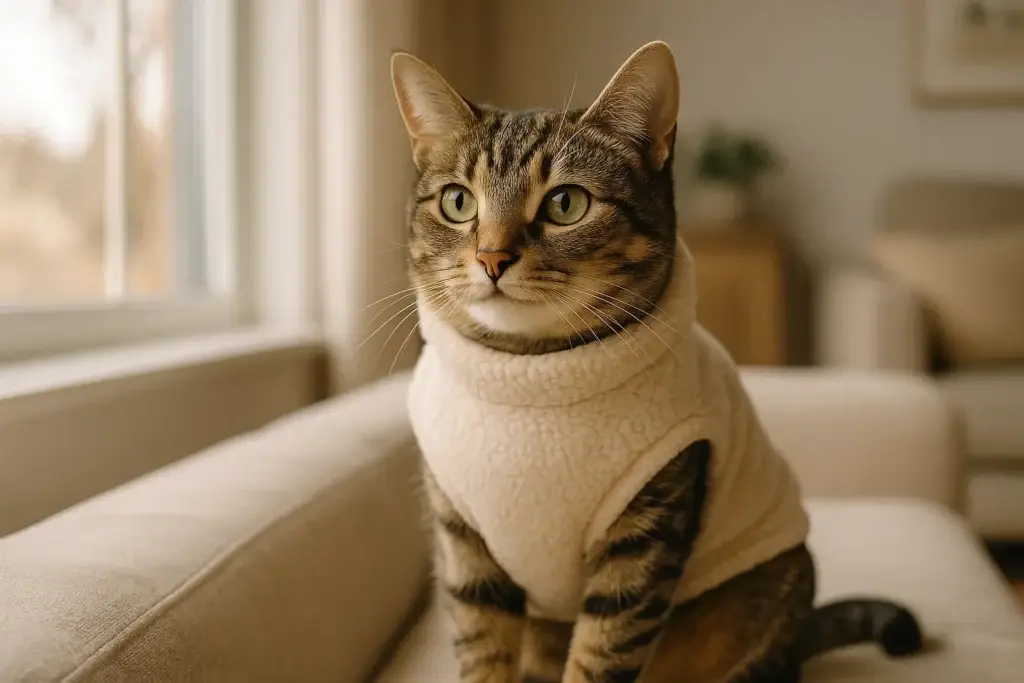
Cat Sweater Guide: Keep Your Kitty Cozy, Safe & Stylish Ever watched your cat curl into a tight ball, shivering near a drafty window, and wondered if a cat sweater would help? Many cat parents love the idea of a cozy, dressed-up kitty but worry about safety, comfort, and whether their cat will even tolerate clothes. The truth sits somewhere between “cute outfit” and “essential layer,” especially for small, short-haired, or senior cats. At PupzCorner, we blend expert-backed pet care advice with carefully curated products so you can choose a sweater that is more than a photo prop. Our goal is to help you keep your cat warm, relaxed, and safe, while giving you confident choices about what to put on their body. In this guide, you will learn when a sweater on cat is actually helpful, how to choose the right fit and fabric, and why our featured PupzCorner sweater set can be a smart, flexible option for small cats and kittens. How to Choose the Perfect Cat Sweater A good cat sweater should feel like a soft, gentle hug, not a stiff costume. Focus on three things: fit, fabric, and design details. When these are right, your cat is far more likely to accept wearing it for short, supervised periods. Getting the Right Fit Fit is non-negotiable. A sweater that is too tight can pinch under the front legs and around the neck. One that is too loose can twist, slip, or get caught on furniture. Measure your cat’s neck, chest, and back length before buying. Look for designs that have a bit of stretch and a simple vest or pullover style. This allows your cat to walk, jump, and groom comfortably. A well-fitted cat in sweater should still be able to move its shoulders freely and sit or lie down in natural positions. Expert Tip: If your cat cannot move normally, the sweater does not fit, no matter how cute it looks. Best Materials For Comfort Fabric matters as much as sizing. Soft fleece and knit materials are usually best for a cat sweater because they are warm yet lightweight. Avoid anything very heavy, stiff, or scratchy that could irritate the skin. Breathable, slightly stretchy fabrics help prevent overheating and make dressing easier. For sensitive cats, choosing a smooth inner surface reduces friction on the coat. If your cat has allergies or delicate skin, talk to your vet about suitable materials before committing to regular sweater use. Style Options: Black Cat Sweater, Vintage Cat Sweater & More Once comfort and safety are covered, then you can have fun with style. Some owners love the sleek look of a black cat sweater, especially on light-colored cats. Others prefer playful prints or a vintage cat sweater pattern that looks like something from an old family photo. Graphic knits that feature a sweater with a cat design can be a fun nod to your feline obsession, but avoid anything with loose threads, sequins, or heavy embellishments that a curious cat might chew. Simple designs are usually safer and more comfortable, especially for cats new to wearing clothes. PupzCorner’s Cozy 4-Piece Sweater Set For Small Cats One of the easiest ways to build a mini wardrobe for your cat is to choose a pack that offers multiple designs with the same reliable fit. That is exactly what you get with the 4 Pieces Winter Fabric Dog Sweater with Leash Ring available at PupzCorner. Although it is marketed for small dogs, the cut and sizing make it a great option for many small cats and kittens. The soft fleece vest style keeps the chest and back warm without bulky sleeves, which is important for cats that dislike anything around their legs. The built-in leash ring is helpful for short, supervised outdoor walks on a harness and leash. Because you get four different designs, you can rotate sweaters while others are in the wash, and choose patterns that match your cat’s personality, from plaid to camouflage. This makes it easier to keep your cat sweater clean, fresh, and ready whenever the temperature drops, without overusing a single piece. If you want a practical starter set that balances warmth, comfort, and value, this PupzCorner pick is a smart place to begin. Do Cats Really Need a Sweater? Some cats do perfectly fine without any clothing. Others genuinely benefit from a light, warm cat sweater during colder months or in air-conditioned homes. Understanding the difference will keep your cat comfortable instead of annoyed. Short-haired breeds, hairless cats, kittens, seniors, and underweight cats are more likely to feel the cold, as highlighted in trusted veterinary advice on how cats handle low temperatures from PetMD. If your home has tile floors, drafts, or strong AC, your cat might appreciate an extra layer, especially during naps or quiet evenings. Key idea: Sweaters should support your cat’s comfort, not replace basic warmth like a cozy bed or blanket. Signs Your Cat Might Benefit From a Sweater Here are some common clues that a cat in sweater could be a good idea: Your cat shivers, seeks warm spots, or curls very tightly when resting. Ears and paw pads often feel cool to the touch in colder weather. Your cat is a kitten, senior, very small, or has a thin coat. Your vet has mentioned low body weight or difficulty keeping warm. If you see several of these signs, a light cat sweater used correctly and in moderation can be a real comfort booster. When a Sweater on Cat Is a Bad Idea Not every cat should wear clothing, even if it looks adorable. Some cats become extremely stressed when dressed, freeze in place, or try frantically to escape. That stress alone is a strong reason to skip sweaters. Avoid putting a sweater on cat if they have skin infections, healing wounds, severe matting, or breathing issues. Clothing can trap moisture, rub against sensitive areas, or limit natural movement. If your cat pants, hides, or refuses to walk while wearing
Cat Food Guide: Diets, Human Foods & Safety | PupzCorner
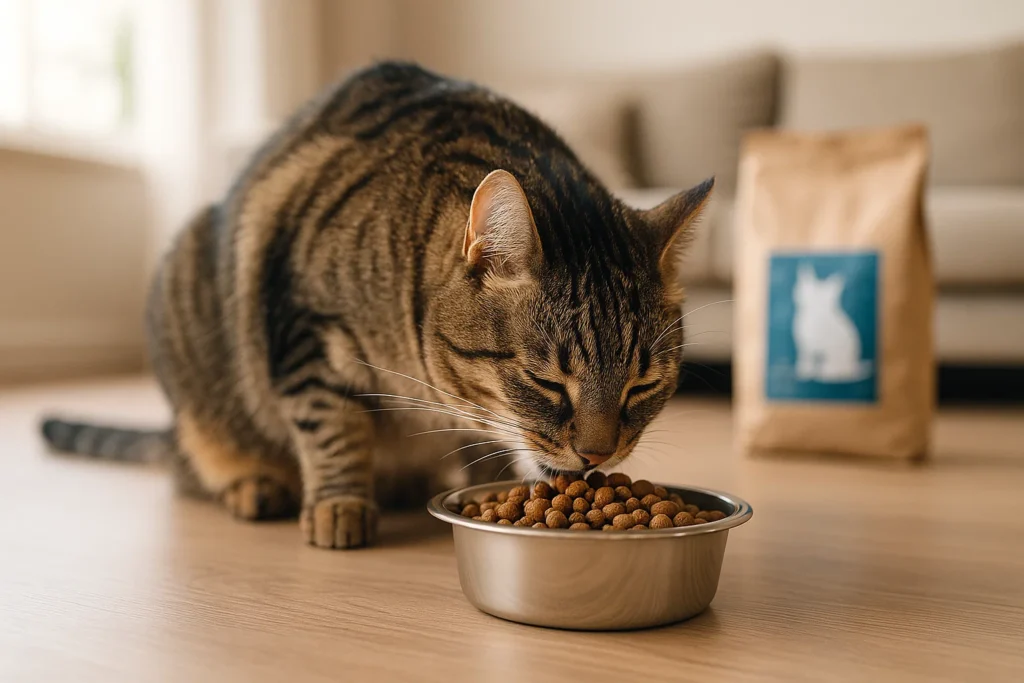
Cat Food Guide: Safe Choices, Human Foods And Feeding Guide You walk down the pet aisle and see shelves packed with cat food. High protein, grain free, indoor, hairball, premium pouches that look like human meals, budget bags from the grocery store and boutique options you only see on Chewy. Meanwhile, your cat smells everything and walks away like you offered cardboard. At PupzCorner, we know feeding your cat is not just about filling a bowl. It is about choosing food that matches what a true obligate carnivore needs, while staying realistic about budget, lifestyle and picky feline habits. That is why we pair expert backed education with carefully chosen products that actually work in real homes. In this guide, you will learn what makes a good food, how to compare dry vs wet vs premium options, where brands like Purina, Fancy Feast and newer names such as Smalls cat food fit into the picture, and why cat and dog diets are not interchangeable. In the second half, we will cover how long can cats go without food, what human food can cats eat, and practical feeding guide. What Makes A Good Cat Food? Complete, Balanced And Species-Appropriate Understanding cat “complete and balanced” food The most important phrase on any food of cat label is “complete and balanced.” That statement means the food meets recognized nutrient profiles, such as AAFCO standards, for a specific life stage. A complete and balanced diet provides all essential amino acids, fats, vitamins and minerals in the right ratios, without constant topping up from supplements. Cats are obligate carnivores. They need more protein than dogs and rely on nutrients such as taurine and pre formed vitamin A that come from animal tissue, not plants. A high quality food starts with animal protein, not fillers, and clearly states that it is formulated according to AAFCO or equivalent guidelines. When you compare a big box or Chewy cat food option with a premium brand, look beyond marketing words like “natural” and go straight to that nutritional adequacy statement. If it does not say complete and balanced for your cat’s life stage, it should not be the main diet. Wet vs dry cat food vs mixed feeding Cat owners often ask which is better: dry or wet cat meals. The honest answer is that both have strengths and weaknesses. Dry food is convenient, usually more affordable per calorie and easy to store. Quality dry diets that are complete and balanced can support long term health, especially when they are high in animal protein. Wet cat meals offer much more moisture, which matters because many cats drink poorly. Canned diets can help support urinary tract health and are often more attractive to picky or older cats. Popular lines like Fancy Feast cat food and various Purina cat food pouches and cans fall into this category, and when they are labelled complete and balanced they can be used as a primary diet, not just a treat. Many vets now recommend mixed feeding: using dry cat nutrition food for convenience and calories, and adding wet meals to boost moisture and variety. The right combination depends on your cat’s age, weight, teeth, kidney function and personality. Types Of Cat Food And How To Choose For Your Cat High-protein dry cat meals for everyday feeding For many healthy adult cats, a high protein dry cat meals is the everyday workhorse. The goal is a formula that lists real meat or meat meal near the top of the ingredient list, meets AAFCO profiles for your cat’s life stage and avoids excessive cheap fillers. A product like the Complete High Protein Dry Cat Food With Real Chicken on PupzCorner is designed for exactly this role. The real chicken base supports muscle maintenance, while the complete and balanced formulation means you can feed it confidently as a core diet. Pair it with fresh water at all times and you have a strong daily foundation. If you are currently feeding a very basic supermarket brand, upgrading to a more thoughtfully formulated high protein cat meals is often one of the simplest health wins you can give your cat. Natural and sensitive-stomach dry cat food Some cats have sensitive digestion, dull coats or mild food intolerances. For them, a “natural” high quality cat meals with clearly listed proteins and fewer unnecessary additives can make a visible difference. The Natural Dry Cat Food Tender Selects Blend With Real Salmon available at PupzCorner focuses on real salmon and a gentler recipe that still hits those complete and balanced requirements. Salmon based formulas can support skin and coat, which is helpful if your cat struggles with dryness or seasonal shedding. Whether you choose chicken based or salmon based dry cat meals, the key is that it delivers all essential nutrients, not just a nice flavour description on the front of the bag. Wet cat food, pâté and mousse for hydration and picky eaters Wet cat food plays a crucial role in many modern feeding routines. Canned and pouch foods typically contain around 70 to 80 percent moisture, far more than dry kibble. For cats that are prone to urinary issues or simply prefer soft textures, this hydration is a real advantage. On PupzCorner, the Purina Wet Cat Food gives you multiple flavours and textures in one box, similar in spirit to popular Purina cat meals and Fancy Feast cat nutrition assortments that many cats love. You can also step up the texture game with Gems Pâté Cat Food Mousse and additional mousse assortments, which offer ultra smooth meals for seniors, dental patients or fussy eaters. You can feed these wet foods as full meals or mix a spoonful into dry cat food to boost aroma, flavour and moisture. Just be sure each product is labelled complete and balanced, or factor it into the overall daily nutrition plan if it is a complement only. Smalls feline food, fresh diets and raw diet cautions Premium fresh style formulas, including brands like Smalls
Dog Antibiotics Guide | Safe, Natural Support | PupzCorner
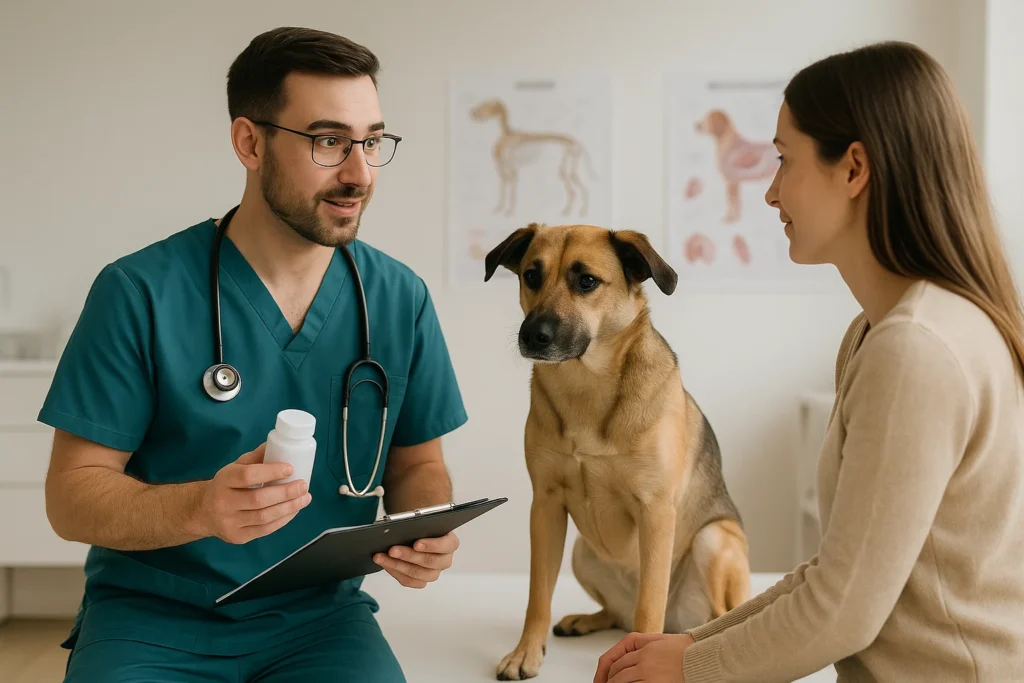
Dog Antibiotics: Safe Use, Side Effects And Natural Support Your dog suddenly has an infection, the vet mentions medication, and your mind goes straight to worry. Do dog antibiotics really help, or are they overused? Is it safe to use that triple antibiotic ointment from your own first aid kit? Can dogs take human antibiotics if you just adjust the dose at home? At PupzCorner, we focus on clear education plus carefully selected, vet friendly supplements so dog owners can make safer decisions. Our goal is to help you understand antibiotics for dogs, support your pup’s recovery and reduce the chances of future problems. In this guide, you will learn what antibiotics actually are, when they are truly needed, how they are used for UTIs and bite wounds, when dog bite antibiotic ointment is helpful, whether human antibiotics are ever safe, and how natural support can protect your dog’s gut, skin and immune system. What Are Dog Antibiotics And When Do Dogs Really Need Them? How antibiotics for dogs work Dog antibiotics are medications that kill bacteria or stop them from multiplying. Vets prescribe antibiotics for dogs when there is a suspected or confirmed bacterial infection, such as a urinary tract infection, skin infection or pneumonia. They do not treat viruses, allergies or simple irritation. Different antibiotics work in different ways. Some damage bacterial cell walls, others block protein production or interfere with bacterial DNA. What matters for you is that they are powerful, targeted tools that must be used exactly as prescribed. Misuse can harm your dog and contribute to antibiotic resistance that affects both pets and people. A good vet will not hand out dog antibiotics “just in case”. They will look at your dog’s symptoms, run tests where needed and pick a medication that fits that specific infection. Common infections treated with dog antibiotics This is the first heading where we will use bullets. Vets often use antibiotics for dogs to treat: Urinary tract infections (UTIs) Skin infections such as hot spots, abscesses and infected wounds Ear infections when bacteria are present Respiratory infections, including pneumonia and some cases of kennel cough Dental and gum infections Post surgical infections or contaminated wounds, including some dog bites Even within these categories, not every case needs medication. A mild superficial skin irritation might respond to topical care alone, while a deep infected bite almost always needs systemic dog bite antibiotics. The decision always comes back to a proper veterinary exam. Key takeaway: Antibiotics should follow a clear veterinary diagnosis, not guesswork or Google. Types Of Dog Antibiotics Vets Commonly Prescribe Oral antibiotics for dogs This is the second and last heading where we will use bullets. Most dog antibiotics are given by mouth as tablets, capsules or liquids. Some of the most commonly prescribed options include: Amoxicillin or amoxicillin clavulanate for many skin, urinary and respiratory infections Cephalexin and other cephalosporins for skin and soft tissue infections Doxycycline for tick borne diseases and some respiratory infections Clindamycin for dental infections and certain wounds Metronidazole for specific gastrointestinal infections and diarrhea with bacterial overgrowth These medicines are dosed by body weight and condition. Your vet chooses the drug, amount and duration based on the type and location of infection, your dog’s age and health status and any lab work such as cultures or sensitivity tests. Giving any of these antibiotics for dogs without a vet’s guidance is risky and can easily do more harm than good. Antibiotics for UTI in dogs Urinary infections are one of the most frequent reasons vets prescribe antibiotics for UTI in dogs. Typical signs include more frequent trips to urinate, straining or crying during urination, blood in the urine, strong odour or cloudy urine and sometimes accidents indoors in a previously house trained dog. When possible, vets like to confirm a UTI with a urine sample and sometimes a culture. Current guidelines, such as those discussed in PetMD’s overview of urinary tract infections in dogs, often support amoxicillin or certain first line cephalosporins as initial choices for uncomplicated UTIs, with treatment usually lasting from a few days up to a couple of weeks depending on the case and the dog’s response. For owners, a few points matter most. Never start leftover dog antibiotics or human pills for a suspected UTI. Do not stop early just because the symptoms improve, because surviving bacteria can become harder to treat. Always recheck with your vet if signs return shortly after finishing antibiotics for UTI in dogs, since that may point to resistance or a deeper bladder or kidney problem. Dog Bite Antibiotics, Ointments And Wound Care When do dog bite antibiotics become necessary? Any dog bite, whether from another dog or a different animal, carries a much higher infection risk than a simple scratch. Bites create deep punctures that trap saliva and bacteria under the skin, where they multiply quickly. That is why vets often reach for dog bite antibiotics after carefully cleaning the wound. You should treat deep puncture wounds, tearing of the skin, painful swelling around the bite, or signs like fever, lethargy and loss of appetite as clear reasons to call your vet urgently. In many of these situations, oral dog bite antibiotics such as amoxicillin clavulanate or another broad spectrum drug are paired with pain relief and proper wound management. Even small looking bites can develop infection within one to three days. The safest approach is to treat every bite as serious until your vet has examined it and advised you otherwise. Dog bite antibiotic ointment vs oral meds Many owners hope they can handle bites at home with a dog bite antibiotic ointment. For very minor, surface abrasions, a thin layer of topical ointment may help protect the area from infection, if your vet approves. For true puncture wounds, however, ointment alone is not enough. A superficial scrape that barely breaks the surface of the skin can often be gently cleaned with saline or a vet approved cleanser, with a small amount
Dog Seat Cover Guide | Best Waterproof Car Protection
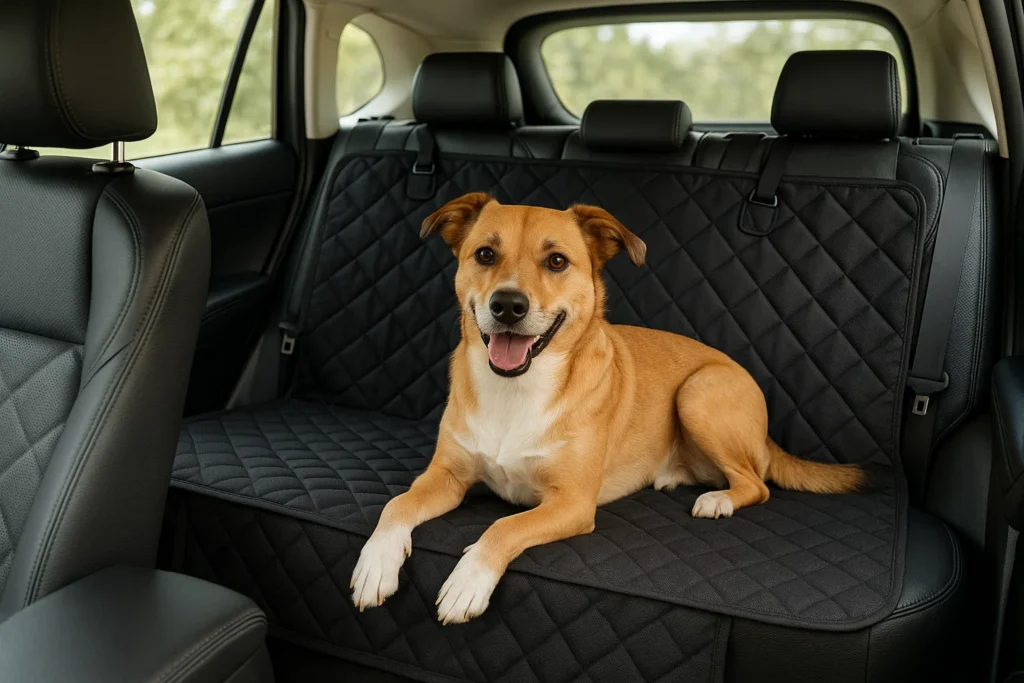
The Ultimate Guide to Choosing the Best Dog Seat Cover Ever looked at your back seat after a quick trip with your dog and wondered how so much fur, dirt, and claw marks appeared so fast? You are not alone. Every pet parent knows the struggle of keeping the car clean while making sure their dog is safe and comfortable during rides. A high quality dog seat cover solves this messy and expensive problem before it even starts. At PupzCorner, we help dog owners travel with confidence by combining expert guidance with carefully selected, vet trusted products that protect your car and make every ride more enjoyable for your furry friend. Our goal is to make pet care easy, practical, and stress free. In this guide, you will learn why a dog seat cover is essential, how to choose the right one, how to install it properly, and the best way to keep it clean. You will also discover the benefits of our premium waterproof dog car seat cover designed for all types of vehicles. Why a Dog Seat Cover Is Essential for Every Pet Parent A dog car seat cover is more than a simple fabric layer. It is a protective barrier that saves your vehicle from long term wear and unexpected messes. Protects Your Car From Dirt, Fur, and Scratches Dogs shed, climb, dig, shift their weight, and carry dirt without even realizing it. A back seat dog cover shields your upholstery from stains, mud, spills, and sharp claws that can easily damage leather or fabric seats. The right cover also prevents fur from embedding into the fibers of your car seats, which makes cleaning much easier after every trip. A waterproof and scratch resistant option like the PupzCorner Dog Seat Cover provides complete protection for cars, SUVs, and trucks. Its heavy duty layers offer the durability pet owners need for daily travel, vet visits, and long road trips. Creates a Safer and More Comfortable Ride for Your Dog Safety matters as much as cleanliness. A secure car seat cover for dogs prevents your pup from sliding or losing balance when the car stops or turns. The non slip base and seat anchors help stabilize the surface, giving your dog confidence and comfort throughout the ride. According to the American Kennel Club (AKC), dogs should be safely contained to prevent distractions and injuries during travel. A hammock style seat cover supports this by creating a cozy enclosed space that helps reduce anxiety and prevents falls between the seats. Key takeaway: A quality dog seat cover protects your vehicle and improves safety for your pet. Types of Dog Seat Covers and How to Choose the Right One The right dog seat cover depends on your car type, your dog’s behavior, and how often you travel. Understanding the main categories will help you make the best choice. Back Seat Covers for Dogs A dog back seat cover is the most common and versatile option. It protects the entire bench seat and usually includes side flaps that cover door panels too. This style is ideal for daily use, muddy paws, and medium to large breeds that need extra room to stretch. Hammock Style Dog Seat Covers A hammock style cover attaches to both the front and rear headrests, creating a comfortable sling. This design prevents your dog from falling into the footwell while also protecting the backs of the front seats. The PupzCorner waterproof hammock dog seat cover is a perfect example of this design. It adds stability, comfort, and full back seat coverage while keeping your car clean. The built in storage pocket also holds treats, leashes, and travel essentials. If you want to explore more travel accessories, you can also browse our curated pet care range on PupzCorner for easy and safe journeys. Bench Seat Covers vs Bucket Seat Covers Bench seat covers are made for rear seats in sedans and SUVs, while bucket covers fit individual seats. They work well for multi-dog households or larger breeds, whereas bucket covers are ideal for front seat use or small dogs. Key takeaway: Choose the seat cover style that matches your car layout and your dog’s travel habits. How to Install a Dog Seat Cover Step by Step Installing a dog seat cover is simple when you know the right steps. A good installation ensures safety, comfort, and complete coverage. Step by Step Installation Guide Attach the straps around the rear headrests. Smooth the cover across the seat and secure the seat anchors. Adjust the side flaps to cover the doors if available. Clip the front headrest straps if using a hammock style. Check for a snug, wrinkle free fit before placing your dog inside. The entire process takes less than two minutes and creates a stable protective surface for travel. Explore enrichment ideas and playtime essentials in the PupzCorner cat toys guide to keep your feline active and stimulated. How to Install an URPOWER Dog Seat Cover If you are searching for how to install an URPOWER dog seat cover, the steps are similar. However, many users report issues with sizing and loose fit. PupzCorner’s upgraded waterproof seat cover solves this by offering a universal fit that works for all car types with stronger straps and a better non slip grip. Key takeaway: Proper installation ensures your dog stays secure and your car stays protected. How to Clean a Dog Car Seat Cover the Right Way Keeping your dog car seat cover clean protects your car from lingering odors, dirt buildup, and bacteria. Regular cleaning also helps extend the lifespan of waterproof fabrics and anti slip materials. Quick Cleaning for Daily Use For everyday messes, a simple routine works best. Use a handheld vacuum or lint roller to lift loose fur and crumbs. For paw prints or small spills, wipe the area with a mild soap solution and a soft cloth. This keeps the surface fresh without removing the cover from your car. Deep Cleaning for Long Term Care
Dog Body Language Guide: Decode Tail, Ears & More
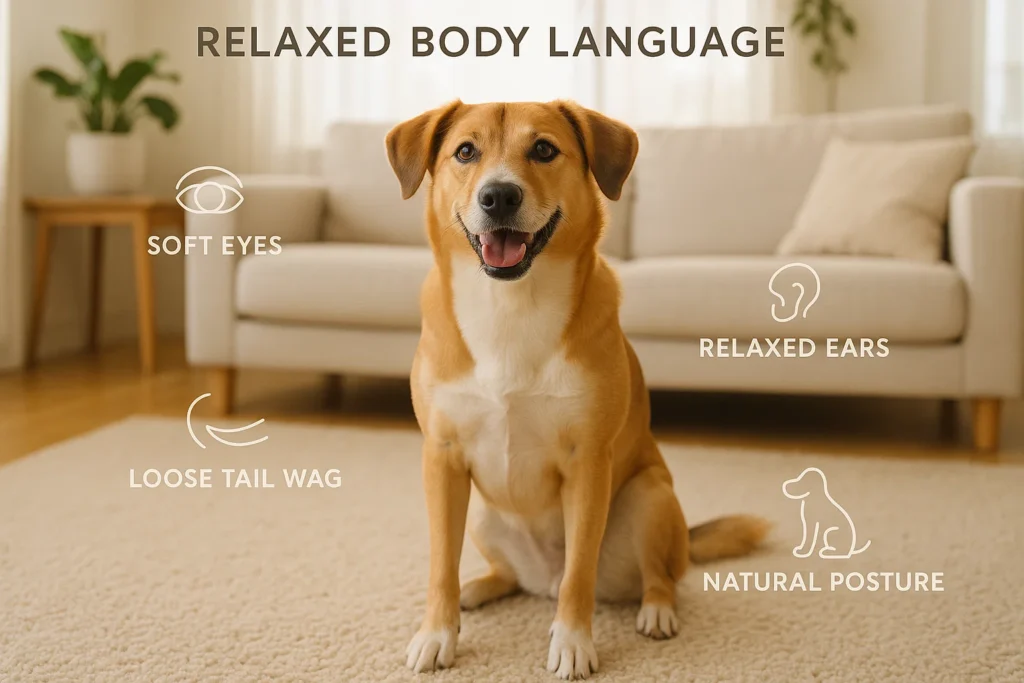
Understanding Your Dog’s Body Language: Complete Guide Ever caught your dog staring at you with those soulful eyes, wondering what they’re trying to say? You’re not alone every tail wag, ear position, and subtle shift in posture is your dog’s way of communicating with you. Understanding dog body language isn’t just fascinating; it’s essential for building a deeper bond and keeping both you and your furry friend safe and happy. At PupzCorner, we believe that confident pet parenting starts with knowledge. That’s why we combine expert advice with carefully curated, vet-approved products to help you understand and care for your dog like never before. When you can read your dog’s signals, you respond with empathy not guesswork. In this comprehensive guide, you’ll discover how to interpret dog tail body language, decode dog ear body language meaning, recognize aggressive dog body language, and understand the complete dog body language chart of signals your pup uses daily. Why Dog Body Language Matters Dogs don’t speak our language, but they’re always communicating through body signals. Every wag, flick, and posture shift carries meaning. By learning to read these signals, you’ll know when your dog is nervous, playful, or needs space. Many common problems biting, anxiety, and disobedience, arise from miscommunication. We often misread signals, assuming a wagging tail always means happiness or a rolled-over dog wants belly rubs. Understanding these nuances transforms your relationship and prevents misunderstandings. According to the American Veterinary Medical Association, recognizing stress signals prevents bite incidents and improves pet welfare. Regular grooming sessions are perfect for observing dog body language tools like PupzCorner’s Flea Comb with Rubber Handle help you stay connected during care routines. Dog Tail Body Language: What Your Dog’s Tail Is Really Saying The tail is one of the most expressive yet often misunderstood parts of a dog’s communication. Understanding body language dog tail meaning requires paying attention to tail height, speed, direction, and the dog’s overall body tension. Loose Side to Side Wag A loose wag that sweeps naturally from side to side signals friendliness and happiness. You’ll see this when you come home, offer affection, or pick up the leash. The tail moves freely along with relaxed hips, creating that full-body wiggle dogs use to show joy. Fast High Stiff Wag A fast wag held high and stiff communicates arousal or alertness. This version of dog tail body language is common when a dog feels tense or unsure. When dogs meet and one displays this signal, it is a warning rather than an invitation to play. Slow Wag with Low Position A slow wag combined with a lowered tail typically indicates uncertainty. The dog is evaluating the situation, often seen when meeting new people or exploring new spaces. Tucked Tail A tail pulled tightly between the legs is a strong sign of fear or submission. Dogs display this when they feel unsafe, such as during thunderstorms, fireworks, or stressful veterinary visits. Relaxed Natural Tail A tail that hangs naturally without excessive movement shows the dog is calm, neutral, and content. The American Kennel Club notes that context, breed type, and overall posture are essential in understanding dog body language, since different breeds carry their tails differently. Dog Ear Body Language: Listening Through Position Dog ears act like emotional radar, pointing toward areas of focus and revealing how a dog feels in the moment. Interpreting dog ears meaning body language gives immediate insight into your dog’s comfort or stress levels. Ears Pushed Forward When ears point forward, your dog is alert, curious, and focused on something interesting. This usually means they are gathering information and preparing to respond to whatever has caught their attention. Ears Pulled Back Ears pulled back and flattened against the head indicate fear, stress, or submission. This form of dog ear body language is common during vet visits or loud events such as fireworks, when dogs feel overwhelmed or unsafe. Relaxed Natural Ears Relaxed ears that hang naturally in a breed-typical way show comfort and security. A relaxed German Shepherd looks different from a relaxed Cocker Spaniel, but in both cases, the absence of tension signals calm contentment. According to PetMD, dog ear body language combined with other signals creates a complete emotional picture. Maintain overall health with PupzCorner’s Eye Cleaner for Dogs during wellness routines. Reading Your Dog’s Eyes and Facial Expressions Eyes and mouth movements are powerful indicators of how a dog feels. Recognizing these expressions helps you understand your dog’s comfort, stress levels, and intentions. Soft Eyes and Whale Eye Soft, slowly blinking eyes show deep trust and comfort. When your dog looks at you this way, they feel completely safe. Wide eyes that reveal the whites, known as whale eye, indicate fear, stress, or discomfort. This is a sign your dog is uneasy and may react defensively if the situation continues. Eye Contact Signals Most dogs avoid direct eye contact as an expression of submission, signaling that they are not a threat. A hard, unwavering stare communicates the opposite. When paired with a stiff body, this is a serious warning that your dog may act defensively. Relaxed Mouth and Stress Signs A relaxed, open mouth with the tongue hanging out represents happiness and contentment. Lip licking, in many cases, is not hunger but a sign of stress or self-soothing. Yawning in tense situations also indicates anxiety and an attempt to release tension. When lips pull back to expose teeth, it is a clear warning that your dog feels threatened and needs space. The studies emphasizes eye signals combined with posture create complete communication. Maintain eye health with PupzCorner’s Eye Cleaner for clear, comfortable vision. For more insights on caring for your pup’s comfort and style, explore our complete Dog Clothes Guide. Aggressive Dog Body Language: Recognizing Warning Signs Understanding aggressive dog body language prevents dangerous situations. Aggression often stems from fear, resource guarding, or protective instincts, not meanness. A suddenly frozen, rigid body displays high-level stress or preparation to react. Standing tall with forward weight, raised
Dog Clothes for Every Season | Stylish & Comfortable Outfits
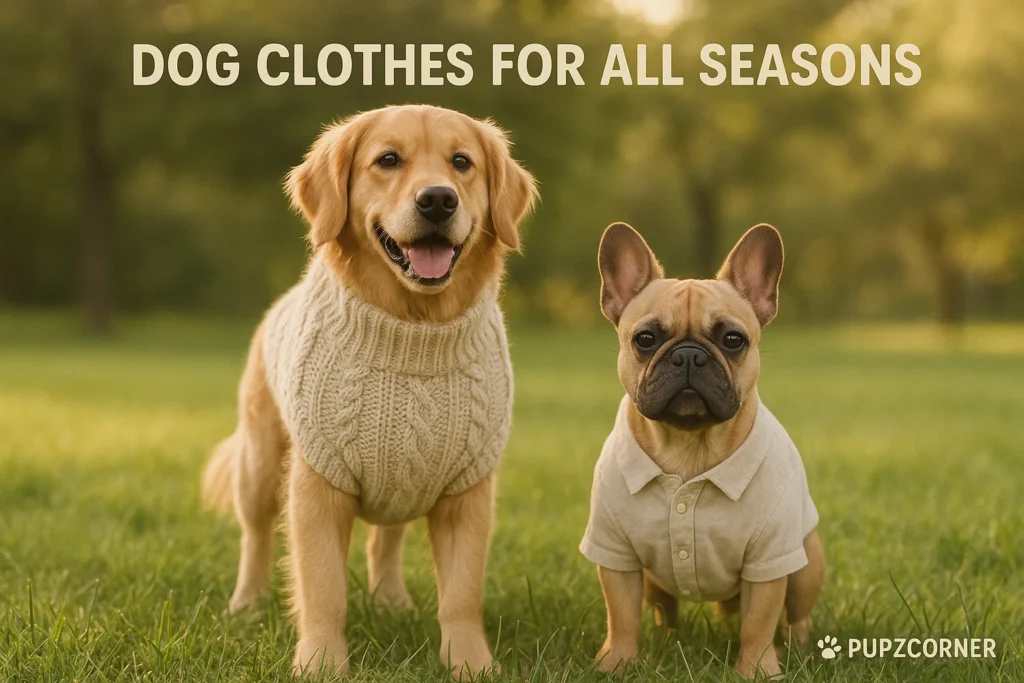
Dog Clothes: Stylish, Comfortable, and Functional Fashion for Every Pup Ever caught your pup shivering on a chilly walk or overheating in the summer sun? Many dog owners think clothes are just for fun photos but in reality, the right outfit can make a world of difference in your dog’s comfort, protection, and style. From cozy sweaters to breathable bandanas, modern dog clothes combine fashion and functionality to keep every pup looking adorable and feeling great. At PupzCorner, we combine expert advice with vet-approved, high-quality products to help you dress your furry friend with confidence. Whether you’re searching for big dog clothing, lightweight summer outfits, or festive Christmas clothes for dogs, our curated collection ensures the perfect fit for every breed and season. In this guide, you’ll discover how to choose the best dog clothing for comfort and safety, explore seasonal and size-specific options, and learn practical tips on managing dog hair on your clothes. Why Dog Clothes Matter for Comfort and Protection Gone are the days when dog clothes were purely decorative. Today’s designs are crafted with canine anatomy, skin health, and temperature regulation in mind. Whether your dog is a sleek short-haired breed or a fluffy giant, the right apparel can make everyday life safer and more comfortable. According to the American Kennel Club (AKC), dog clothes can play an important role in preventing cold stress and maintaining healthy body temperature, especially for small or short-coated breeds. Warmth and Weather Protection Small and short-coated dogs, like Chihuahuas or Greyhounds, lose body heat quickly in cold weather. On the flip side, long-haired breeds may overheat under the summer sun. Breathable cotton shirts or lightweight dog clothes help regulate temperature and prevent irritation. For colder months, cozy fabrics like fleece or soft knitwear help maintain warmth without restricting movement. Always ensure that your pup’s clothing fits snugly but isn’t tight around the chest or neck. Expert Insight: “Properly fitted dog clothing prevents hypothermia, heat stress, and even skin abrasions caused by rubbing harnesses,” explains the PupzCorner Care Team. Cleanliness and Coat Management Another major benefit of dog clothes is keeping your home and wardrobe cleaner. Covering your dog’s fur helps trap loose hair, reducing the amount that sticks to your furniture — and to your own clothes! This is especially useful for black or dark clothing, where dog hair tends to show the most. If you have a larger breed, consider our big dogs clothing options designed to protect both your pup and your outfits. Try this: Our 3pcs Cute Floral Dog Dresses (XL) offer a breathable and stylish solution for warm days while keeping shedding under control. How to Choose the Perfect Dog Outfit (Size, Season, and Style) Selecting the right dog clothing is more than a fashion statement it’s about safety, comfort, and your dog’s unique personality. The right fit ensures your dog can walk, run, and play freely, while the right material keeps them cool or cozy depending on the weather. Size and Fit – Getting the Measurements Right The first step to buying the perfect dog clothes is knowing your dog’s measurements. Use a flexible tape to measure: Neck circumference – where the collar naturally sits Chest girth – the widest part behind the front legs Back length – from the base of the neck to the tail For big dog clothing, sizing accuracy matters most. Large breeds like Labradors or German Shepherds often need adjustable or stretch-fit materials for unrestricted movement. Smaller breeds, on the other hand, benefit from lightweight fabrics that don’t overwhelm their frame. Pro Tip: If your dog falls between two sizes, always size up for comfort. PupzCorner’s size charts make it easy to find your perfect match. Seasonal Picks – From Summer Breezes to Christmas Cuddles Each season calls for a different approach to dog clothing. In the warmer months, focus on breathable materials such as cotton and mesh that prevent overheating. Accessories like our Summer Dog Bandana XL – Yellow & Blue Plaid are perfect for large breeds who prefer minimal coverage while still looking chic. When winter rolls in, soft fleece and insulated fabrics help retain warmth. And of course, the holidays are the perfect excuse to dress up your pup in festive Christmas clothes for dogs. From adorable costumes to cozy themed sweaters, you’ll find plenty of options at PupzCorner to make your dog the star of your holiday photos. Disney Minnie Mouse Pet Costume (M/L) perfect for festive photos and themed parties. Peppa Pig Dog Costume (Small, Pink) a fun and comfortable choice for smaller pups. Style Guide – Reflecting Your Dog’s Personality Fashion isn’t just for humans dogs have personalities too! Choose patterns and colors that match your pet’s character. For bold, confident breeds, black dog clothing offers a sleek, timeless look. For playful pups, floral prints or cartoon themes can express their joyful energy. PupzCorner’s wide range of dog clothes blends practicality and personality, so every pup can strut their stuff comfortably and safely. Key Takeaway: The best dog clothing doesn’t just look good it protects your pup, reduces shedding mess, and keeps them comfortable in every season. PupzCorner makes finding that perfect balance easy with stylish, vet-approved designs for every breed and size. How to Get Dog Hair Out of Clothes — Proven Tips & Tools If you love snuggling with your pup, you’ve probably faced the classic struggle: dog hair everywhere on your furniture, car seats, and especially your clothes. Whether you’re dealing with light shedding or a constant fur storm, there are easy ways to keep your wardrobe fresh and hair-free. Why Dog Hair Clings to Fabric Dog hair tends to stick to certain fabrics (like wool or fleece) because of static electricity and natural oil buildup from the skin. Regular grooming and breathable dog clothing can reduce shedding, but you’ll still need a few clever tricks to keep clothes lint-free. Expert Tip: “Maintaining clean fabrics starts with maintaining your dog’s coat. Frequent brushing and proper clothing reduce loose hair before
Best Pet Supplements for Dogs & Cats | Vet-Approved Guide
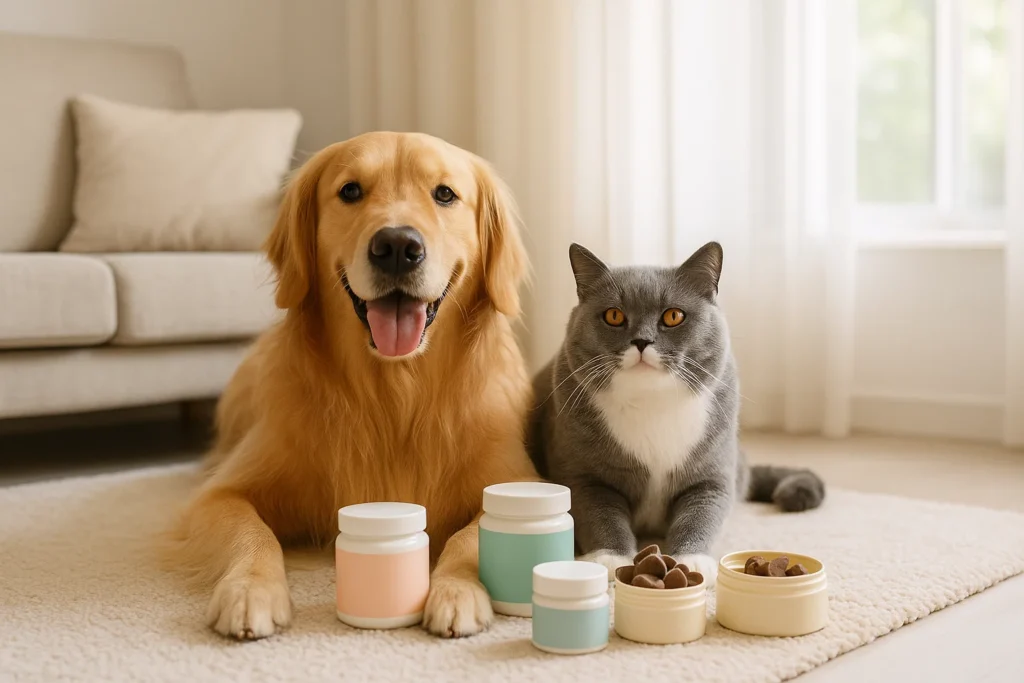
Pet Supplements: A Complete Guide to Boost Your Pet’s Health and Happiness Have you noticed your dog slowing down on walks or your cat’s coat losing its shine? You’re not alone just like humans, pets can experience nutritional gaps that affect their energy, mood, and overall health. That’s where pet supplements come in small additions that make a big difference. At PupzCorner, we combine trusted veterinary expertise with high-quality, vet-formulated products to help your furry family thrive. Whether you’re searching for dog vitamins, digestive probiotics, or specialized pet health supplements, we’re here to guide you toward safe, practical solutions for every stage of your pet’s life. In this guide, you’ll learn why supplements matter, how to choose the right ones, and how PupzCorner’s carefully curated formulas can support your pet’s wellness from nose to tail. Why Pet Supplements Matter for Modern Pets Modern pets lead lives that look a lot like ours busy, sometimes sedentary, and filled with processed foods. Even high-quality pet diets can lack key nutrients that animals need to stay healthy. Pet supplements bridge that nutritional gap, ensuring your dog or cat gets complete, balanced support for their joints, immune system, digestion, and coat. According to the American Kennel Club (AKC), supplements play a crucial role for pets with health concerns or restricted diets. They can improve energy, strengthen immunity, and support organs like the heart and liver especially as pets age. Expert Tip: “Adding targeted pet supplements to your pet’s daily routine helps prevent nutrient deficiencies that may lead to chronic conditions later in life.” Recommended to try: The Dog Vitamins & Supplements 20-in-1 Multivitamin Treats from PupzCorner deliver 20 essential nutrients including glucosamine, probiotics, and wild Alaskan salmon oil for joint support, digestion, and a shiny coat. Understanding the Different Types of Pet Supplements When it comes to pet supplements, not all products are created equal. The best choice depends on your pet’s age, breed, and specific health needs. Below are the main categories every owner should know. Dog Vitamins and Nutritional Blends Vitamins are the foundation of healthy metabolism and immunity. From boosting energy to supporting healthy skin, these formulas ensure your pet’s body gets everything it needs to thrive. For example, vitamins for dogs often include A, B12, and D3 crucial for bone, joint, and brain health. One of our most trusted options is the 15-in-1 Dog Vitamins & Supplements. This multifunctional formula offers joint protection (glucosamine and chondroitin), gut support (probiotics), and skin and coat nourishment in a single tasty chew. It’s the perfect example of best dog vitamins that deliver both flavor and function. Probiotics and Digestive Health Boosters Digestive health is the cornerstone of overall well-being. A balanced gut helps with nutrient absorption, immune defense, and even mood stability. Yes, dogs and cats have gut-brain connections, too! That’s where pet supplements with probiotics come in. They restore healthy gut bacteria, reduce bloating, and minimize skin allergies caused by inflammation. For a daily boost, try Probiotics for Dogs – Digestive Health Formula. Each bite combines prebiotics, enzymes, and omega-3s to support intestinal balance, reduce itching, and strengthen your pet’s immune system naturally. Did You Know? Studies show that a balanced gut microbiome can improve mood and energy in pets, making supplements with probiotics a smart addition for happier, more active companions. Specialty Supplements for Targeted Health Support Some pets need more focused support whether for bladder health, bone strength, or energy recovery. Specialty pet supplements address these exact needs with ingredients like cranberry, magnesium, and sea moss. Urinary & Kidney Support: Potassium Citrate Plus Cranberry with Magnesium helps prevent bladder and kidney stone formation, promoting urinary comfort for aging dogs. Bone & Teeth Strength: Calcium Liquid for Dogs & Cats supports skeletal development and boosts immunity. Energy & Appetite Recovery: Liquid Vitamin B-12 Complex Drops naturally enhances energy, appetite, and focus ideal for senior pets or post-illness recovery. Key Takeaway: Each animal’s needs are unique. Choosing the right combination of supplements ensures targeted care and lasting vitality. Are Pet Supplements Regulated? What Every Owner Should Know Pet parents often ask: Are pet supplements regulated? The short answer is, partly. The U.S. Food & Drug Administration (FDA) oversees ingredient safety and labeling but does not require pre-market approval for most pet vitamins and probiotics. The FDA’s official guidance on pet food and supplements is a valuable resource for responsible owners who want to make informed choices. That’s why buying from trusted, transparent sources like PupzCorner is vital. Our formulations meet or exceed recommended safety standards, ensuring every chew, capsule, or drop is safe, balanced, and effective. For example, Constipation Relief for Dogs – Stool Ease Supplement blends sea moss and slippery elm natural fiber sources that aid digestion gently and effectively. How to Choose the Best Pet Supplements With so many options available, finding the right pet supplements can feel overwhelming. The key is to look for safety, quality, and proven results. Here’s what to focus on before adding any new product to your pet’s routine. Read Labels and Ingredient Lists Carefully Always check ingredient transparency and serving sizes. Avoid products with artificial fillers, colors, or preservatives. The best pet supplements contain natural sources like salmon oil, sea moss, probiotics, and vitamin blends that promote total-body health. Many pet owners are switching to native pet supplements formulations that use holistic, naturally derived ingredients for better absorption and fewer side effects. PupzCorner’s range meets these standards with complete clarity about every component on our labels. Look for Vet-Formulated and Lab-Tested Products When shopping for pet health supplements, choose brands that are vet-formulated and lab-tested for purity. Supplements that meet these standards ensure your pet gets the nutrients they need in the safest possible way. PupzCorner’s formulas are developed to align with veterinary guidelines, ensuring consistency and effectiveness across all breeds and life stages. For example, our Freedom Grain-Free Indoor Dry Kitten Food is made to complement pet supplements, supporting healthy digestion and brain development in growing kittens Consider Age, Breed, and Specific
Cat Toys for Playful, Healthy Cats | PupzCorner Guide 2025
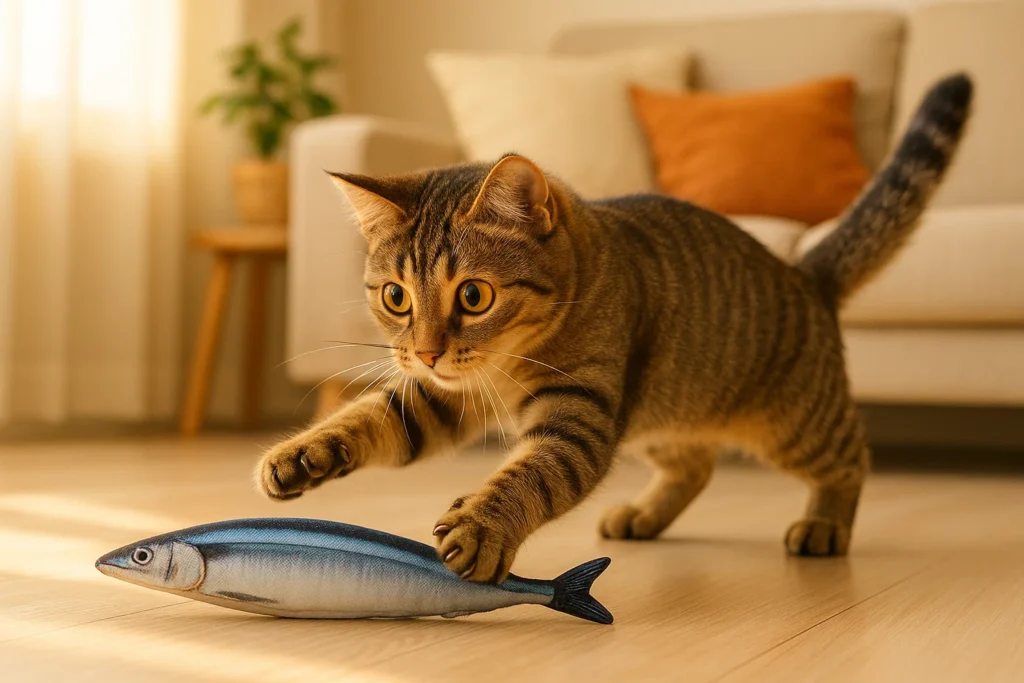
Cat Toys – How Playtime Builds a Happier, Healthier Cat Ever watched your cat chase a feather or bat at a dangling string with laser focus? That spark of excitement isn’t just for show playtime is a vital part of a cat’s mental and physical health. Yet many cat owners underestimate how essential toys are to their felines’ overall well-being. From boredom and weight gain to anxiety and destructive behavior, the absence of stimulating play can quietly take a toll on your cat’s happiness. At PupzCorner, we understand that your cat’s joy starts with how they play. That’s why we provide expert pet care insights and safe, vet-approved toys that engage your cat’s instincts while keeping them healthy. Our goal is simple to help your furry friend live a longer, happier, and more fulfilling life through enriching play and proper nutrition. In this guide, we’ll uncover how the right cat toys can transform your cat’s daily routine, decode their playful habits, and help you choose the perfect products from interactive fish toys to DIY ideas that keep boredom at bay. Why Cat Toys Matter for Feline Health and Happiness Cats may seem independent, but they need stimulation just as much as dogs. Regular play keeps your cat fit, sharp, and emotionally balanced. According to PetMD, play not only burns energy but also satisfies hunting instincts that indoor cats rarely get to express. Without adequate play, felines may overeat, sleep excessively, or even develop anxiety-driven behaviors like scratching furniture or overgrooming. The Health Benefits of Playtime Active play plays a vital role in maintaining your cat’s overall health and happiness. Regular physical activity helps manage weight and build strong muscles, preventing issues like obesity and joint stiffness. Beyond fitness, toys that move, crinkle, or make sound encourage mental stimulation by engaging your cat’s natural curiosity and problem-solving instincts. This combination of movement and challenge keeps their mind sharp and their reflexes quick. Playtime also provides emotional balance, allowing cats to release pent-up energy, reduce stress, and avoid anxiety-driven behaviors such as scratching or overgrooming. In short, consistent play supports a healthier body, a sharper mind, and a calmer, happier temperament. Every pounce, chase, and kick mimics the natural hunt. That’s why choosing toys that feel real to your cat’s instincts can make all the difference. The PupzCorner Difference – Safe, Smart & Stimulating Toys When it comes to feline play, not all toys are made equal. At PupzCorner, our mission is to bring enrichment to every cat’s day through high-quality, vet-approved toys designed for safety and satisfaction. One of our top-rated products the Saury Fish 3-Pack Catnip Crinkle Toy, perfectly captures that balance of fun and function. These realistic fish toys are soft yet durable, infused with premium catnip, and create a gentle crinkle sound that keeps cats engaged for hours. Whether your cat is a gentle swatter or a full-on kicker, this interactive cat toy encourages movement, exercise, and instinctive play essential for both kittens and adults. The plush texture is gentle on teeth and claws, while the internal catnip adds that irresistible scent cats adore. Understanding Your Cat’s Play Behavior Ever wondered why your cat brings you toys or drops them at your feet? It’s not just cute, it’s instinctive. Cats see you as part of their social group, and bringing you their “prey” is their way of sharing success or seeking approval. Similarly, some cats place their toys in a water bowl, a behavior linked to their wild ancestors “storing prey” in safe locations. It may look odd, but it’s completely natural and shows your cat’s sense of comfort and trust. Understanding these small gestures helps you respond better. Next time your feline proudly delivers a toy, take a moment to engage it strengthens your bond and fulfills their emotional need for connection. For pet parents who love to pamper their furry companions, discover how to treat your spoiled pets the right way with PupzCorner’s trusted tips and handpicked care essentials. Choosing the Right Cat Toys for Every Feline Personality Cats are individuals what excites one might bore another. That’s why variety is key. From teaser wands to soft kickers, choosing toys that match your cat’s play style ensures constant engagement and prevents behavioral issues. The Most Loved Types of Cat Toys Interactive Cat Toys: Battery-powered or motion-triggered toys that move unpredictably are perfect for indoor cats needing stimulation. Fish Cat Toys (like PupzCorner’s Saury Fish 3-Pack): Realistic motion, crinkle sounds, and catnip scent create a natural hunting thrill. Plush and Soft Toys: Great for cuddling and kicking; ideal for younger cats or calmer personalities. DIY Toys: A paper ball or string-and-stick can provide hours of entertainment, but always supervise to ensure safety. Pro Tip: Rotate toys every few days. It keeps the experience fresh and prevents your cat from losing interest. To keep play balanced, complement your toy collection with healthy nutrition. Our Natural Dry Cat Food – Tender Selects Blend with Real Salmon supports your cat’s energy levels, helping them stay active during playtime while promoting a glossy coat and lean muscles. DIY Cat Toys – Fun and Safe Ways to Create Your Own Homemade cat toys can be just as entertaining as store-bought ones, especially when made with safe, soft materials. Creating your own toys allows you to tailor them to your cat’s play style and energy level while ensuring every item is safe and durable. Simple DIY Toy Ideas Sock Catnip Kicker: Fill a clean sock with cotton and dried catnip. Tie it securely and watch your cat roll and kick with delight. Crinkle Ball: Use aluminum foil or paper to make a light ball that rustles. Keep it small enough to bat but too big to swallow. String Teaser: Tie a lightweight ribbon to a stick to mimic prey movement. Always supervise play to avoid tangling. Avoid materials like rubber bands, tinsel, or anything with loose threads that could be swallowed. Supervision is key, especially for kittens who are still learning how
Probiotics for Dogs – Best Natural Gut Health Support
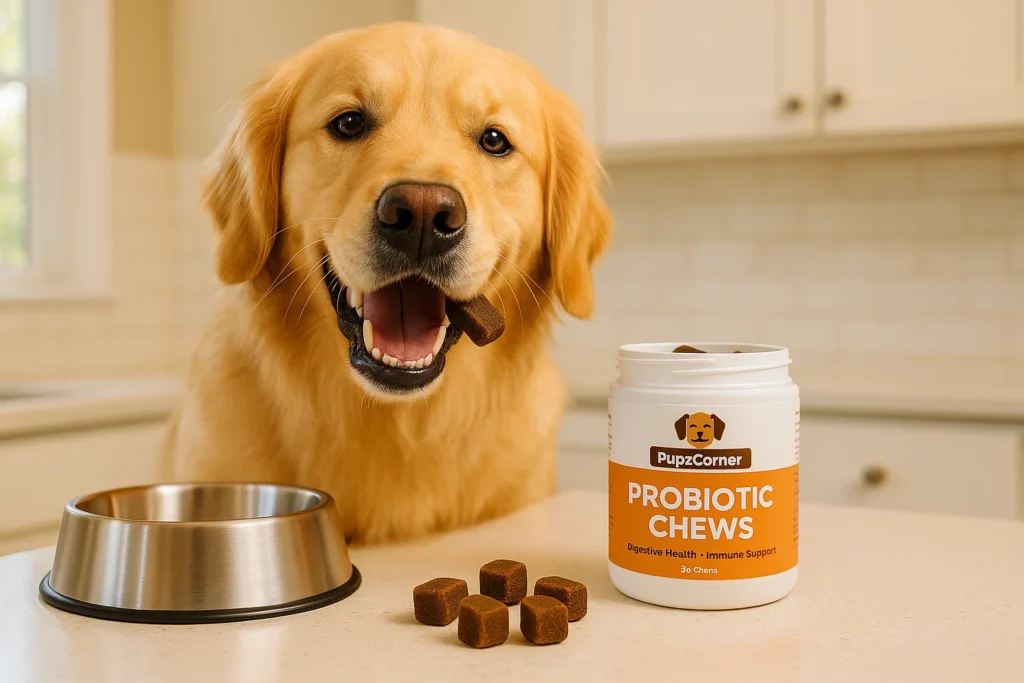
Probiotics for Dogs – The Key to a Healthy, Happy Gut Has your dog been dealing with stomach troubles, bloating, or irregular bowel movements lately? These are common signs of digestive imbalance, something that affects thousands of dogs every year. A healthy gut is more than just comfort for your pet. It influences immunity, energy, skin, and even mood. If your dog’s digestion is off, it can impact every part of their wellbeing. At PupzCorner, we know that a healthy gut equals a happy dog. That’s why we bring you trusted Probiotics for Dogs that are vet-formulated probiotic solutions made from safe, natural ingredients. Our goal is to help your furry friend thrive with balanced digestion, strong immunity, and improved vitality. In this guide, you’ll learn what probiotics for dogs are, how they work, which types are most effective, and how to use them safely. We’ll also share a few natural and homemade options you can try at home while explaining why vet-formulated probiotic chews remain the most convenient choice. What Are Probiotics for Dogs and How Do They Work Probiotics are beneficial bacteria that live in your dog’s digestive tract. They play a vital role in maintaining a balanced gut by keeping harmful bacteria under control and supporting healthy digestion. Just like in humans, a dog’s gut microbiome affects everything from nutrient absorption to immunity. When your dog’s gut flora becomes unbalanced due to stress, antibiotics, or poor diet, it can lead to gas, diarrhea, constipation, or even skin issues. Probiotics restore that balance by replenishing good bacteria, improving digestion, and reducing inflammation in the gut lining. Healthy gut flora also supports the immune system. Studies show that about 70 percent of a dog’s immune cells are located in the digestive system. When the gut is balanced, it can better fight infections and allergens while promoting better energy levels and mood stability. Different probiotic strains serve specific purposes. For example, Lactobacillus acidophilus supports healthy stool formation, while Bifidobacterium animalis reduces diarrhea and improves overall intestinal function. The best probiotic formulas include multiple strains to address a range of digestive needs and keep your pet’s system strong. Keep your furry friend safe and your home organized with our guide on the best gates for dogs to choose the perfect fit for your space. Key takeaway: Probiotics maintain your dog’s internal balance, improve digestion, and strengthen the immune system, leading to better long-term health. Benefits of Probiotics for Dogs – Why They Matter for Wellness A dog’s gut health affects more than just digestion. When the balance of good and bad bacteria shifts, it can influence energy, coat quality, skin condition, and even behavior. Probiotics help restore that balance, offering several essential benefits every dog owner should know. Digestive Support Probiotics aid in breaking down food efficiently, reducing bloating and irregular stools. Dogs who experience chronic constipation or diarrhea often see improvements within days of consistent probiotic use. Stronger Immunity Most of your dog’s immune function originates from the gut. A probiotic-rich digestive system creates a natural defense barrier, helping your dog resist infections and recover faster from illness. Allergy and Skin Relief When inflammation in the gut decreases, it can lead to noticeable improvements in skin health. Many pet owners report fewer allergy symptoms, less itching, and shinier coats after introducing probiotics. Energy and Mood Boost Balanced digestion helps the body absorb nutrients properly, which directly affects energy levels and mood. A dog with a healthy gut is typically more playful, active, and engaged. To make gut health simple and effective, PupzCorner offers 20-in-1 Multivitamin Treats for Dogs with Probiotics. These tasty chews combine beneficial bacteria, omega oils, glucosamine, and essential vitamins to support digestion, joint strength, and overall wellness in one daily treat. Key takeaway: Regular probiotic support doesn’t just help your dog’s tummy. It contributes to a stronger immune system, brighter energy, and happier daily life. What Is a Good Probiotic for Dogs Not all probiotics are created equal. When choosing one for your dog, quality matters more than quantity. The best probiotics for dogs should contain a variety of beneficial strains, an effective CFU (colony-forming unit) count, and be formulated specifically for canine digestive systems. A good probiotic should include strains such as Lactobacillus, Bifidobacterium, and Enterococcus, which have been proven to promote gut balance and immune resilience. The formula should also be backed by veterinary science, ensuring safety and effectiveness for all breeds and sizes. When evaluating probiotic supplements, check for: Multiple strains rather than a single type of bacteria Transparent labeling with guaranteed live cultures Added prebiotics that help good bacteria thrive No artificial colors, preservatives, or fillers At PupzCorner, our Stool Ease Digestive Supplement and 20-in-1 Probiotic Multivitamin Chews meet these standards. Each chew is carefully crafted with natural ingredients to help reduce constipation, promote healthy stools, and enhance nutrient absorption without upsetting your dog’s stomach. Key takeaway: A good probiotic is safe, multi-strain, and vet-formulated to deliver consistent digestive support with visible results. Natural and Homemade Probiotics for Dogs Many pet parents love finding natural ways to support their dog’s digestion, and probiotics are no exception. Natural probiotics for dogs can be found in everyday foods, offering an easy way to maintain gut health between supplement doses. Plain, unsweetened yogurt and kefir are two safe and effective sources of natural probiotics. They contain live cultures that help improve digestion and strengthen immunity. A small spoonful added to your dog’s meal can help balance intestinal bacteria naturally. For dogs sensitive to dairy, lightly fermented vegetables such as sauerkraut (without salt or seasoning) can also provide gentle support. For a simple homemade probiotic, mix plain yogurt with pumpkin puree. Pumpkin adds fiber that supports bowel regularity, while the yogurt provides beneficial bacteria. However, remember that not all homemade options are perfectly balanced. Overuse or incorrect preparation can upset your dog’s stomach. That’s why many owners prefer professionally balanced supplements like PupzCorner’s Probiotics for Dogs – Digestive Health Bites. These soft chews combine prebiotics, enzymes,
5 Winter Dog Grooming Essentials | PupzCorner Care Guide
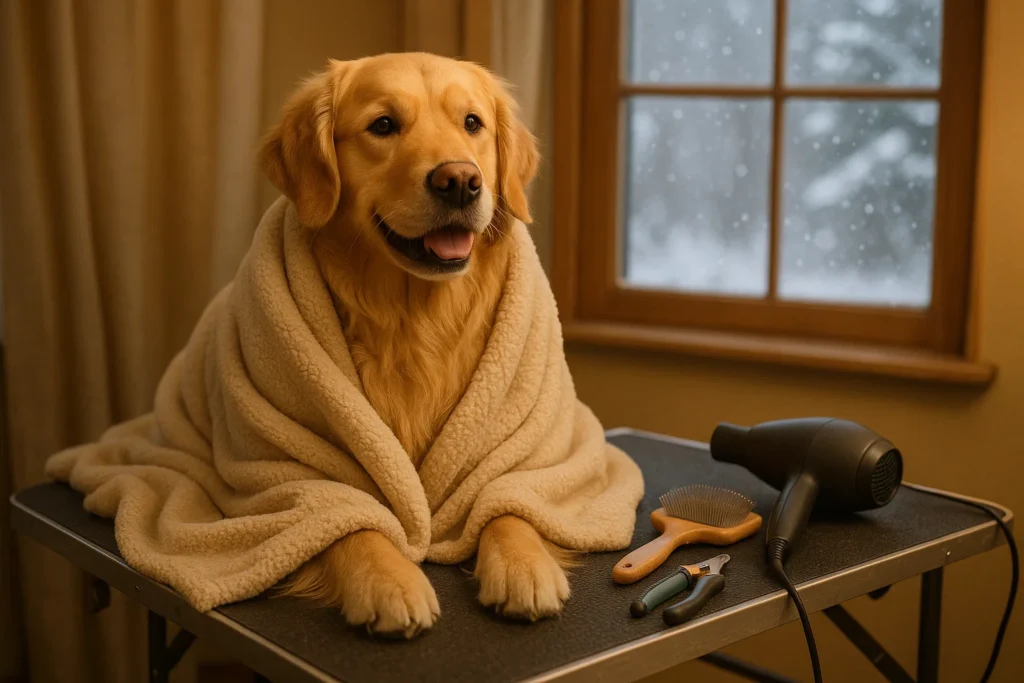
5 Winter Grooming Essentials Every Dog Owner Must Have This Season Ever watched your dog shiver after a bath or struggle with dry, flaky skin as temperatures drop? You’re not alone. Winter brings unique challenges that can affect your pup’s comfort, coat health, and overall wellbeing. Cold weather doesn’t just mean colder nights; it means adjusting how we care for, groom, and protect our furry companions. At PupzCorner, we combine expert advice with carefully curated, vet-approved products to help you navigate seasonal pet care with confidence. Whether you’re dealing with a restless dog, matted fur, or looking for dog grooming essentials, we’re here to guide you every step of the way. In this guide, you’ll discover essential dog grooming products for winter, practical coat care tips, must-have comfort items, and expert-backed strategies to keep your dog healthy, warm, and happy throughout the coldest months. Why Dog Grooming Essentials Are Critical for Your Pet’s Health Winter grooming isn’t just about aesthetics. It’s a vital part of your dog’s health routine. Cold weather creates specific challenges that make regular grooming and proper care more important than ever. The Hidden Dangers of Winter for Dogs Dry skin and coat damage are among the most common winter problems. Indoor heating strips moisture from the air, leaving your dog’s skin itchy and their coat dull. Joint stiffness also increases in colder temperatures, especially in older dogs or breeds prone to arthritis. Wet fur after grooming can quickly lead to chills or even hypothermia if not dried thoroughly. Dogs also spend more time indoors during winter, which means less natural exercise, potential weight gain, and increased boredom-related behaviors like excessive chewing or scratching. How Winter Affects Different Dog Breeds Short-haired breeds and small dogs lose body heat faster and may need dog winter coats or jackets for outdoor walks. Large breeds with thick undercoats require frequent brushing to prevent matting. Even dogs with natural winter protection benefit from seasonal grooming adjustments, including paw care and moisture-rich coat treatments. According to veterinary experts at the American Kennel Club, maintaining a consistent grooming routine with dog grooming essentials helps prevent skin infections, improves circulation, and strengthens the bond between you and your pet. Provide Joint Support with an Orthopaedic Dog Bed One of the most overlooked aspects of winter dog care is quality sleep and rest. Cold floors and thin bedding can worsen joint pain, especially in medium to large breeds or senior dogs. Why Joint Support Matters in Winter Cold weather can trigger or worsen arthritis and hip dysplasia symptoms. Dogs who sleep on hard surfaces wake up stiff, reluctant to move, and less enthusiastic about grooming sessions. An orthopaedic dog bed with memory foam provides the cushioning and warmth needed to support aging joints and promote restorative sleep. The Orthopaedic Dog Bed with Memory Foam offers medical-grade memory foam, a non-slip base for hardwood floors, and a washable cover. Perfect for post-grooming cleanup. Within days of use, many pet owners notice improved mobility, better mood, and less resistance during grooming routines. Pro tip: Place the bed in a warm, draft-free area away from windows and doors to maximize comfort during cold nights. Keep Your Dog Warm with a Calming Plush Blanket After every bath or grooming session, your dog needs time to warm up and relax. Even with thorough drying, winter air can make freshly groomed dogs uncomfortable and anxious. The Role of Warmth in Post-Grooming Care Coral fleece blankets provide instant warmth without being too heavy. They’re especially useful for dogs who experience grooming anxiety or shiver after baths. Wrapping your dog in a soft, familiar blanket creates a sense of security and helps them associate grooming with comfort rather than stress. A quality calming plush blanket is machine washable, lightweight, and suitable for dogs of all sizes. It works as both a winter dog accessory and a calming tool during stressful grooming moments like nail trimming or ear cleaning. When to Use a Dog Winter Coat Instead For outdoor activities, a blanket won’t suffice. If your dog spends time outside in freezing temperatures, consider investing in a dog winter jacket or dog coat for winter walks. Breeds like Chihuahuas, Greyhounds, and French Bulldogs benefit greatly from insulated winter outerwear for dogs, especially during morning or evening potty breaks. Small dog winter coats should fit snugly without restricting movement, while best dog jackets for winter often include waterproof materials and reflective strips for safety. Master Winter Grooming with Professional Tools Proper grooming tools make all the difference during winter months. The right equipment helps you manage shedding, prevent matting, and keep your dog’s coat healthy despite harsh weather conditions. Essential Grooming Tools for Winter Care Winter undercoat shedding requires specialized tools. A deshedding brush and grooming tool can reduce shedding by up to 95%, removing dead fur before it mats or spreads throughout your home. Regular use improves coat appearance and reduces the frequency of full baths during cold months. For comprehensive grooming sessions, a complete pet grooming kit includes washing gloves, bath brushes, and shampoo applicators. These tools make bathing faster and more efficient, reducing the time your dog stays wet in cold weather. Advanced Grooming Solutions For pet owners serious about winter coat maintenance, investing in a professional dog grooming vacuum eliminates mess while grooming. These systems include clippers, nail grinders, and deshedding attachments that capture loose fur immediately, keeping your home clean during increased indoor grooming sessions. Expert insight: Veterinarians recommend brushing dogs with thick coats at least three times per week during winter to prevent painful matting and improve skin health. Support Healthy Digestion with a Raised Dog Bowl Stand Winter often brings changes in eating habits. Some dogs become picky eaters, while others experience digestive discomfort due to reduced activity levels and awkward feeding postures. Pairing this with the right dog grooming essentials ensures your pet’s overall wellness throughout the cold season. Why Elevated Feeding Matters Large breeds and senior dogs particularly struggle when eating from floor-level bowls. Bending