


You purchased the most comfortable bed for your pet. You put it there in a tranquil spot, perhaps even, you said, with one of those blankets they always enjoy, and in your dream, your furry friend would snuggle down to rest each night. However, at bedtime, they disregard it altogether. They, on the contrary, lie on the cold floor, creep on the couch, or lie on your mat. In case the latter sounds familiar to you, it is not only your case. The same question is often asked by many pet owners: Why is it that my canine does not want to snooze in the bed?
The fact is, a lot is revealed in pets’ sleeping patterns. A Dog Sleeping Position can indicate whether it is safe, comfortable, or even slightly stressed. Knowing the pup’s sleeping postures and the most common reasons canines do not like their beds can also make it easier to make them feel at home without imposing or causing them anxiety.
In this PupzCorner guide, we will discuss why dogs do not want to rest, the meaning behind their snooze habits, and how you can transform Cottime into a comfortable, stress-free space for your furry friend. You can also contact us for anypet-related consultancy.
Learning the Sleeping habits of Pets
Pets do not sleep in the way human beings do. It is not only their sleeping places that are affected by their bodies and instincts, but also their snooze. The way your hound sleeps can tell you a lot about their comfort, mood, and even their health.

The most frequent canine snooze postures and what they can say to you are these:
Curled-Up Position (The Ball)
Dogs huddle to keep warm and protect their organs. This posture usually indicates that your canine is a little nervous or is conserving energy, particularly in unfamiliar surroundings.
Side Sleeping
The hound is lying flat on his back. This pose depicts great calmness and ease. Most pups that snooze lying on their backs tend to be secure in their habitat.
Belly-Up (Exposed Stomach)
To lie on one’s back with legs elevated is a sign of confidence. Your canine is not afraid of anything but feels at home here. It helps them cool down on hot days, too.
Superman / Sprawled-Out Position
Pets lie down in full length on their backs with their legs outstretched. This position is most often observed in active Canines, as they can spring into action very quickly while still resting.
These positions help explain why a hound might shun its mat. Indicatively, a curled-up hound will not like a Cot that is too large or too open, whereas a belly-up snooze will require a wide and soft Mat where they can stretch completely.
Most Frequent Excuses: Pets Do Not Want to Sleep in Their Bed
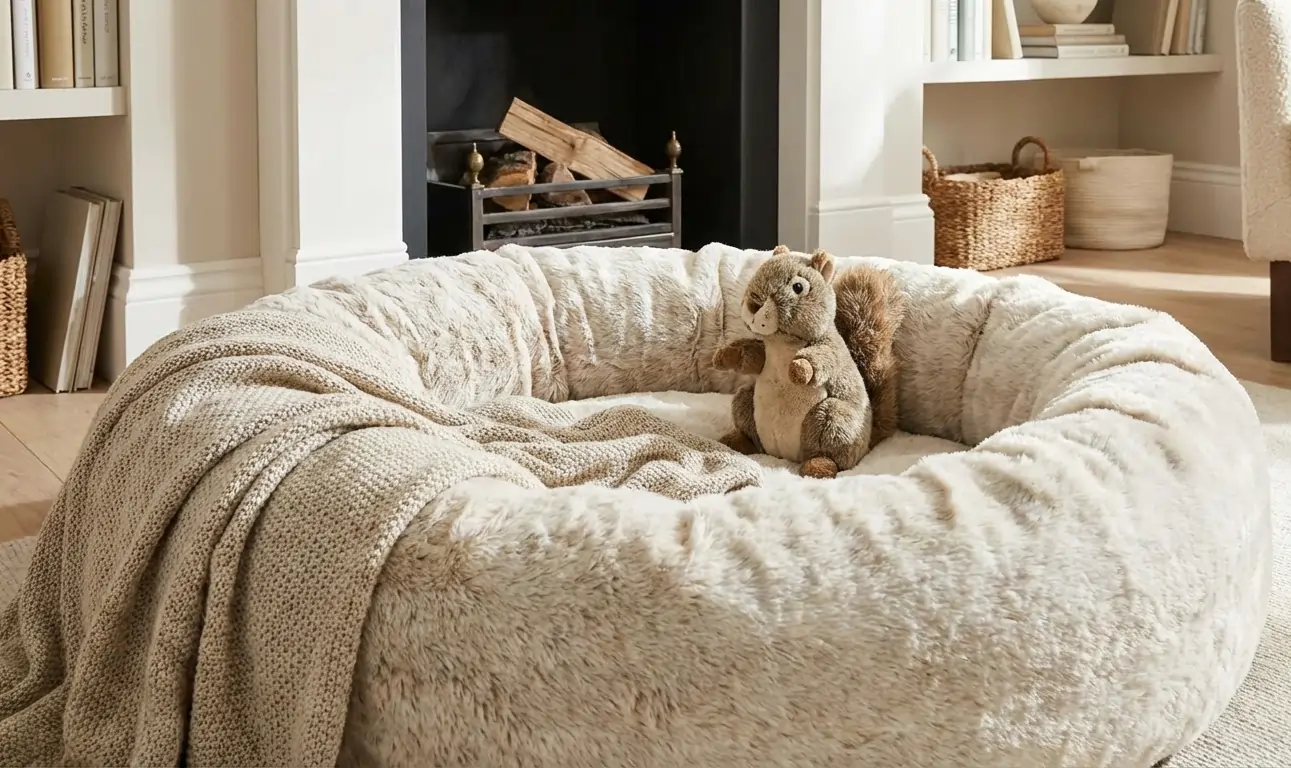
The most cozy mat is not always satisfactory. Dogs are guided by comfort, security, and instinct. The most typical reasons include the following:
1. The Bed Does Not Correlate with Their Sleeping Position
Dogs are particular about their sleeping: some rest curled up, others extended, and others on their sides or backs. If the mat doesn’t let your canine snooze in their favorite position, they might not like it. An example of this is that a curled-up hound will not be comfortable in a flat, open mat, but a pup who likes to stretch will be cramped in a small bed with high edges.
2. Smells or Unfamiliar Textures
Pets rely heavily on scent. A fresh Cot is usually full of factory odours or traces of detergent. This may make the bed feel alien and unacceptable. It is also lovely to add a blanket or t-shirt with your scent to ensure the mat smells like home.
3. Temperature Issues
A dog’s sleeping position is also usually affected by temperature. Pets curl up to stay warm and stretch to cool down. If the Cot is too hot or too cold, they will opt to use the floor or another material. This is especially true in warmer seasons, when a chilly floor is better than a comfortable bed.
4. Poor Placement
hounds desire to feel that they belong to the pack. A mat that is too far from the family to attend to, or that is close to noisy appliances, or that is placed in a dark corner, can be overlooked. Dogs that choose to rest on their sides or bellies tend to go to areas where they feel safe and close to their owners.
5. Negative Associations
A Cot that has fallen and slipped, or that is related to a stressful event, may lead to long-term avoidance. Pups have memories of pain and distress; thus, a Cot may be otherwise comfortable but be rejected.
Hint: A combination of these factors and the observed sleeping location of your pet would allow you to determine the real cause of mat avoidance. For older pets or those needing extra support, PupzCorner’s orthopedic dog bed provides comfort and encourages restful rest.
Diagnosis of the Problem: How to Find out Why Your Pet Does Not Want to Sleep in the Bed
You will need to observe your dog’s natural sleeping behavior before you attempt to correct the issue. Ask yourself:
Where would they rest on the nights they do not snooze on the mat?
Which sleeping postures do they innately assume?
Do they not get out of the Cot at particular times of the day or of the season?
Is it possible that they are affected by health problems, such as arthritis?
Observing these motions can give one information about whether the problem is physical comfort, location, temperature, smell, or emotional safety. You can more easily decode what your pet is saying about their needs by learning about pet sleeping positions.
Solving the Problem: Teaching Your Dog to Like Their Bed
After knowing the reason why your hound does not use his mat, you can persuade them to do so by using some of these ways.
- Select the Cot according to its resting place.
- It is essential to pick the mat your hound enjoys sleeping on.
- Canines curled up usually love to rest in donut-shaped or raised-edge beds that are enclosed and secure.
- Side snoozers require flat, padded beds to stretch fully.
- Belly-up sleepers like wide, comfortable beds that let them sprawl.
- Elderly pups could find an orthopedic Cot helpful, as it puts less pressure on joints.

Adding a PupzCorner cozy heating pad with your pup’s favorite scent can make any bed instantly inviting, helping your pet feel secure and relaxed.
Make the Bed Smell Familiar
Familiar smells comfort pets, such as the smell of one of your smelly blankets or a t-shirt on the bed. Clean the Cot using mild fragrance-free detergents so it stays clean without smelling strange.
Place the Bed Strategically
Watch where your canine prefers to rest. Put the mat there, no matter whether it is the ideal corner or not. Hounds tend to be attracted to places where they feel that their human group is involved or is part of a group. After your dog has gotten used to using it, you can slowly move it if necessary.
Use Positive Reinforcement
Congratulate any task relating to the Cot, even the short ones, with praise or a little reward. Do not put your pet in the bed where they will develop anxiety and opposition. You need to be patient: you will see that your hound will learn to identify the Cot as a place of comfort and security.
Provide Multiple Options
Some pets like variety. Having more than one mat or resting place means they can choose the temperature, activity, or position in which they want to relax. Such flexibility can put your canine in a more comfortable position, where they feel in control of their surroundings. Dogs who love curling up can benefit from PupzCorner’s raised-edge donut bed, which provides a cozy, secure snooze spot.
Some Future Prevention Techniques and Best Practices
The construction of a happy sleeping place is a continuously developing action:
- Note sleeping patterns, then purchase new beds.
- Clean beds, retain familiar smell.
- Replace beds that have lost shape or support.
- Turn the Cots on and off when it is warm or hot.
Get used to the way your pet likes to rest; they know which rest positions or bed size is comfortable for them.
By attending to these minute details, you can avoid mat avoidance even before it begins.
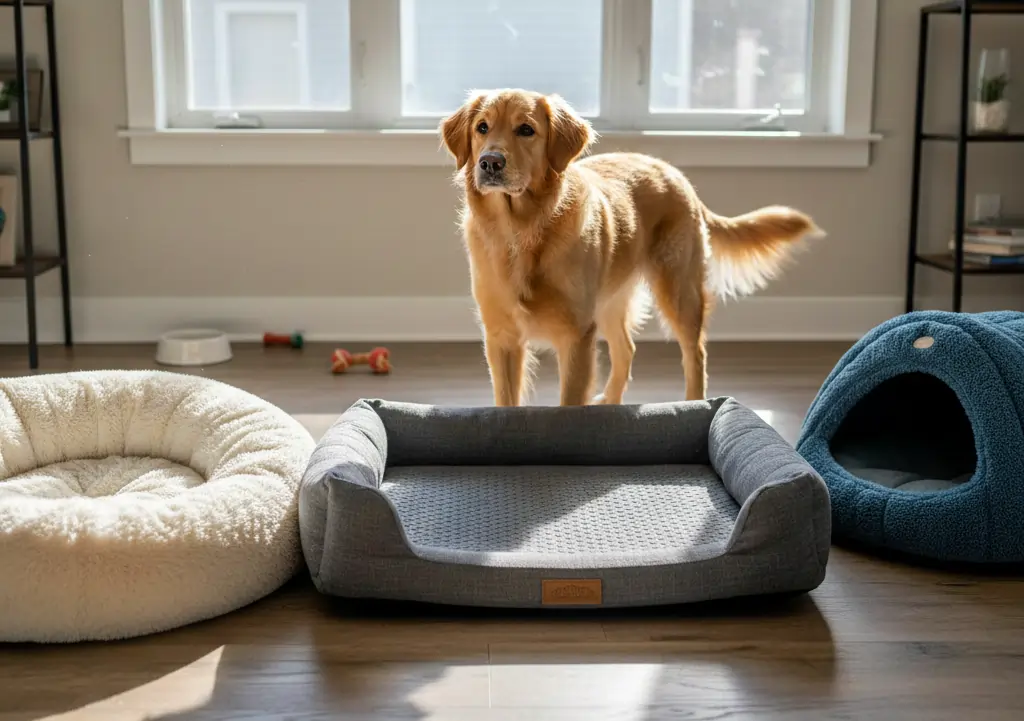
Each Dog has its own Comfort Zone
It does not imply that a pet is ungrateful when you refuse him a mat. It is a communication regarding comfort, security, and instinct. A dog’s body language while asleep reveals a lot about its emotional and physical needs.
By observing their sitting arrangements, preferences, and adaptation to the bed type, location, and smell, you can create a sleeping arrangement your dog will be willing to use and enjoy. PupzCorner is committed to comfort beyond just softness, and it is all about safety, trust, and choice. No pet should be without a bed that helps them achieve maximum comfort and rest, with a sense of security.
Most Frequently Asked Questions of Dog Sleeping Positions and Bed Avoidance
Why does my dog not sleep on the bed, but always next to it?
Your hound might like the place, but the bed’s surface, temperature, or size is uncomfortable.
What is the time for dogs to adapt to a new bed?
Some can be adjusted in a matter of days, while others can take weeks, depending on personality and previous experience.
Does it mean that my dog is fine with the floor?
Yes! This is because many dogs prefer a firmer or colder surface, particularly in warm conditions.
Does a couple of beds allow my dog to sleep better?
Yes. The compatibility of choices also allows your dog to choose what it feels comfortable with and the position in which it rests.
How do I determine whether my dog has the right-sized bed?
Your hound must be able to stretch, curl, or change positions on the bed. There will be no need to go further, as you will know it from their natural rest patterns.