Best Baby Gates for Dogs | Safe & Sturdy Pet Barriers 2025
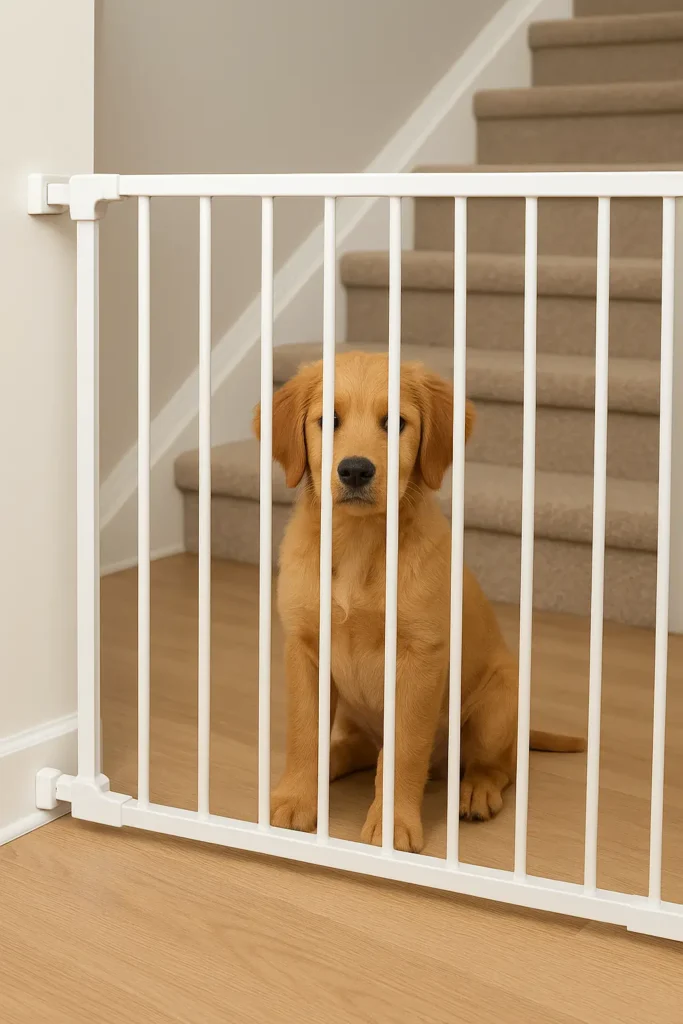
Best Baby Gates for Dogs Keep Your Curious Dog Out of Mischief and Your Home Clean Having the best baby gates for dogs in your home brings peace of mind and happiness. Still, your curious pup or mischievous dog might wander into areas they shouldn’t. Whether you’re keeping a playful puppy away from danger, a stubborn husky out of the living room, or an older dog safe from stair falls, a sturdy baby gate is your best solution. All gates are not equal, however. Others are designed with strength and stability in mind, while others prioritise convenience and portability. To make the decision, PupzCorner has compiled eight of the most successful baby gates that are safe, durable, and designed for dogs. While a baby gate keeps your furry friend safely contained, keeping them entertained is just as important! For more information, please contact us. Best Baby Gates for Dogs: Top Product Picks 1. Wooden Baby Gates It is constructed of solid wood or a wood mixture. It gives the space a cozy feel, matching the home decor, and can be swing-open or slide-open. Pros: Classy and beautiful appearance. Durable when kept indoors. Green and simple to re-paint or refinish. Cons: It is dog scratchable and chewable. It cannot be used outside because it has been damaged by moisture. Installation: Normally, it is screw-mounted on the wall or pressure-mounted. Make sure that both sides are at the same level, then tighten the pressure knobs. Veterinary behaviorists agree that setting clear physical boundaries at home helps dogs feel more secure and reduces anxious or destructive behavior. 2. Metal or Steel Baby Gates It is made of iron, aluminum, or steel and developed as a high-strength and durable product. Most popular in extra-tall or heavy-duty models. Pros: It’s very tough for big and strong dogs. A rust-resistant coating guarantees long life. Pets can hardly bend or be damaged. Cons: Heavier and less portable. Not all interiors may match an industrial appearance. Installation: May be mounted as pressure- or hardware-mounted. Ideal for securing the peak or bottom of stairways for added safety. 3. Plastic or PVC Baby Gates It is constructed from shaped polymer or PVC board, making it lightweight, affordable, and frequently portable or adjustable. Pros: Easy to clean and maintain. Rust-free and lightweight. Big with smaller dogs or puppies. Cons: Not applicable to aggressive or assertive dogs. It can bend or break when pushed. Installation: Usually, it is mounted between walls or doors under pressure. Easy tool-free setup. 4. Retractable Mesh Baby Gates It features a roll-up construction with heavyweight mesh fabric and can retract into a tight casing when not in use, ensuring a slim, contemporary, and minimalistic design. Pros: Perfect in small rooms and minimalistic houses. Easy to operate with one hand. Block not avenues when open. Cons: Mesh may either stretch or tear under the influence of powerful dogs. Not ideal for large breeds. Installation: Attached to the walls with screws. It should be mounted flat to roll and lock. According to the American Kennel Club (AKC), creating safe boundaries at home helps reduce anxiety and prevent destructive behaviour in dogs. 5. Freestanding/ Modular Panel Gates. The structure consists of several interlinked, freestanding panels that aren’t mounted to the walls. Designed to be flexible, it can take on different shapes Pros: No drilling or wall damage. Adaptation in spacious rooms. Works well as a pet playpen. Cons: Not a stable or strong dog, nor a jumper. It can move when pushed or bent over. Installation: Unfold and set on the floor. Make sure that the surface is flat and stable. 6. Extra-Tall Baby Gates Its Mean height is 36-40 inches and above. This product is designed to accommodate medium to large dogs that are jumpers and features metallic or hybrid frames. Pros: It certainly keeps dogs inside, preventing them from climbing up or jumping over. Provides additional security to multi-pet households. Durable and strong build. Cons: Heavier and more expensive. May hide small pets or children. Installation: Typically, either hardware- or pressure-mounted. Ensure the upper latch is positioned correctly, then lock up. 7. Pressure-Mounted Baby Gates Pads or tension rods are used to hold the item in place. Additionally, no screws or fixed fittings are needed for this type of gate. It is easily transportable to other rooms. Pros: Easy and instant installation. No wall damage. Absolutely perfect in temporary/rented houses. Cons: It can slip if dogs push hard. Contraindicated in staircases. Installation: Continue to stretch the gate until the side pads are against the wall. Turn knobs to a point of stability and stillness. 8. Hardware-Mounted Baby Gates It is usually installed on the stairs or in hazardous locations and fitted to the studs or banisters of the wall with a screw. It is the most secure and durable solution for dogs. Pros: Very stable and durable. It is a heavy-duty, dog-resistant, and multi-use. Be careful on the stairs. Cons: Takes equipment and drilling of walls. Leaves leave impressions or holes in leaves. Installation: Mounting requirements were included in brackets, along with screws. Make sure that it is fitted on the wall studs to achieve maximum support. If your dog is still in training, pairing your gate setup with Puppy Training Pads helps keep the area clean and hygienic while they learn. You can also try our Dog Toys 25 Pack for Fun and Teeth Cleaning. Then, Which One is the Right Dog Gate for Your Home? Choosing the right dog gate for your home depends on your pet’s size, behavior, and your living space layout. For smaller breeds, lightweight or pressure-mounted gates may be enough, while larger or more active dogs need sturdy, wall-mounted designs. Consider factors like material, height, and lock type to match your home’s safety needs and style. The right gate not only protects your space but also creates a secure, comfortable boundary for your furry friends. 1. Freestanding Dog Gates Freestanding gates don’t attach to walls