
Dog Feeding Guide: How much dog food should I feed my dog?
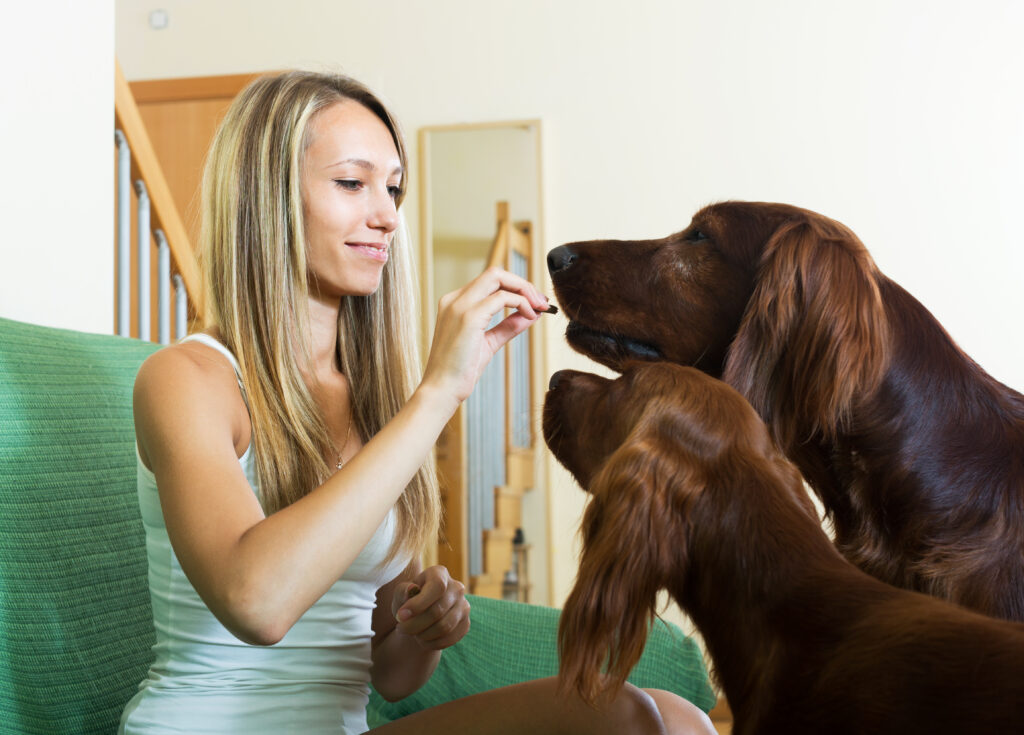
Dog Feeding Guide: How much dog food should I feed my dog? Feeding your dog might seem simple, but many pet owners find it confusing to know how much to give, what foods are safe, and when to feed. You might ask yourself, “How much dog food should I feed my dog?” It’s important because feeding too much can cause weight gain and health problems, while feeding too little means your dog may not get enough energy and nutrients. Plus, you may wonder if it’s okay to share some of your food, like eggs or hot dogs, with your furry friend. This Dog Feeding Guide is here to clear up those questions. We’ll explain the basics of what your dog needs to stay healthy, including proteins, fats, and vitamins. You’ll find easy tips on how much to feed, with a handy dog feeding chart to make it simple. We’ll also answer common questions like, “Can I feed my dog eggs?” or “Is it safe to give hot dogs?” and share advice on feeding raw meat. Finally, we’ll help you find the best times to feed your dog and how to change their diet as they grow or their needs change. With Pupzcorner’s expert guidance, you’ll feel confident giving your dog the right nutrition for a happy, healthy life. Understanding Dog Nutrition: The Essentials of a Balanced Diet Feeding your dog a balanced diet is essential for their overall health and wellbeing. A proper dog feeding guide emphasizes the six key nutrients dogs need: proteins, fats, carbohydrates, vitamins, minerals, and water. These nutrients work together to support your dog’s body functions, energy, and growth. Proteins provide essential amino acids necessary for building and repairing tissues. Since dogs can’t produce all amino acids on their own, these must come from their diet. Fats are crucial for energy and maintaining a healthy coat and skin, while also supplying essential fatty acids like omega-3 and omega-6. Carbohydrates, primarily from grains and vegetables, provide energy and fiber, which is vital for digestion. Try the Pure Balance Wild & Free Salmon & Pea Recipe for a grain-free option rich in protein and omega fatty acids that support a shiny coat and healthy skin. Vitamins and minerals play a key role in many body functions, including immune support, metabolism, and bone health. While dogs can produce vitamin C on their own, they still need vital nutrients such as vitamins A, D, E, K, and minerals like calcium and phosphorus from their food. Additionally, fresh and clean water is crucial for your dog’s health, as it makes up over half of their body weight and supports all systems. For adult dog feeding, the right portion size and nutrient balance depend on factors such as age, breed, activity level, and health status. Using a dog feeding chart can simplify determining the appropriate meal amounts, making balanced feeding easier for pet owners. When choosing dog food, look for labels that say “complete and balanced,” which indicates that the food meets nutritional standards set by organizations like AAFCO. This ensures your dog receives all the necessary nutrients for a healthy and thriving life. For balanced daily nutrition, the Original Dry Dog Food – Savory Beef & Chicken Flavors from PupzCorner keeps adult dogs strong, active, and satisfied. How Much Food Should I Feed My Dog? Knowing how much to feed a dog is essential for keeping your pet healthy and preventing issues like obesity or malnutrition. While it’s tempting to give your dog extra treats or fill their bowl generously, portion control is key. Dogs don’t instinctively stop eating when they’ve had enough, so as an owner, it’s important to measure their food based on their specific needs. Factors That Impact How Much Dog Food Should I Feed My Dog? Several factors influence how much dog food should I feed my dog? These include your dog’s age, weight, breed, activity level, and metabolism. Puppies require more frequent meals with higher calorie content to support their rapid growth. Adult dogs need fewer calories, adjusted to their energy expenditure. Active or working dogs burn more calories and need larger portions compared to less active or senior dogs, who tend to require fewer calories due to lower energy levels. Understanding your dog’s unique needs is essential to providing the right amount of food for their lifestyle. Using a Dog Feeding Chart for Portion Control A dog feeding chart can make portioning easier and more accurate. Most commercial dog food packages provide feeding guidelines based on your dog’s weight, offering a recommended daily amount that can then be divided into two or three meals. For instance, a medium-sized dog weighing around 30 pounds might be fed about 1⅔ to 2⅓ cups of dry food a day, split into morning and evening meals. Enhance your dog’s meals with the Simply Crafted Adult Wet Dog Food – Chicken Meal Topper for added flavor, moisture, and essential nutrients. By following the recommended portions on the dog food packaging and adjusting based on your dog’s condition, you can ensure they receive the right amount of food. Adjusting Portions Based on Weight and Activity Level To maintain optimal health, it’s important to monitor your dog’s weight and adjust food portions accordingly. If your dog gains or loses weight unexpectedly, consider consulting your veterinarian to modify their diet. How much dog food should I feed my dog? can vary depending on the specific needs of your dog at any given time. For the best selection of premium dog food and feeding supplies, visit the Pupzcorner Shop Now page and find the perfect products for your dog’s needs. Dog Feeding Chart: Portion Sizes by Age, Weight, and Activity Level Dog’s Age Dog’s Weight Activity Level Recommended Daily Intake Meals Per Day Notes Puppy 5-10 lbs Low to Moderate ½ – 1 cup 3-4 meals High-protein food for growth. Puppy 10-20 lbs Moderate to High 1 – 2 cups 3-4 meals More food for growth and