Best Bed Size for Your Pet | Pupzorner Comfort Guide
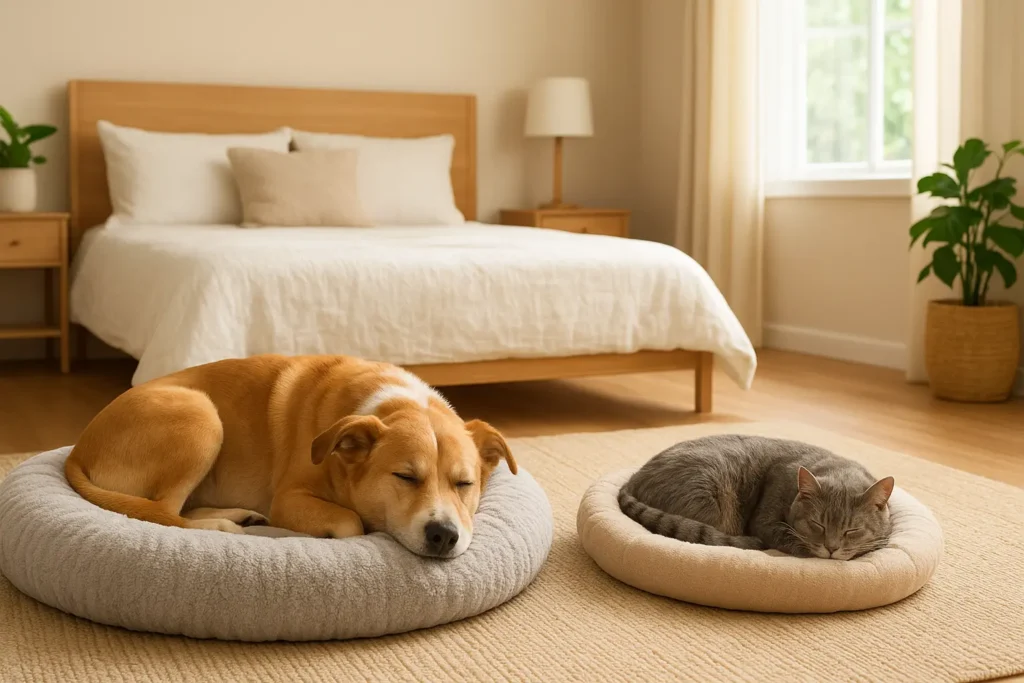
How Do You Choose the Best Bed Size for Your Pet? Choosing the Best Bed Size for Your Pet does not just involve selecting a pretty cushion on the shelf. Most pets sleep 12-16 hours a day, depending on their age and breed, and the selection of a Mattress not only affects comfort but also joint health, sleep quality, and overall well-being. Nevertheless, the worst blunder many pet owners make is buying an inappropriate sleeping space that is either too small or too big, or that fails to accommodate the pet, leaving him to spend many nights in pain and, in the long term, developing long-term pain. At PupzCorner, we believe that all pets deserve a comfortable place to sleep. This is how you can choose the most suitable sleeping size for your pet. Contact us now & let our team help you better understand your pet. Why Bed Size Matters First of all, it is worth knowing why the size of the Mattress is so essential. A small bed forces your pet to create contours, which strains the muscles and joints in the long run. It has also been found that pets with larger mattresses experience 25% less night-time restlessness than those with smaller Cots. On the other hand, pets, particularly cats and small dogs, may not feel safe and secure on a large mattress, which can affect sleep quality. The size of the Hammock is also a subject of joint health. Osteoarthritis affects about 20 percent of dogs over the age of one year, and orthopedic pet beds that support the whole body reduce stress on the hips, knees, and spine. Big dogs such as Labradors and German shepherds need mattresses that are 36 to 44 inches long so they can stretch, while older dogs need a low-pressure Mattress. The dog bed size chart cm allows easy movement. Step 1: Measuring Your Pet for a Bed The right Hammock choice depends on the correct measurements for your pet. Start by observing your pet in his usual sleeping position. The length is measured from the tip of the nose to the tail; the width across the body, in case the pet curls, should also be measured. More space is to be included thereafter: 6 inches for small pets and 12 inches for big breeds. An example of this is that a medium-sized Beagle (28 inches nose to tail) is most comfortable on a Cot at least 36 inches long. Another larger cat, 18 inches, would also perform well in a 24-inch Hammock. Using measurements and providing an extra-comfy dog bed help ensure your pet grows and moves freely. Finally, compare your measurements (size) with the manufacturer’s sizing chart. It does not have a standard medium or large Hammock, so one should check it twice to ensure it fits. Step 2: Consider your pet’s sleeping patterns. Pets too possess their sleep habits, and one can select the form of Hammock based on this kind of behavior: Curlers: Pets that cuddle themselves at night time in a Cot with high edges, e.g., a donut Hammock, bolstered mattresses. Their edges imply that the security is to hold their head and necks. Explore PupzCorner’s Cozy Donut Hammock, perfect for curlers and anxious pets who love a sense of security. Stretchers: pets who like to stretch to their maximum size, like our flat-mattress-type Mattress, provide equally good support along the length of the body. Burrowers: Cave-style or hooded beds suit small dogs or cats who love to hide or nest under a blanket because they are cozy and make them feel hidden. Leaners and Nesters: Pets that like to lean against the wall or a piece of furniture would like supportive bolsters on the Mattress. It is these trends that ensure that your pet has adequate space, and not only that, but they are also safe and comfortable in their Mattress. Having pets that are secure during sleep will make them less stressed and more relaxed, which may be deemed healthy. Step 3: Know Your Pet Bed Sizes Despite the personalization of pets, size helps to start with: Cats: Cot will be taken 16 to 26 inches, based on the cat’s weight and length. Small dogs (ex, Chihuahua, Pomeranian): 18-24 inches long. Medium dogs (e.g., Beagle, French Bulldog): 2632 inches in length. Big dogs (e.g., Labrador, Golden Retriever): 36 -44 long. Extra-large dogs (e.g., Great Dane, Mastiffs): 44-54 inches or more in length are the Best dog beds for large dogs. These dimensions are provided so the pet can move and stretch in a space that is 20 to 30 percent above the pet’s body length. The average dog bed size chart by breed can be helpful to you; however, you must always trust your pet’s individual measurements. Step 4: Choosing the desired Bed Type. The size and type of Hammock are also essential. Several designs suit the different sleeping patterns and healthy needs: Donut or bolstered shaped: These are appropriate for curlers and nervous pets. They have edges that support the head up and make one feel secure. Flat or mattress style: Ideal for pets that enjoy stretching or experience joint pain, it provides even support for the entire body. Memory foam or orthopedic hammocks: Recommended for older pets or large breeds, as high-density foam reduces pressure points and enhances sleep quality. It has also been found that dogs in orthopedic beds exhibit a 30% reduction in discomfort-related behaviors compared to those in a regular padded Hammock. Cave or hooded form: Cave Cot is best to use when there is space and the burrower’s or pet’s temperature requirements are met. Not only will a good choice of type make the Mattress comfortable for your pet, but it will also help maintain proper posture and joint health. Step 5: Special Considerations. Pets have various needs and requirements according to age, health, and size: Puppies: They grow fast; therefore, a bigger