What Causes Slipped Discs in Dogs and How Are They Treated?
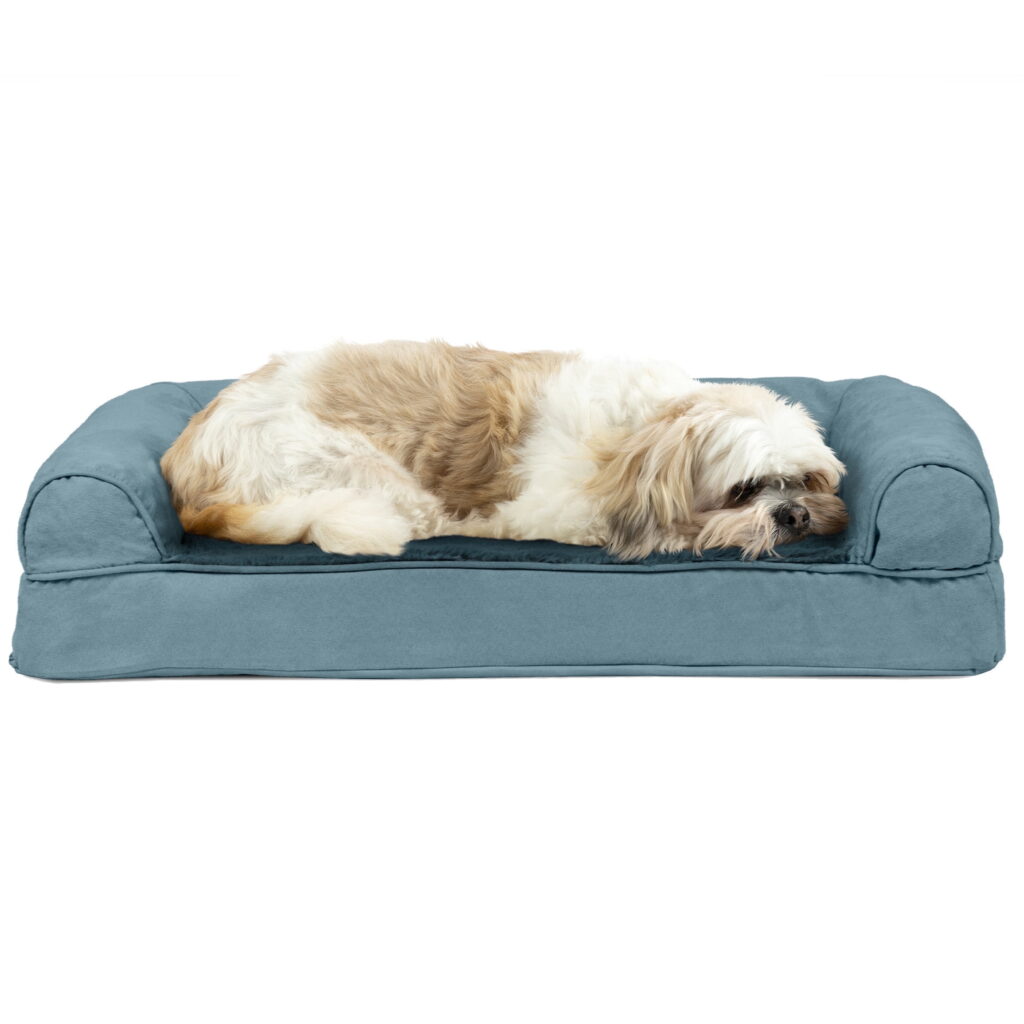
Slipped disc in dogs (also called intervertebral disc disease or IVDD) can be one of the most painful and frightening conditions for pet owners to witness. Your pup’s sudden howls of pain are enough to send a shiver down your spine. Getting the correct diagnosis and treatment for a slipped disc can feel overwhelming. “What did you do?” “How did this happen?” At the end of the day, all you want is for your dog to feel better, fast. Slipped discs in your beloved pup can be an incredibly distressing situation. You are afraid of the worst and hope for the best. In this guide, I provide all the information you need when dealing with a dog that has suffered a slipped disc. I cover everything, from the initial diagnosis to figuring out which treatments might be most beneficial throughout recovery. Armed with this knowledge, you can quickly get a diagnosis and treatment plan in place, so your pup can start to feel better again. To begin, let’s explore the basics of slipped discs. What Is The Mystery Of Slipped Discs In Dogs: Causes And Effects Source: Canva.com In medical terms, Intervertebral Disc Disease (IVDD), slipped discs occur when one of the discs between your pup’s spinal vertebrae slips out of its normal position and presses on its spinal nerves. Though the exact cause of this condition is not known, it is thought to be caused by an inherited genetic disorder that weakens the discs in your pup’s spine. It can also occur due to trauma or excessive jumping/running. Age and weight are also contributing factors, as older dogs and overweight dogs tend to be more affected by slipped discs. However, any dog can be affected by a slipped disc, regardless of age and weight. The effects of slipped discs in dogs can vary depending on the severity. Still, in general, they will experience pain and possibly paralysis if the disc is pressing on the spinal cord. In some cases, it could even lead to permanent neurological damage. For more help about which food you should give to your dogs, you can check our post on: Finding the Best Dog Foods on Amazon. With a complete understanding of the causes and outcomes of slipped discs, it’s time to uncover the signs and symptoms of disc slippage in dogs so that you can give your pet prompt care. Signs And Symptoms Of Slipped Discs In Dogs Source: yandex.com Keeping an eye out for signs that your pup might be suffering from a slipped disc is essential. The faster you can diagnose it, the quicker you can begin treatment and minimise any permanent damage. The signs and symptoms of a slipped disc vary depending on the severity, but here are some common ones to watch out for: Pain – Your pup may yelp or whimper when touched near their spine. Loss of appetite – Pain can cause your pup to lose its appetite. Unusual posture – Your pup may be trying to alleviate the pain by standing in an unusual position. Weakness or paralysis – If the disc is pressing on your pup’s nerves, they may experience weakness or even paralysis in their hind legs. Reluctance to move – Dogs with slipped discs may be reluctant to move because of the pain. Poor reflexes – If their nerves are affected, your pup may have slow or weak reflexes. Trembling – Pain and fear can cause your pup to tremble. Urinary incontinence – If the disc is pressing on their nerves, they may experience issues with bladder control. Shivering, shaking, and muscle spasms may also occur. These are the main signs and symptoms of a slipped disc in dogs, so if you notice any of these, it’s essential to take your pup to the vet immediately. A supportive environment, like providing a [Best Calming Dog Bed (Anxiety Comforting)], can ease your dog’s stress during recovery Diagnosing Dog Disc Slippage: What The Veterinarian Will Do Source: yandex.com Ah, the step to diagnose and cure this condition. It’s an essential step for both you and your pup, as not only will it rule out other conditions, but it will give the vet a clear picture of what is going on inside your pup’s body. Here is what the vet will do to diagnose your pup’s disc slippage: Physical Exam: Your vet will examine your pup and ask questions about their diet, exercise routine, and any other pertinent information. X-rays: During the physical exam, your vet may order X-rays to gain a better understanding of the disc slippage. MRI: The vet may perform an MRI to obtain a clearer view of the spinal cord and assess for any damage. Blood Tests: Blood tests can help the vet rule out other conditions, such as cancer and infection. Myelograms: Myelograms are a type of imaging test that can help the vet see if any disc material is pressing against the spinal cord. If you notice any of these signs or symptoms in your pup, don’t hesitate to take them to the vet immediately so they can receive a prompt diagnosis and care. Now that you have a good understanding of the symptoms, causes, and diagnoses associated with slipped discs in dogs, it’s time to check what treatments are available. What are the Effective Dog Slipped Disc Treatment Options? Source: Canva.com No one wants to see their puppy in pain, so luckily, there are various treatment options available for treating slipped discs in dogs. Depending on the severity of the disc slippage and the amount of nerve damage, your vet will determine which option is best for your pup. Pain Medication Your pup may be prescribed a pain reliever to help manage their discomfort. This can include anything from nonsteroidal anti-inflammatory drugs (NSAIDs) to corticosteroids. Anti-Inflammatory Drugs Common anti-inflammatory drugs prescribed for slipped discs are glucocorticoids like prednisone. These drugs help reduce inflammation and pain, but should only be given in short courses. Physical Therapy Your vet may recommend physical therapy