
Get Your Puppy To Stay: Effective Dog Training
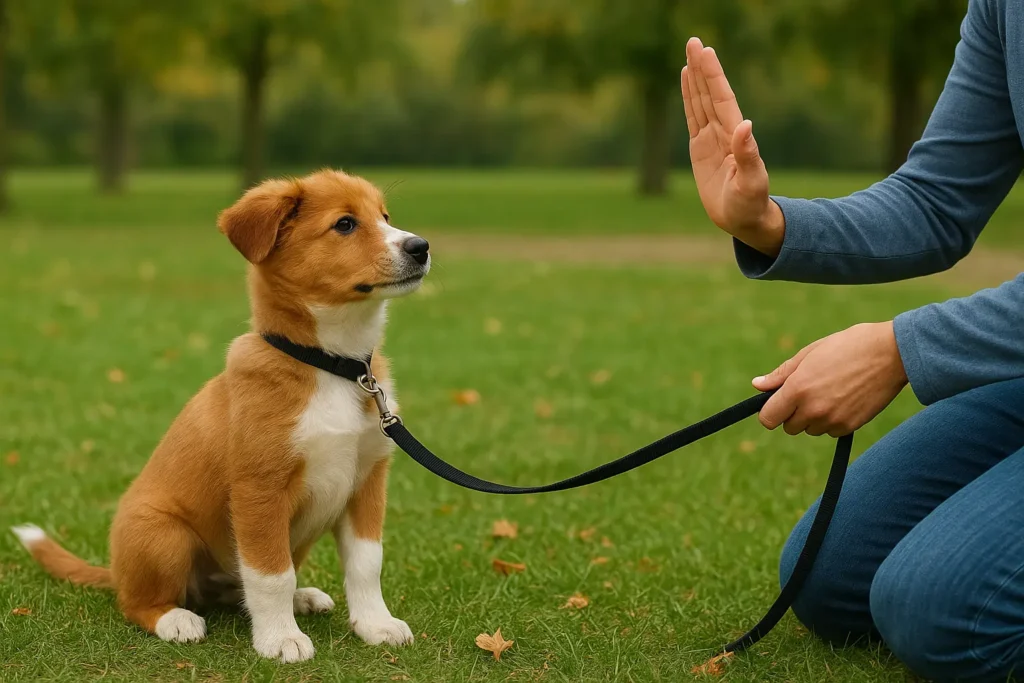
How Do You Train Your Puppy to Stay Effectively? Train Your Puppy to Stay is not easy. You see that there was a time when you had a puppy that waggled its tail and its eyes shone, and it was going to run away after a butterfly, or run to the front door when you opened it? Teaching your puppy to stay can be relatively easy, as it is one of the most effective obedience and safety training exercises. PupzCorner has no doubts about the excitement and fatigue that come with puppy training. It is not simply about discipline but also about the advancement of dialogue, patience, and trust between you and your little one, which is included in the stay command. We’ll walk you through it all, step by step: when to start, what to avoid, and how to handle those inevitable accidents when your pup cannot sit down. Join us as we guide you through how to train your puppy to stay, be safe, have fun, and be effective! Why Teaching the Stay Command Matters Although “stay” may not sound like a high-order command, it is one of the essential obedience skills your puppy will acquire. It plays a significant role in: Safety: Keep your puppy in control in the streets or other unsuitable areas. Discipline: This is what you can use to teach your dog patience and control impulsive behavior. Organizational: Eases the grooming, feeding, and walking. Bonding helps develop trust – your puppy learns to trust you. Socialization: This helps train your puppy not to panic around people or other pets. PupzCorner Observation: Puppies not only pick up commands but also learn from the tone and expression of their voice. One needs to stay positive and workable. When to Start Dog Behavior Training for Your Puppy to Stay The main question that everyone is curious about is when to start this, so here are a few key notes about it: Training begins at 8 to 12 weeks of age (however, old dogs can also be trained!). Keep the sessions to 5-10 minutes. When your puppy is not distracted, you should train him. You should focus on fun, consistency, and not perfection. Puppies cannot be trained without play, praise, patience, and encouragement. Puppy Training Tips for Beginners: Stay- Step-by-Step Guide. Ready to start? This is the step-by-step process of PupzCorner. Step 1 – Create the Perfect Training Area To create a quiet, distraction-free home environment, ensure there are no toys, television, or people present. Puppies learn faster when they can entirely focus on you. Keep sweets and a clicker (not obligatory). Establish a calm environment that doesn’t distract your pup. They will even feel safe on a light and smooth surface. The training area can be effectively set up with the help of a PupzCorner Removable washable cover seat, which is comfortable, washable, and facilitates the development of routine. Step 2 – Start Basic Puppy Commands Your dog should learn how to sit down and stay. Make your puppy sit, say the word, wait, and reward them. This preconditions your stay training, which creates a relaxed pose. Step 3 -Introduce the Word “Stay” When you have your puppy sitting, put your hand out like a stop sign. Say the word Stay in a monotonic, low but firm voice. Pause for 2–3 seconds. You must be ready to reward your puppy immediately when they remain still. If they move, don’t scold. Just reset and try again. Tip: Timing is key. You must never fail to reward your pup whenever it acts. Step 4 – Take One Step Back When your pup starts taking several seconds to stay, take a single step back. Repeat the reward in case they stay put. Repeat this process many times until your puppy understands that staying in the same place earns it a reward. This stage will help your dog understand distance and develop self-control. Step 5 – Slow Expansion of Space and Time Prolong the length and lengthen gradually. Stay for 5 seconds → 10 → 20 → 30 seconds. Take a step to the right of Room 2. You need to continue returning to your puppy to reward them. Patience is the saving of hastiness, deceives, or irritates. Step 6 – Add Real-Life Distractions Once you are perfect with your puppy, you can add a few obstacles, but not too many: Toss a toy nearby. Ask an individual to walk across the room. Whimper or open the door. Praise them by not focusing on the distraction. Suggestions: PupzCorner Puppy Training Treats are healthy and ideal for brief and recurring reward periods. Step 7 – Practice, Praise & Repeat or Reward-Based Dog Training The sessions are most suitable, being short and frequent, with 23 sessions a day, each lasting 5 minutes. You should always make the end of the session a good one, even though your puppy is only successful once. Celebrate progress! It is a long way to a smile of good stay, a cuddle. Once your puppy starts mastering basic commands like “stay,” it’s time to help them grow confident around people and other dogs. Read our guide on Socializing a New Puppy: Your Guide to a Well-Adjusted Dog to raise a happy, friendly, and well-behaved companion. Common Mistakes to Avoid Even parents who love their pets the most also make a few mistakes in training. The following are the ones to be careful about: Overtraining -Ironic puppies can be frustrated by very long sessions. The effectiveness of short and frequent sessions is more effective. Inconsistency -The problem of staying sometimes and not other times is confusing your puppy. Always follow through. Omission of basic commands – A pup should know how to sit before you learn how to stay. Punishment– Spanking is just a way of instilling fear. Instead, give praise to reasonable efforts and then re-initiate. Failure to use release words: You can always use a word like “okay” or “free” to let