


There is a tendency when attending to our furry friends to focus on food, grooming, training, and toys, but an aspect most pet parents overlook is pet oral hygiene. Pets, like humans, require proper dental care to maintain good health, activity, and happiness. Pets develop teeth problems gradually, not overnight, as they accumulate tartar, plaque, and gum disease. That’s why the best dental chews for your pet play a considerable role. Not only does this chew provide your pet with something to bite and have fun with, but it also reduces bad breath, minimizes plaque buildup, and makes tooth brushing as easy as child’s play.
Oral health is a neglected part of pet health, but it is one of the most significant. Research indicates that close to 80 percent of dogs and 70 percent of cats develop periodontal disease by the age of three. It suggests that a majority of pets are secretly dealing with teeth issues long before their owners suspect anything is off. Early warning signs include plaque, tartar, gum inflammation, and even bad breath.
For puppies, teething toys can also help ease discomfort while promoting proper chewing habits. Explore our Puppy Teething Toys to keep your little one healthy and happy.
We are dedicated to helping pet parents make brighter and healthier choices. Although this guide is about dental chews, we also believe in providing your pets with the comfort they need at all times in all areas of their life.
At PupzCorner, we believe every pet deserves healthy teeth and gums. That’s why choosing the best dental chews for your pet is essential. Contact us today and let our team help you select the perfect oral care solution for your furry friend. So, we can now turn our attention to how teeth are essential for your pet’s oral hygiene.
Why Pet Oral Hygiene Matters
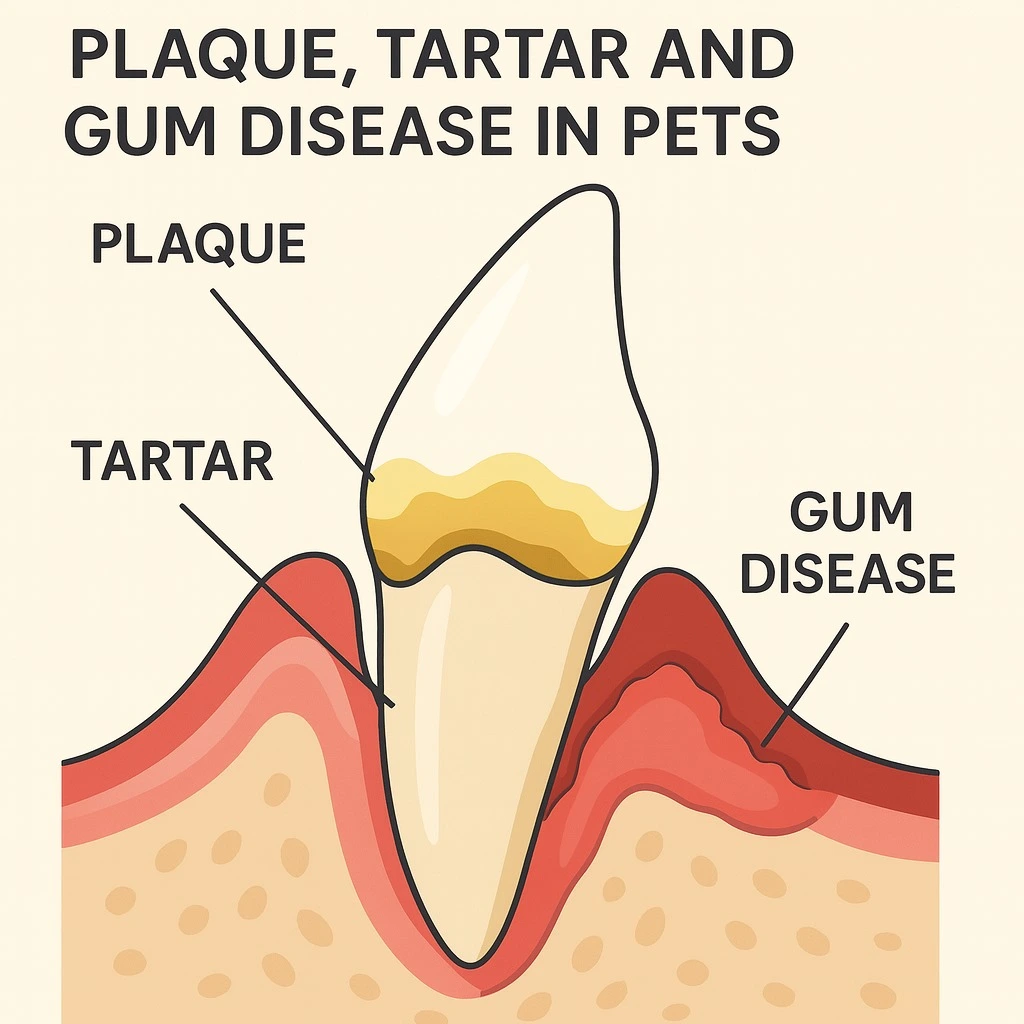
Dental disease is not only a mouth problem; it affects the whole body. Plaque accumulates within 24 hours and, if left untreated, hardens into tartar. This is frustrating to the gums, causing gingivitis and ultimately periodontal disease. Actually, the 2023 Banfield Pet Hospital report found teeth problems in 73 percent of dogs (64 percent of cats).
The untreated teethly illness may result in:
- Painful chewing
- Tooth loss
- Chronic inflammation
- Heightened bacterial burden, which could impact the heart, liver, and kidneys.
Research also indicates that up to 96% of dogs in old age have periodontal disease. This emphasizes the fact that pet dental care is not optional but a necessity.
The way VOHC Approved Dental Chews Work
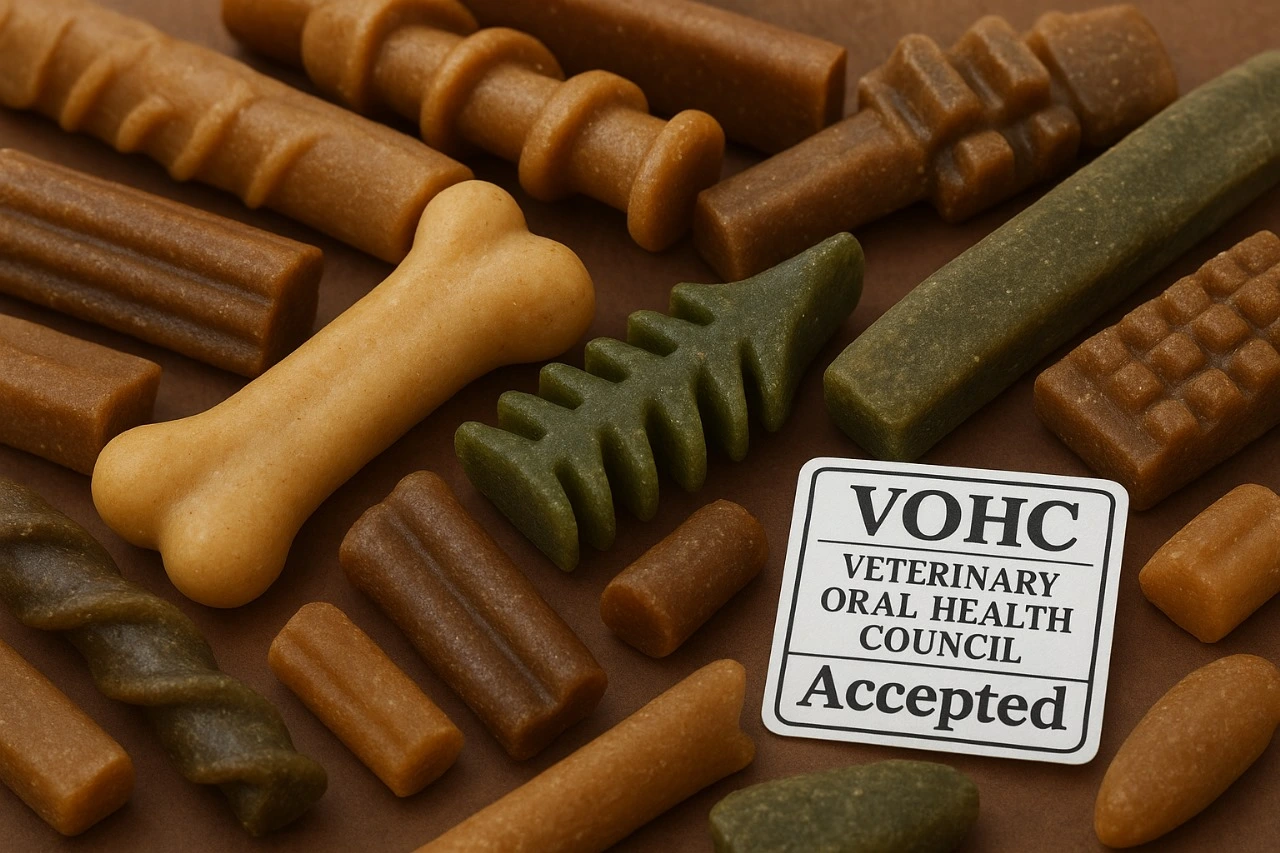
VOHC approved dental chews act using a combination of both mechanical and biological action. The product’s texture also facilitates the pet’s removal of plaque and soft tartar when chewing, helping reduce bacterial buildup. There are even more profound benefits that are identified in clinical studies. A controlled study found that dogs given a dental chew daily (only for 4 weeks) had much lower levels of plaque, calculus, and gingivitis. In another 60-day study, the tartar reduction was 26.6%, the plaque reduction was 14.2% and the bad breath reduction was nearly 47%.
Better still, there is current evidence that chewing promotes oral health by repositioning the mouth microbiome towards more stable microbes. Dogs treated with a particular microbiome-supporting chew after 28 days had higher gum scores and reduced sulfur compound levels in their bad breath. In other words, teethly chews are not mere treats; they are clinically endorsed pet teeth cleaning products.
What to Look for When Choosing Safe Dental Chews for Pets
Dental chews are not all the same. This is what the experts suggest to consider:
Clinical Evidence
Choose products with a track record or the VOHC (Veterinary Oral Health Council) seal, which is guaranteed to reduce plaque/tartar.
Texture & Shape
The grooves, ridges, or honeycombs are to enhance tooth contact and cleaning.
Safe Ingredients
Vegetable-based, high-quality natural chews are well-received and easier to digest.
Appropriate Hardness
Tough objects may crack teeth. Select chews that are appropriate for the bite of your pet.
Size & Chewing Behaviour
Different chew types are needed for small breeds, elderly pets, and heavy chewers to ensure safety and effectiveness.

Choosing the proper nutrition also supports teeth’s health. Check out our specially formulated Puppy Food for Healthy Teeth to strengthen gums and teeth from an early age.
The Benefits of Using Dental Chews Regularly
The teethly bites are not mere treats; they are a daily essential for maintaining your pet’s oral health. Used properly, they can improve your pet’s dental health.
Reduces Plaque and Tartar
Teethly bites would remove plaque and prevent it from hardening into tartar. Oral health in the long term and decreased chances of tooth decay and periodontal disease are supported by regular chewing.
Promotes Healthier Gums
Chewing stimulates saliva, which helps maintain a healthy balance of bacteria in the mouth and reduces inflammation in the gums, decreasing the risk of gingivitis.
Calms the Breath and Reduces Stress
Daily bites not only help control bad breath but also provide pets with a stress-free, enjoyable oral health routine. Teeth cleaning is less demanding on the joint efforts of a pet and its owner, as many pets prefer chewing to brushing.
Pair teethly bites with our Puppy Training Treats to encourage positive chewing habits and make oral care a fun daily routine.
What Dental Chews Can NOT Replace
Although teethly bites are a great aid to essential oral care, they cannot substitute for these practices. They cannot be regarded as an alternative to daily or weekly brushing, which remains the most effective method of cleaning teeth.

For puppies, using a gentle Puppy Dental Gel alongside bites can help establish a healthy oral care routine from the start.
Teethly bites also cannot replace professional cleanings that remove hardened tartar under the gumline, or regular veterinary check-ups that identify early disease onset. Instead, teethly bites are to be considered as an additional element of a fulfilled set of vet recommended pet dental chews, functional, practical, but not the whole solution.
Indications Your Pet Needs Additional Dental Care
Regular brushing and daily bites may not prevent dental problems in some pets, so they may need additional care. Persistent bad breath is one of the most common symptoms and may indicate plaque buildup or gum disease. Bloody, red, or swollen gums are also an indicator that your pet may be experiencing mouth issues or gingivitis. The presence of tartar, which presents itself as yellow or brown deposits on the teeth, is another obvious sign that more serious care may be required.
Also, pets that have problems with chewing, drop food during eating, or appear to have an aversion to specific foods may be in pain or have tooth sensitivity. It is crucial to notice these signs at the earliest stage, as if your pet receives veterinary care early enough, you may avoid more serious health problems and keep the pet in the most comfortable condition.
Safety and Effective Use Tips
The teethly bites are effective when used safely and regularly. They can be maximized with simple rules that keep your pet safe.
Supervise Chewing
Always be vigilant with your pet, particularly when giving him a new bite, lest they start choking or accidentally swallow large pieces.
Choose the Right Chew Size
Choose chews that are appropriate to your pet due to its breed, age, and style of chewing. Proper sizing will facilitate effective cleaning with minimal safety risks.
Apply Regularly and with Brushing
Consistency is key. Using chews daily is the best option, and combining them with brushing where possible is the best way to have a complete oral care routine. Eliminate tiny or fractured ones to avoid mishaps.
Obvious Faults Pet Owners Commit with Dental Chews
- Administering chews that are excessive or too tiny.
- Irregular chewing or total replacement of oral care.
- Negligence in terms of professional teeth checkups.
- Overeating causes excess calories.
Healthier Teeth Start With Smarter Choices
Having your pet’s teeth cleaned is not only about having nice breath, but also about preserving their health, comfort, and happiness as they grow older. Using high-quality, safe dental chews helps keep pets’ gums and teeth cleaner and allows them to live healthier lives. Minor daily routines, such as giving the correct bite, can help prevent big problems in your pet and maintain its playfulness and vigor.
PupzCorner will strive to make informed choices with pet parents. The right decisions, whether dental chews or overall oral health, will help reduce stress, maintain healthy gums, prevent tooth decay, and support the pet throughout their lifetime. Reach out to us anytime at pupzcornermail@gmail.com; our team is always happy to guide new pet parents.
FAQs about Best Dental Chews for Your Pet
What is the frequency of feeding my pet a dental chew?
The majority of studies show that the best results are achieved when chews are administered once a day. Plaque development can be prevented with consistency.
Are dental chews helpful in avoiding bad breath?
Yes. Several clinical trials indicate that volatile sulfur compounds, whose daily use is the primary cause of bad breath, are reduced significantly after the daily use of chews.
Will dental chews substitute for brushing?
No, however, they complement brushing well. Several owners who have difficulty brushing their teeth prefer chewing as a daily way to maintain their teeth.
Are natural or vegetable-based chews superior?
There is substantial clinical support for vegetable-based chews, which are more easily digested. The bottom line is to have the best chew that is effective, safe, and appropriate to your pet’s chewing style.