Indoor Cat Enrichment: 10 Simple Ideas to Keep Your Cat Happy and Healthy
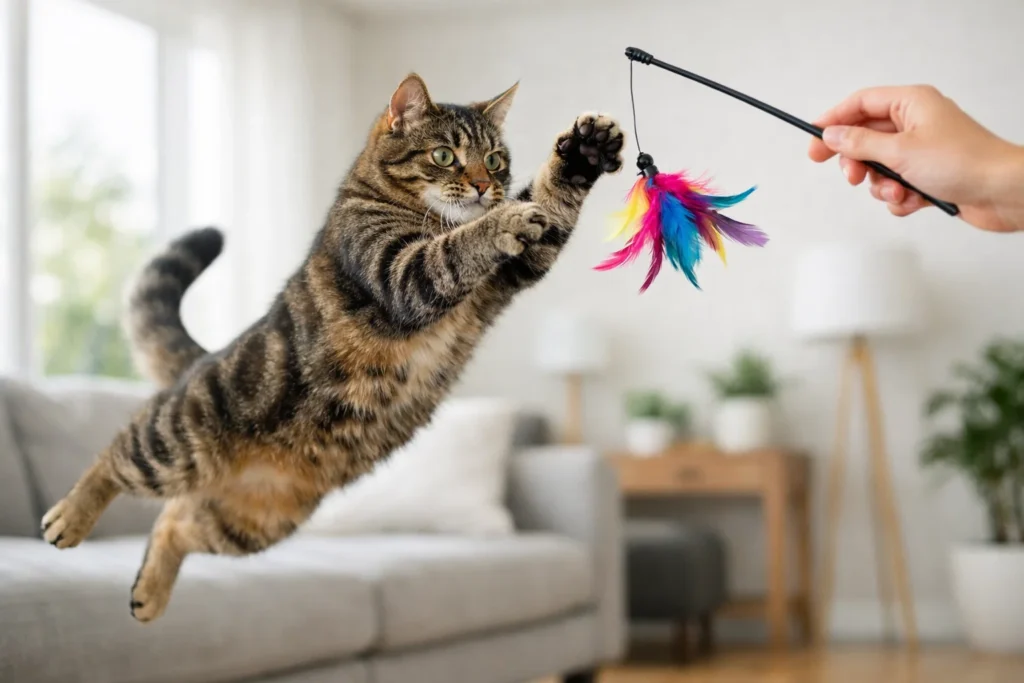
Indoor Cat Enrichment: 10 Simple Ideas to Keep Your Cat Happy and Healthy Most indoor cats spend between 16 and 20 hours a day resting. That leaves a few active hours where they need something to do. Without the right outlets, cats get bored, stressed, and sometimes destructive. Indoor cat enrichment is the practice of giving your cat meaningful activities and experiences that keep their body moving and their mind engaged. This guide covers what enrichment actually means for cats, why it matters, and 10 practical ideas you can start using today. Whether you have a young kitten or a senior cat, there is something here that will work for your living space. What Is Indoor Cat Enrichment and Why Does It Matter? Enrichment refers to any activity, object, or change in the environment that encourages a cat to use its natural instincts. Cats are natural hunters. They stalk, chase, pounce, and explore by instinct. When those drives have no outlet, cats often develop problem behaviors like excessive meowing, over-grooming, furniture scratching, or aggression. Studies from veterinary behaviorists confirm that boredom and understimulation are among the top causes of stress-related illness in indoor cats. This includes issues like feline idiopathic cystitis, a condition where stress directly triggers urinary problems. Enrichment is not a luxury. It is part of basic care. 10 Indoor Cat Enrichment Ideas That Actually Work 1. Interactive Wand Toys Wand toys with feathers or fabric tails are one of the most effective enrichment tools available. They let your cat hunt in a controlled way without any real prey involved. Aim for two 10 to 15 minute play sessions per day. Rotate toy types so your cat does not lose interest. The movement matters more than the toy itself. Drag the toy along the floor, flick it behind furniture, and let your cat catch it occasionally so they feel successful. 2. Window Perches and Bird Feeders Placing a sturdy perch near a window gives your cat visual stimulation for hours. Set up a bird feeder or bird bath outside that window and the effect doubles. Cats will watch birds and squirrels with intense focus. This is sometimes called cat TV. It requires almost no effort on your part but delivers real mental engagement for your cat. 3. Puzzle Feeders and Food Toys Instead of placing food in a bowl, try making your cat work for it. Puzzle feeders are containers with holes or compartments that require your cat to bat, roll, or paw at food to release it. This slows eating, reduces overeating, and gives your cat a mental challenge with every meal. You can buy purpose-built puzzle feeders or make simple versions from muffin tins and tennis balls. 4. Cat Trees and Vertical Spaces Cats feel safer when they can see their territory from above. A tall cat tree placed near a window or in a busy room gives your cat a safe high spot to observe. Multi-level trees also encourage climbing, which is good exercise. If you have limited space, wall-mounted shelves arranged in a staircase pattern work just as well. 5. Scent Enrichment Scent is one of the most underused tools in cat enrichment. Try rubbing a paper bag with dried herbs like valerian, silver vine, or catnip. You can also place a few drops of diluted essential oils safe for cats on a cloth and let your cat investigate it. Rotating scents prevents habituation. A new smell creates a mini investigation session for your cat, which is mentally stimulating and calming at the same time. 6. Cardboard Boxes and Paper Bags You do not need to spend money to enrich your cat. An empty cardboard box or a paper shopping bag with the handles removed will entertain most cats for a solid stretch of time. Cats love to hide, ambush, and scratch cardboard surfaces. Leave a few boxes open in different rooms and let your cat choose when and how to use them. Replace them when they get worn down. 7. Leash Training for Outdoor Walks Some cats adapt well to walking on a harness and leash. Outdoor time, even brief, exposes them to fresh air, natural smells, and sights that no indoor setup can fully replicate. Start harness training slowly and only move to outdoor walks once your cat is completely relaxed indoors with the harness on. Not every cat will accept this, and that is fine. But for cats that do, it becomes a regular highlight of their day. 8. DIY Foraging Activities Hide small portions of your cat’s dry food around the house before a meal. Let them sniff it out across a few rooms. This mirrors the foraging behavior cats would use in the wild. It adds movement and mental engagement to a daily activity that is usually passive. You can make this harder or easier depending on how food motivated your cat is. 9. Cat-Safe Plants Adding cat-safe plants to your home gives your cat something living to interact with. Cat grass, spider plants, and catnip are popular options. Cats will sniff, bat, and sometimes chew on plants. Always verify safety before placing any plant near your cat, as many common houseplants are toxic. The ASPCA maintains a comprehensive list of safe and toxic plants you can use as a reference. 10. Social and Training Enrichment Cats can learn. Short, positive training sessions using treats teach your cat to sit, high five, or come when called. Training sessions last only two to three minutes but deliver strong mental stimulation. The interaction itself also builds your bond and gives your cat a structured activity. This type of enrichment is especially useful for young, energetic cats who need more than physical play. Signs Your Cat Needs More Enrichment Watch for these behaviors as signals that your cat needs more mental and physical activity. Excessive vocalization at odd hours Over-grooming or bald patches from licking Destructive scratching on furniture Sudden aggression toward people or other pets Lethargy or weight gain without
Cat Grooming Tips: A Complete At-Home Guide for Pet Owners
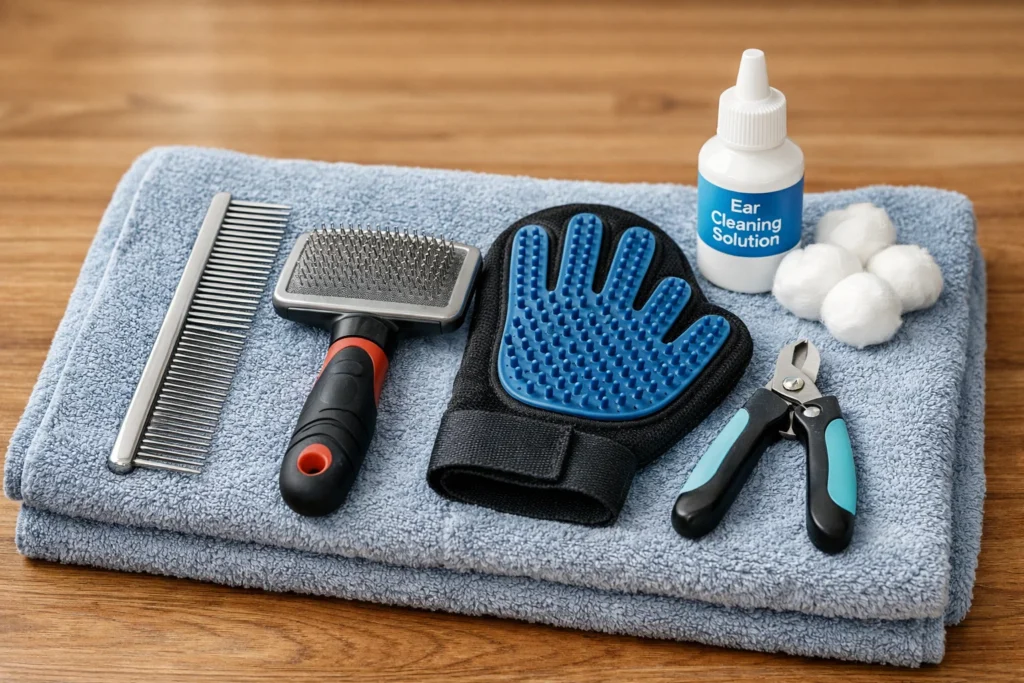
Cat Grooming Tips: A Complete At-Home Guide for Pet Owners Cats are known for being clean animals. They spend a good part of their day licking their fur and keeping themselves tidy. But self-grooming only goes so far. A regular grooming routine from you as the owner makes a real difference to your cat’s coat health, skin condition, and overall comfort. The good news is that cat grooming tips are not complicated to follow. With the right tools and a calm approach, you can handle most grooming tasks at home without needing a professional salon every month. This guide covers everything you need to know, from brushing and bathing to nail trimming and ear cleaning. Why Regular Cat Grooming Matters Many cat owners skip grooming because their cat seems to manage on its own. That works to a point, but it overlooks several important benefits that regular grooming provides. First, brushing removes loose fur before your cat can swallow it. Cats that groom themselves swallow a lot of hair, which can form hairballs in the stomach. Hairballs are uncomfortable and can sometimes cause blockages. Regular brushing reduces how much fur your cat ingests during self-cleaning. Second, grooming gives you the chance to check your cat’s body up close. You will notice lumps, scratches, skin irritation, fleas, or any changes that need a vet’s attention early on. This kind of hands-on check is something a quick pat on the head simply does not provide. Third, grooming builds a bond between you and your cat. Cats that are handled gently from a young age become more relaxed and trusting over time. Grooming can become a quiet ritual both of you look forward to as part of the week. How to Brush Your Cat the Right Way Brushing is the foundation of any cat grooming routine. How often you brush depends on your cat’s coat type. Short-Haired Cats Short-haired cats generally need brushing once or twice a week. A rubber grooming mitt or a soft bristle brush works well for these cats. Run the brush in the direction of the fur growth, starting from the head and moving toward the tail. Pay extra attention to the area around the neck and behind the ears, where tangles can quietly develop. Long-Haired Cats Long-haired breeds like Maine Coons, Persians, and Ragdolls need daily brushing to prevent tangles and mats from forming. Use a wide-tooth comb first to work through any knots, then follow with a slicker brush to smooth the coat. Never yank through a mat. Instead, hold the base of the fur and work through the knot slowly from the tip upward, a little at a time. If a mat is too tight to brush out, use blunt-tipped scissors or a mat splitter. Serious matting may require a professional groomer, especially if it covers a large area or sits close to the skin. Essential Cat Grooming Tools Every Owner Should Have You do not need a huge collection of products to groom your cat well. A few good-quality tools cover most of what you need day to day. Slicker Brush: Good for removing loose fur from medium to long coats. The fine wire bristles reach through the top coat to the undercoat where shedding hair collects. Wide-Tooth Comb: Ideal for detangling before brushing. Works especially well on longer fur and around sensitive areas like the belly and legs. Rubber Grooming Mitt: A gentle option for short-haired cats or cats that are sensitive to traditional brushes. It fits over your hand and mimics a natural petting motion. Cat Nail Clippers: Specially designed clippers with a curved blade are safer and more precise than scissors or human nail clippers. Ear Cleaning Solution: A vet-approved solution used with cotton balls is all you need for routine ear care at home. Cat-Specific Shampoo: If you bathe your cat, always use a shampoo formulated for cats. Human shampoo disrupts the natural pH balance of cat skin and can cause irritation. You can find a solid selection of quality grooming accessories at PupzCorner’s pet shop, where products are chosen with pet safety and everyday practicality in mind. Trimming Your Cat’s Nails Without the Stress Nail trimming is the task cat owners tend to avoid most. With a little preparation and patience, it becomes much more manageable. Start by getting your cat comfortable with having its paws touched. Do this gradually over several short sessions before you attempt any trimming. Gently hold the paw, press the pad to extend the nail, and let go. Offer a small treat afterward. Repeat this a few times each day until your cat no longer pulls away reflexively. When you are ready to trim, hold the cat in your lap or have someone else gently hold the cat while you work. Extend one nail at a time. You will see a clear section of the nail and a pink area inside called the quick. Only cut the clear tip, staying well away from the quick. Cutting into the quick causes pain and bleeding. Trim one or two nails per session at first if your cat becomes restless. Over time, most cats learn to tolerate a full trim in one sitting. Keeping Your Cat’s Ears Clean and Healthy Healthy cat ears are light pink on the inside and have no strong smell. You only need to clean them when you notice dark debris, mild odor, or visible dirt building up near the opening. Apply a few drops of vet-approved ear cleaning solution to a cotton ball. Gently wipe the visible inner parts of the ear, staying within the area you can see clearly. Never push anything down into the ear canal. If you notice very dark or crumbly debris or a strong unpleasant smell, this can indicate ear mites or infection. A vet visit is the right call in that case rather than home cleaning. Checking your cat’s ears once a week as part of your grooming routine means you catch any problems early
Best Dog Toys for Aggressive Chewers (2026): Indestructible Picks That Actually Last
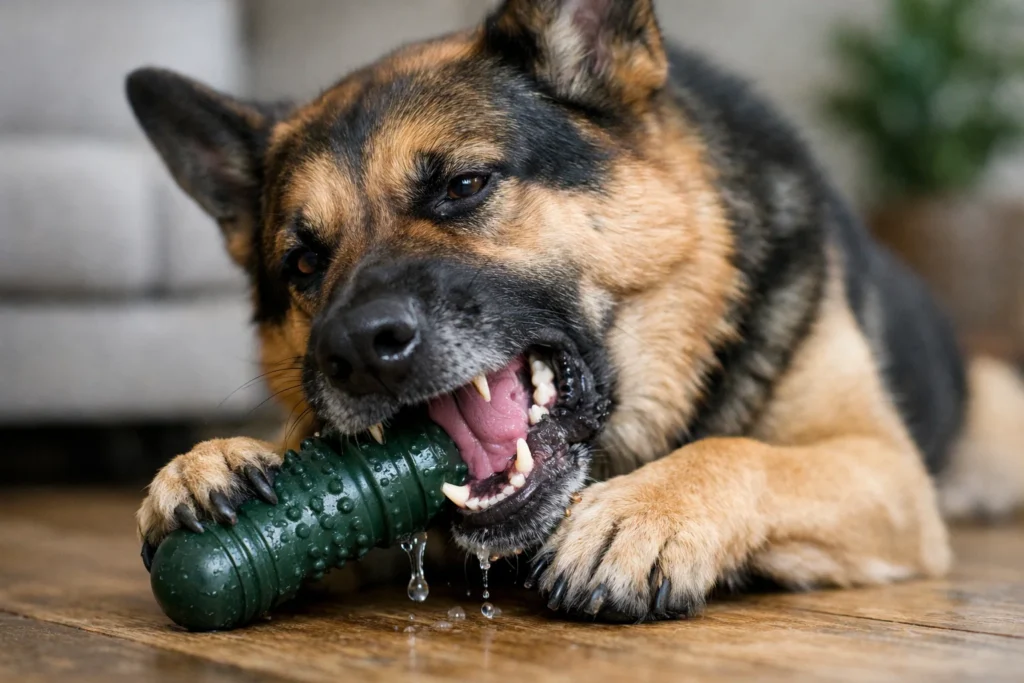
Best Dog Toys for Aggressive Chewers (2026): Indestructible Picks That Actually Last You buy a new toy. Your dog destroys it by lunch. Sound familiar? If you share your home with a power chewer, you already know that most pet store toys are not built for your dog. Flimsy squeakers get gutted in seconds, stuffed animals become piles of fluff, and those bright rubber rings last about as long as a wet paper bag. The good news is a new wave of genuinely tough, vet-approved dog toys for aggressive chewers has changed the game. These are toys built from military-grade nylon, thick natural rubber, and tightly braided cotton rope that can handle even the most relentless jaws. This guide breaks down exactly what to look for, which materials actually hold up, and why the right toy is not just about fun but also about your dog’s dental health and safety. Quick Answer: The best dog toys for aggressive chewers are made from thick natural rubber, high-density nylon, or heavy-duty braided cotton rope. Always size up and supervise the first few play sessions. Why Most Dog Toys Fail Aggressive Chewers Most toys on the market are designed for average chewers, not the subset of dogs who treat every object as a personal challenge. Breeds like German Shepherds, Pit Bulls, Rottweilers, Huskies, and Labrador Retrievers can generate bite forces that shred materials not specifically designed for high-pressure chewing. There are three common failure points: Thin walls: Hollow toys with thin rubber walls cave within minutes under strong jaw pressure. Poor seams: Stuffed animals and plush toys rely on stitching that unravels fast, creating a choking hazard from the stuffing inside. Wrong material grade: Soft vinyl and TPR plastics are fine for gentle chewers but simply cannot withstand 200+ pounds per square inch of bite force. The danger is not just wasted money. Swallowed toy pieces, especially synthetic stuffing and small rubber chunks, can cause gastrointestinal blockages that sometimes require emergency surgery. Choosing the right toy from the start protects both your wallet and your dog. What to Look for in Chew Toys for Aggressive Chewers Material Matters Most Not all “tough” labels are equal. Here is a quick breakdown of the best materials and what they are good for: Natural rubber: The gold standard for fetch and solo chewing. Thick, flexible, and bouncy. Great for stuffing with treats to keep dogs mentally engaged. High-density nylon: Best for dedicated chewers who want something solid to work on. Nylon bones last much longer than edible chews but are not digestible, so monitoring is essential. Braided cotton rope: Excellent for tug-of-war and interactive play. Heavy-duty rope toys also help clean teeth and massage gums as the dog chews. Look for tight, thick braids, not thin twisted rope. Reinforced plush: Some modern stuffed toys include a durable inner liner that holds even if the outer layer tears. These offer comfort without the dangerous stuffing risk. Size and Chew Level Rating Always buy based on your dog’s weight and chew intensity, not their breed name alone. A toy rated for dogs up to 50 lbs might last months for a gentle Lab but days for an intense Staffordshire Bull Terrier of the same weight. Most quality brands rate their products as light, moderate, or power chewer. When in doubt, go one size larger than recommended. No Stuffing vs. Stuffed Toys Stuffing-free toys have surged in popularity precisely because aggressive chewers inevitably reach the inside of any stuffed toy. With no stuffing inside, there is nothing dangerous to ingest. Many owners of heavy chewers exclusively choose no-stuffing options for peace of mind. Rope Toys: A Surprising Winner for Aggressive Chewers Many dog owners underestimate rope toys, assuming they will fray quickly. Heavy-duty rope toys made from thick, tightly twisted or braided cotton are among the most durable options available for strong chewers, and they offer a bonus most hard toys cannot: dental benefits. As dogs chew on rope fibers, the strands act like natural floss, getting between teeth and along the gumline. This can reduce plaque buildup and improve gum health over time, which is a real benefit given that dental disease affects the majority of dogs over age three. The key word is heavy-duty. Rope toys with five thick knots and a 3-foot length hold up far better than smaller knotted versions. Multi-strand braids are also significantly more durable than single twisted strands. If you want an interactive option that doubles as a workout for both you and your dog, a tough tug-of-war rope toy is hard to beat. PupzCorner carries a wide selection of tough rope toys built for aggressive chewers, including 3-foot, 5-knot cotton options that have held up against even the most determined dogs. Nylon Chew Toys: Long-Lasting Solo Entertainment When your dog needs something to work on independently, a flavored nylon chew bone is one of the most practical solutions available. Unlike edible chews that disappear in minutes, a quality nylon bone can last weeks or even months. The flavoring infused into the nylon (bacon, chicken, peanut butter) keeps dogs engaged without adding significant calories. The key safety rule with nylon toys: replace them when they become small enough to swallow. As the toy wears down over time, it can develop pointed ends or reach a size where it could become a choking hazard. A quick weekly inspection keeps things safe. Vet Tip: Nylon chew toys are not digestible. If your dog ever manages to break off a large chunk rather than gradual wear, remove the toy immediately and consult your vet if you think a piece was swallowed. Treat-Dispensing Toys: Combining Mental Stimulation with Chewing Aggressive chewing is sometimes driven not by the need to destroy but by boredom. Dogs that do not get enough mental stimulation will find ways to channel that energy, and toys are the least destructive option. Treat-dispensing puzzle toys kill two birds with one stone. They satisfy the chewing urge while requiring dogs to problem-solve to